BESS for Businesses: Commercial Energy Storage Solutions
Optimizing Peak Shaving
Peak shaving refers to reducing electricity usage during high-demand periods. Commercial energy storage systems enable this by using stored energy instead of grid power during peak hours, which reduces demand charges from utilities.
Demand Charge Reduction
In many regions, electricity pricing is based not only on consumption but also on peak usage rates. A robust commercial energy storage system helps minimize these costs by intelligently managing when and how energy is used.
The Role of Containerized Battery Storage
Portability and Deployment Speed
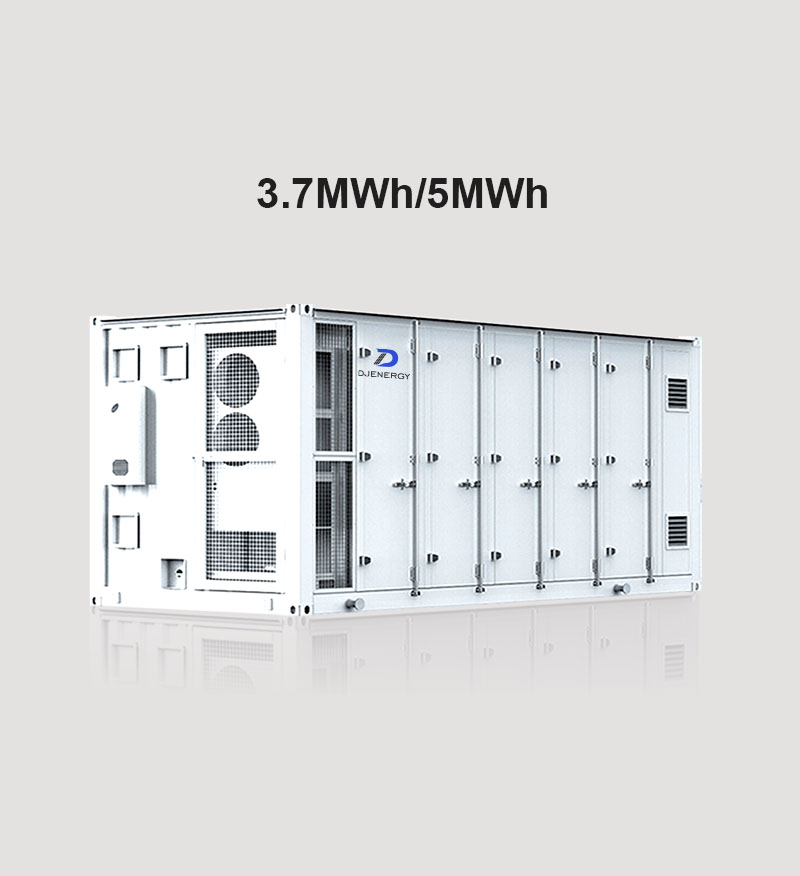
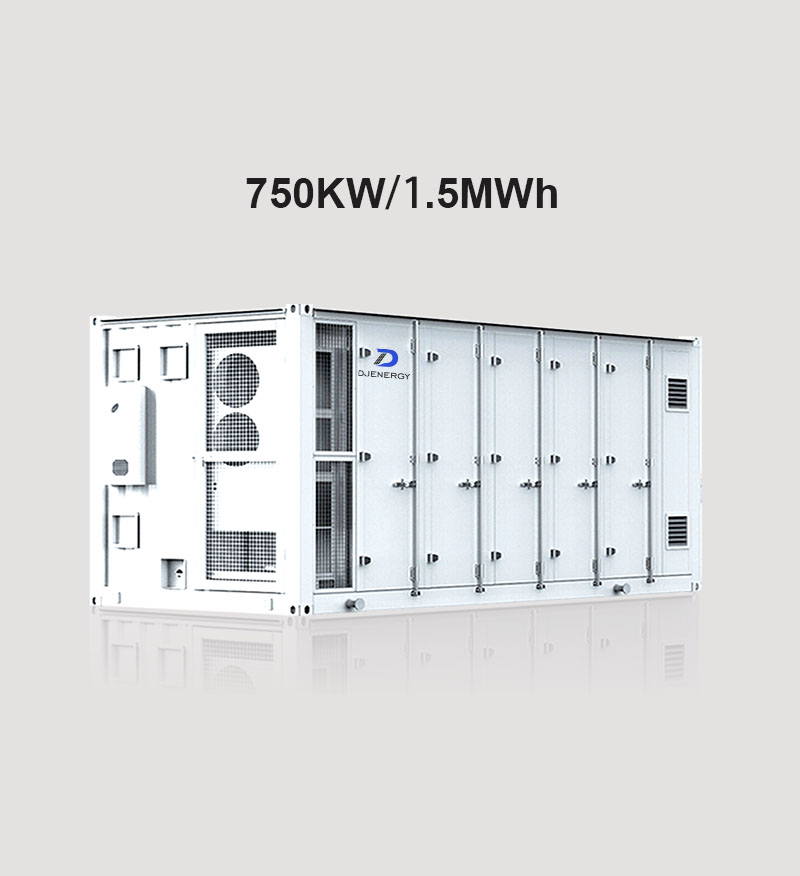
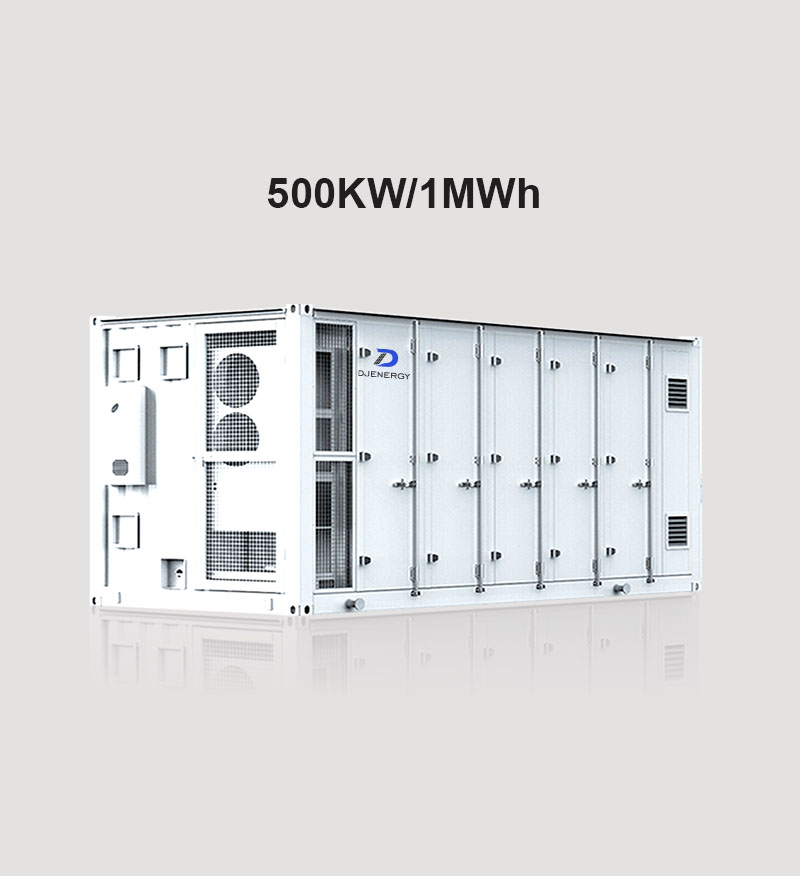
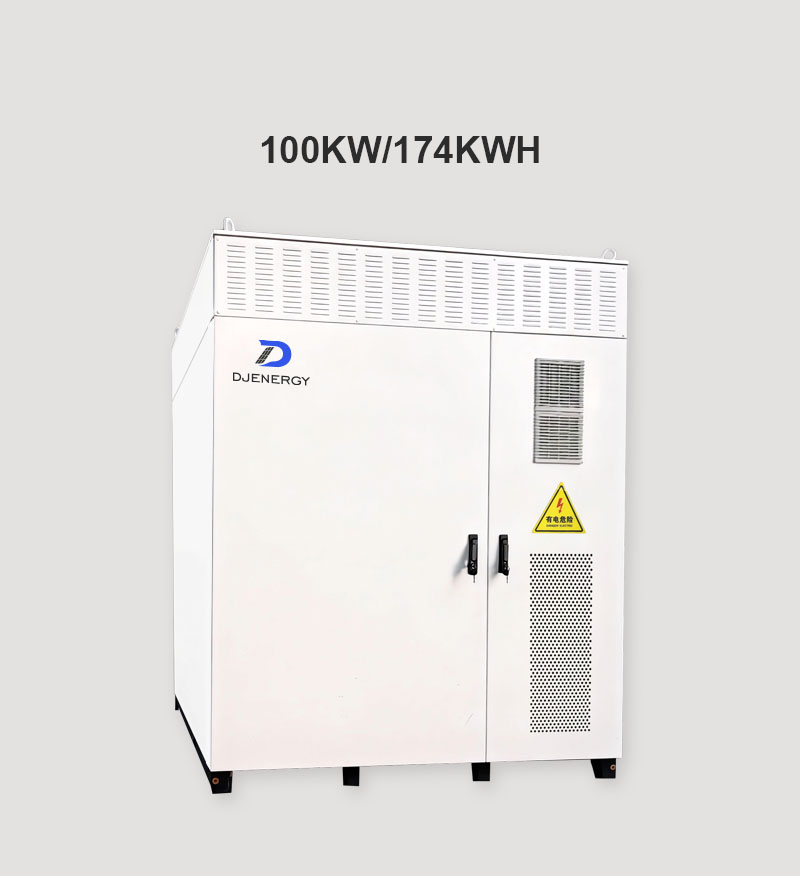
Containerized battery storage units are preassembled, enclosed systems housed in weatherproof containers. These plug-and-play solutions can be quickly deployed anywhere, making them ideal for remote or temporary locations.
Maintenance and Space Optimization
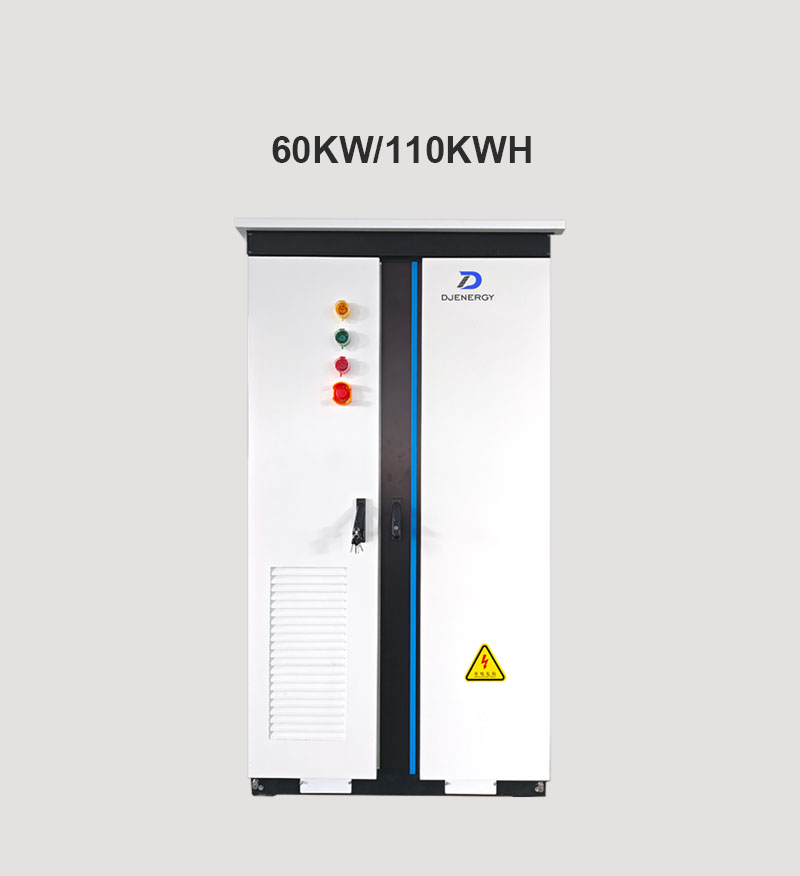
Designed for minimal maintenance, these systems are compact and space-efficient. They require fewer civil works and can be stacked or relocated as needed—perfect for fast-paced commercial projects.
Industrial Battery Storage: Meeting High-Demand Needs
Large-Scale Applications
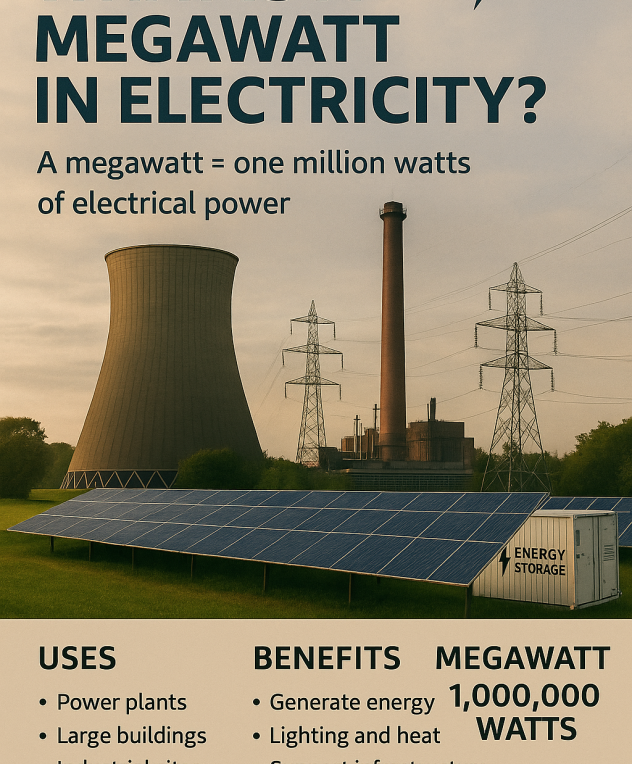
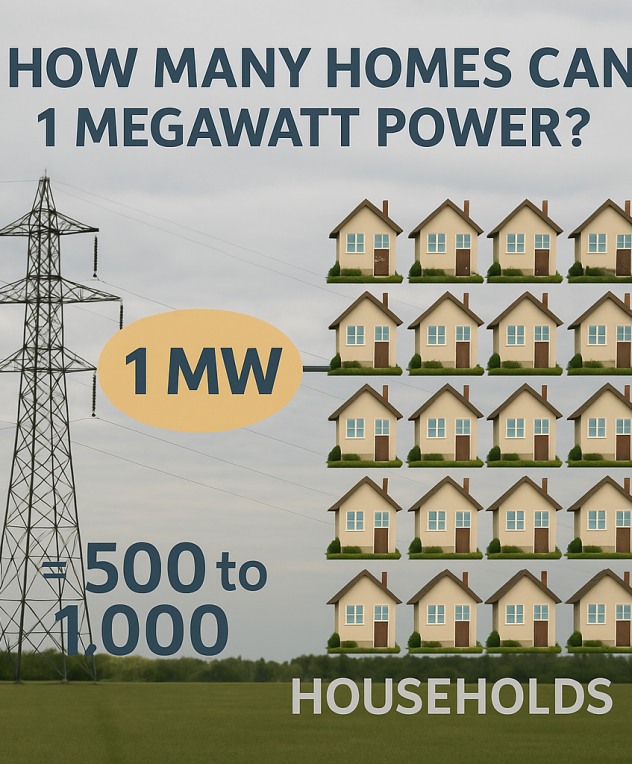
In sectors like manufacturing, logistics, mining, and oil & gas, energy demands are colossal. Industrial battery storage systems offer a solution by handling large volumes of electricity, ensuring continuous operations even during outages or grid instability. These systems are capable of managing megawatt-level loads, making them ideal for industrial giants.
Load Balancing and Reliability
By storing excess energy during low-demand periods and discharging during peaks, industrial BESS storage helps balance loads and reduce strain on infrastructure. The result is a more reliable power supply with fewer fluctuations, helping prevent equipment damage and improving productivity.
Energy Independence Through BESS Storage
Reduced Reliance on Grid
With a BESS in place, facilities can become more energy-independent. During times of high utility rates or grid unreliability, stored energy can be used instead. This is particularly valuable in rural or remote areas where grid access is limited or prone to failure.
Emergency Backup Capabilities
In emergencies, a BESS system acts like a safety net. It instantly takes over during outages, keeping critical systems—like hospital equipment, servers, or security systems—running until the main supply is restored.
Enhancing Renewable Energy with BESS Energy
Smoothing Out Intermittency
Renewables like solar and wind are inherently variable. When the sun isn’t shining or the wind isn’t blowing, power output dips. BESS energy systems store the surplus during active periods and release it during lulls, ensuring a steady, reliable energy flow.
Day-to-Night Load Shifting
With BESS energy, solar power captured during the day can be used at night. This ability to shift energy usage increases the value of renewable installations and supports a cleaner, greener grid.
BESS Energy and Environmental Impact
Lower Emissions and Cleaner Power
Switching to BESS storage helps reduce reliance on fossil fuels. By maximizing renewable usage and minimizing inefficient peak generators, BESS systems significantly cut greenhouse gas emissions.
Lifecycle and Recycling Considerations
Today’s leading battery energy storage systems are built with sustainability in mind. From recyclable lithium-ion cells to systems designed for second-life battery reuse, the BESS industry is committed to environmental responsibility.
Technological Innovations Driving BESS Growth
AI and Smart Monitoring
Modern BESS systems are powered by AI and real-time analytics. These tools help optimize charging cycles, forecast demand, and automate grid interactions, making storage systems more efficient and self-regulating.
Next-Gen Battery Chemistry
Beyond lithium-ion, newer chemistries like solid-state, flow batteries, and sodium-ion are emerging. These innovations promise higher capacity, improved safety, and longer life spans for future electricity storage solutions.
Commercial Energy Storage Systems vs. Traditional Power Solutions
Efficiency and Control
Unlike diesel generators or traditional grid reliance, commercial energy storage systems offer cleaner energy with precision control. They respond instantly to demand and can be programmed to operate under custom load profiles.
ROI and Future-Proofing
BESS provides a tangible return on investment by reducing utility costs, boosting energy efficiency, and qualifying for green energy incentives. As energy regulations evolve, having a storage system ensures compliance and competitiveness.
Regulations and Incentives for BESS Storage Adoption
Government Support and Tax Benefits
Many governments offer subsidies, grants, or tax credits for businesses that adopt BESS storage solutions. Programs like the U.S. Investment Tax Credit (ITC) can cover a significant portion of installation costs.
Global Adoption Trends
Countries around the world are embracing BESS energy. From Germany’s Energiewende to Australia’s grid modernization, these systems are a cornerstone of national energy strategies.
Challenges and Limitations of BESS Systems
Battery Degradation Over Time
While BESS systems are built to last, they do degrade slowly. Performance may decline over 10-15 years, especially under high usage. Choosing quality systems and proper thermal management helps mitigate this.
Initial Investment and Installation
Despite dropping costs, the initial capital for BESS can be steep. However, when viewed as a long-term asset, the payback period and total savings make it a justifiable and strategic investment.
Future Outlook of Battery Energy Storage
Market Trends
Analysts project that global BESS capacity will grow exponentially in the coming decade. Growth is fueled by declining battery costs, stricter emissions policies, and increasing grid modernization.
Innovations and New Applications
The future of BESS energy lies in hybrid systems (e.g., solar + storage), vehicle-to-grid integration, and community-scale microgrids. These emerging applications will unlock even more value for users and providers alike.
Choosing the Right BESS for Your Needs
Vendor Evaluation Criteria
When selecting a BESS system, consider vendor experience, system reliability, warranty, software features, and post-sale support. Opt for solutions that offer flexibility and compatibility with your existing infrastructure.
Sizing and System Design
System size should match your peak load, desired autonomy, and budget. Work with experts to model your usage patterns and simulate real-world scenarios before making a final decision.
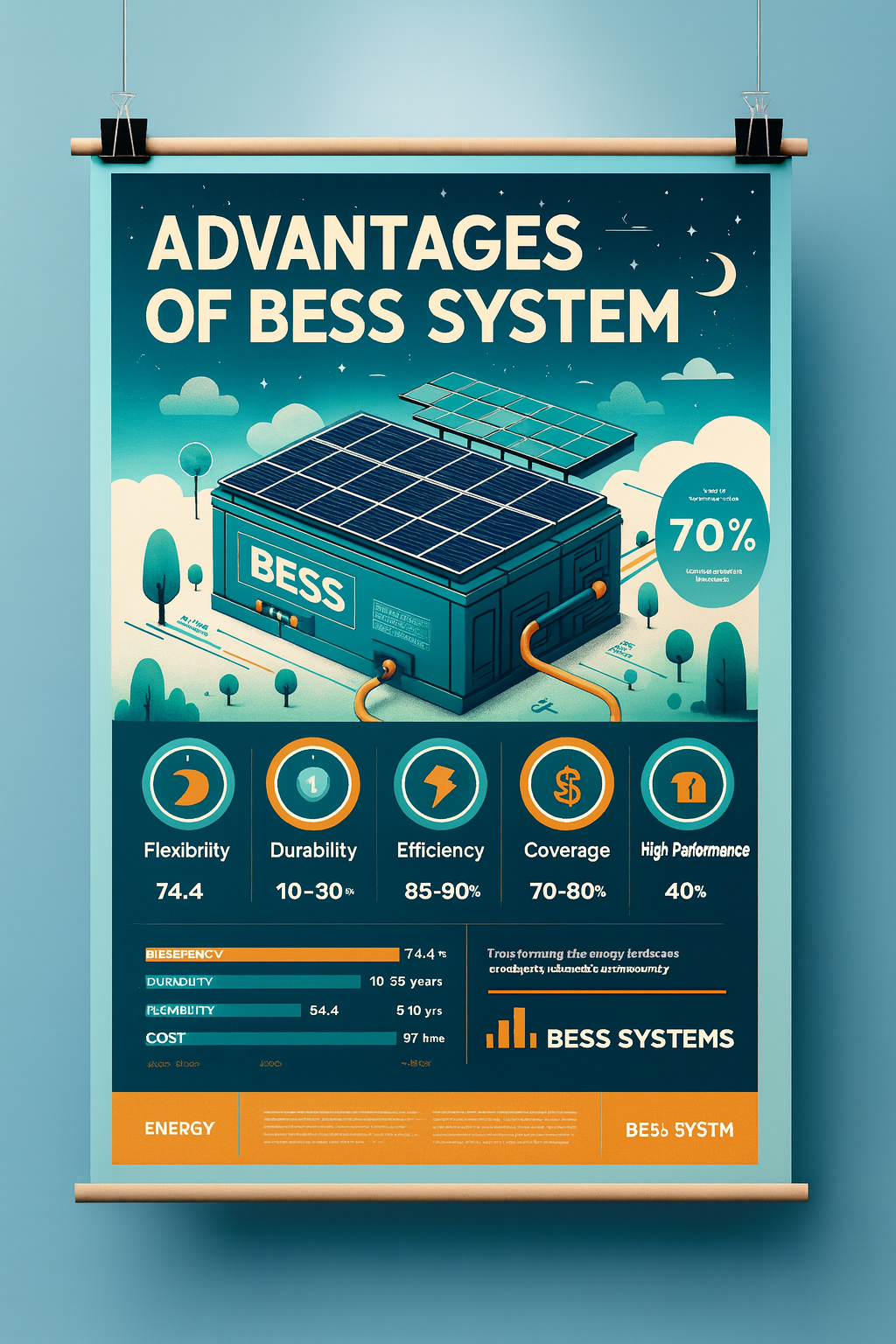
The advantages of BESS system technology are clear: reduced costs, energy independence, cleaner power, and operational resilience. With scalable, modular, and increasingly affordable BESS systems, businesses and industries now have the tools to control their energy like never before.
Whether you’re aiming for sustainability, reliability, or efficiency, BESS energy is the path forward. It’s not just an upgrade—it’s a transformation.