Typical Solar System Sizes and What They Power
3–4 kW System
- Small homes or condos
- 8–10 panels
- Covers 50–70% of average usage
5–6 kW System
- Average 1,500–2,000 sq. ft. home
- 13–16 panels
- Covers 80–100% of needs
7–10+ kW System
- Larger homes or those with EVs
- 18–25+ panels
- Full coverage with extra capacity
Real-World Examples by Home Size
Example 1: 1,200 Sq. Ft. Home in Florida
- Monthly usage: 700 kWh
- Sun hours/day: 5.5
- System size: ~5 kW
- Panels: 12–14
Example 2: 2,500 Sq. Ft. Home in California
- Monthly usage: 1,100 kWh
- Sun hours/day: 6.0
- System size: ~8 kW
- Panels: 20
Example 3: 3,000 Sq. Ft. Home in New York (with EV)
- Monthly usage: 1,500 kWh
- Sun hours/day: 4.5
- System size: ~11 kW
- Panels: 28+
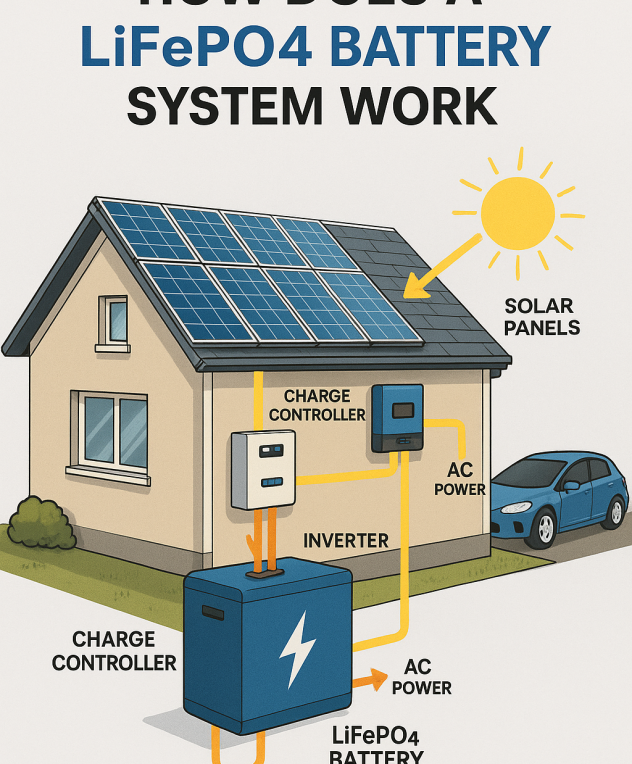
How Solar Battery Storage Affects System Size
Adding solar battery storage increases your system size requirements. Here’s why:
- You need more energy to charge the battery during the day
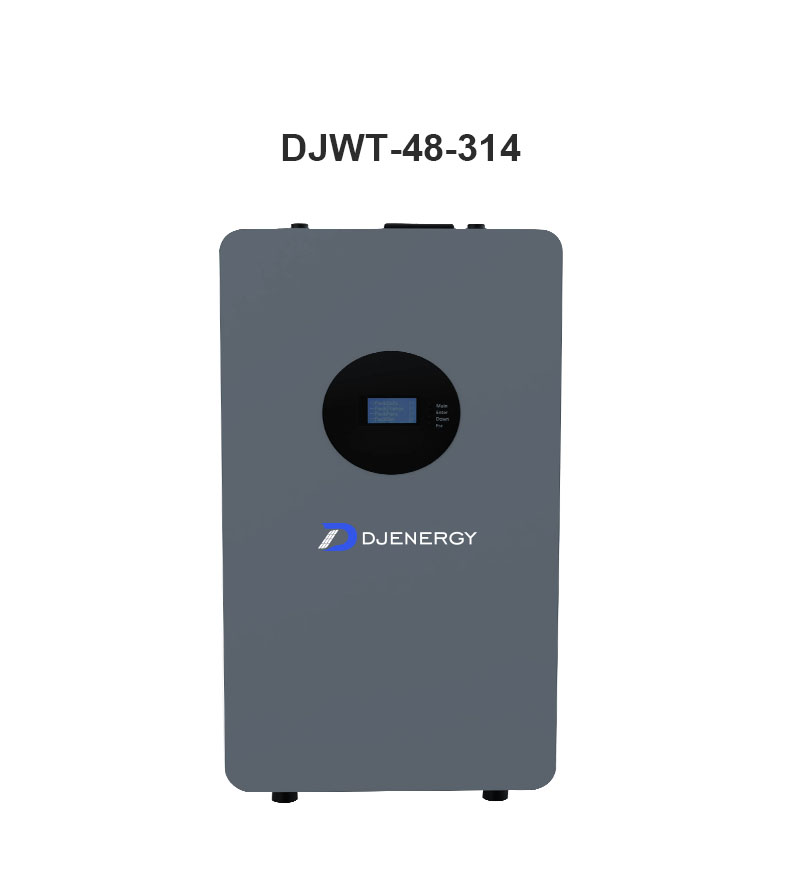
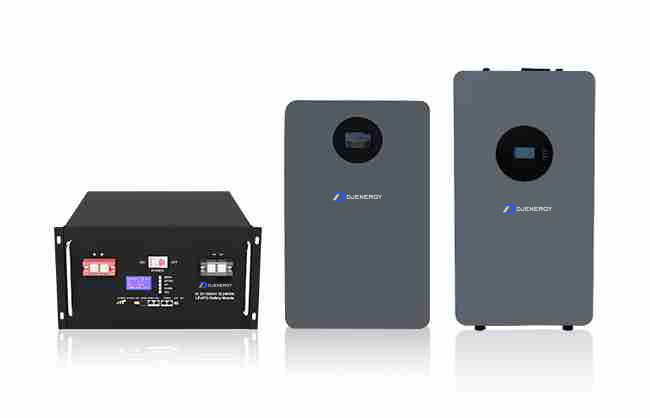
- Batteries like Home Energy Storage can store up to 13.5 kWh
- Add 1.5–3 kW extra capacity to compensate for storage needs
Battery Backup Benefits:
- Emergency power during outages
- Reduce reliance on grid
- Greater energy independence
Tips for Choosing the Right Residential Solar Power System
1. Get a Solar Audit
Have a professional evaluate your home’s energy usage, sun exposure, and roof condition.
2. Install High-Efficiency Panels
Choose panels from reputable brands like SunPower, LG, Q Cells, or REC that offer higher output per square foot.
3. Monitor Usage with Smart Apps
Use energy monitoring tools to track usage and adjust habits.
4. Optimize for Tax Incentives
Federal Solar Tax Credit (ITC) remains at 30% in 2025, significantly reducing upfront costs.
5. Don’t Forget About Net Metering
Net metering programs let you sell excess electricity back to the grid, improving ROI. Rules vary by state.
Understanding Your Home’s Specific Energy Needs
To accurately size a solar system, you need to calculate your home’s annual energy consumption, which varies based on:
- Home size (square footage)
- Number of occupants
- Appliances used (HVAC, washer/dryer, refrigerator, water heater, etc.)
- Heating and cooling needs (based on climate)
- Electric vehicle (EV) charging
- Home office equipment or power tools
- Usage patterns (e.g., working from home vs. mostly away)
Step-by-Step: How to Calculate Your Energy Needs
- Gather Electric Bills
Look at 12 months of utility bills. Find your monthly kilowatt-hour (kWh) usage, and total it for the year. - Calculate Your Annual Usage
Add the 12 months of usage for an annual total (e.g., 10,500 kWh/year). - Determine Average Monthly Usage
Divide the total by 12 (e.g., 10,500 ÷ 12 = 875 kWh/month). - Account for Energy Efficiency Improvements
If you’ve recently added energy-efficient appliances or insulation, adjust down your estimate. - Plan for Future Usage
- Add 2,000–3,000 kWh/year for each electric vehicle
- Add usage for planned additions like hot tubs, HVAC upgrades, or home additions
Example Energy Breakdown (Typical U.S. Home)
Appliance / System | Estimated Annual Usage (kWh) |
Central AC (1,500 sq. ft) | 2,000–4,000 |
Refrigerator | 500–700 |
Washer & Dryer | 700–1,000 |
Electric Water Heater | 2,000–3,000 |
Lighting (LED) | 400–600 |
EV Charging | 2,500–3,500 (per vehicle) |
High-Energy Appliances That Increase Solar System Size
1. Electric Vehicles (EVs)
- Impact: Adds 2,000–4,000 kWh/year per vehicle depending on daily mileage.
- Solar effect: Adds 1.5–3 kW to your solar system.
- Example: Driving 30 miles/day = ~10 kWh/day = 3,650 kWh/year
Tip: If you’re planning to buy an EV in the next 1–2 years, size your system accordingly now.
2. Swimming Pool Pumps
- Impact: Uses 1,500–3,000 kWh/year depending on pump efficiency and run-time.
- Solar effect: Add 1.5–2 kW to your solar system.
- Notes: Variable-speed pumps are more efficient and solar-friendly.
3. Central Air Conditioning (Especially in Hot Climates)
- Impact: Uses 2,000–4,000+ kWh/year
- Solar effect: Add 2–3 kW to your system if usage is heavy
- Tip: Shading, insulation, and smart thermostats help reduce usage.
4. Electric Water Heaters
- Impact: 3–4 people in a household may consume 2,500–3,500 kWh/year
- Solar effect: Add 1.5–2.5 kW to your system
- Upgrade Tip: Consider heat pump water heaters for up to 60% energy savings.
5. Electric Stoves & Ovens
- Impact: ~400–1,000 kWh/year
- Not as large as others, but still a factor when combined with other loads.
6. Washer/Dryer (Electric)
- Impact: ~700–1,200 kWh/year
- Tip: Front-load washers and gas dryers reduce electricity demand.
7. Home Office Setups (Monitors, PCs, Servers)
- Impact: ~300–800 kWh/year depending on use.
- More relevant post-2020 with hybrid/remote work.
8. Battery Charging (Power Tools, E-Bikes, etc.)
- Impact: Minor individually, but frequent charging adds up (~100–300 kWh/year)
Summary Table: Extra kWh and Panel Estimates
Appliance | Extra kWh/year | Extra kW of Solar Needed | Panels (400W) |
EV (per vehicle) | 3,000 | 2.0–2.5 kW | 5–7 panels |
Pool Pump | 2,000 | 1.5 kW | 4 panels |
Electric Water Heater | 3,000 | 2.0 kW | 5 panels |
Central AC | 3,500 | 2.5–3 kW | 6–8 panels |
Rule of thumb: Every 1 kW of solar = ~2.5–3 panels, depending on panel wattage.