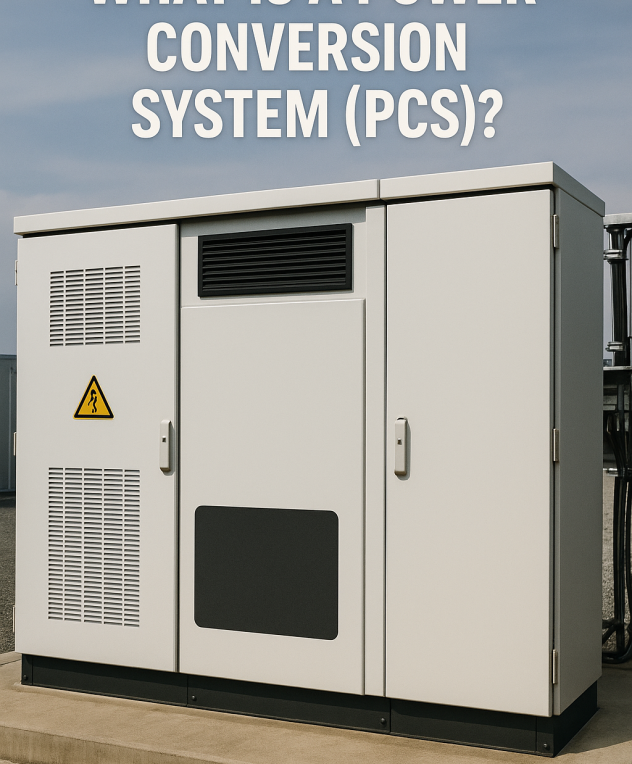


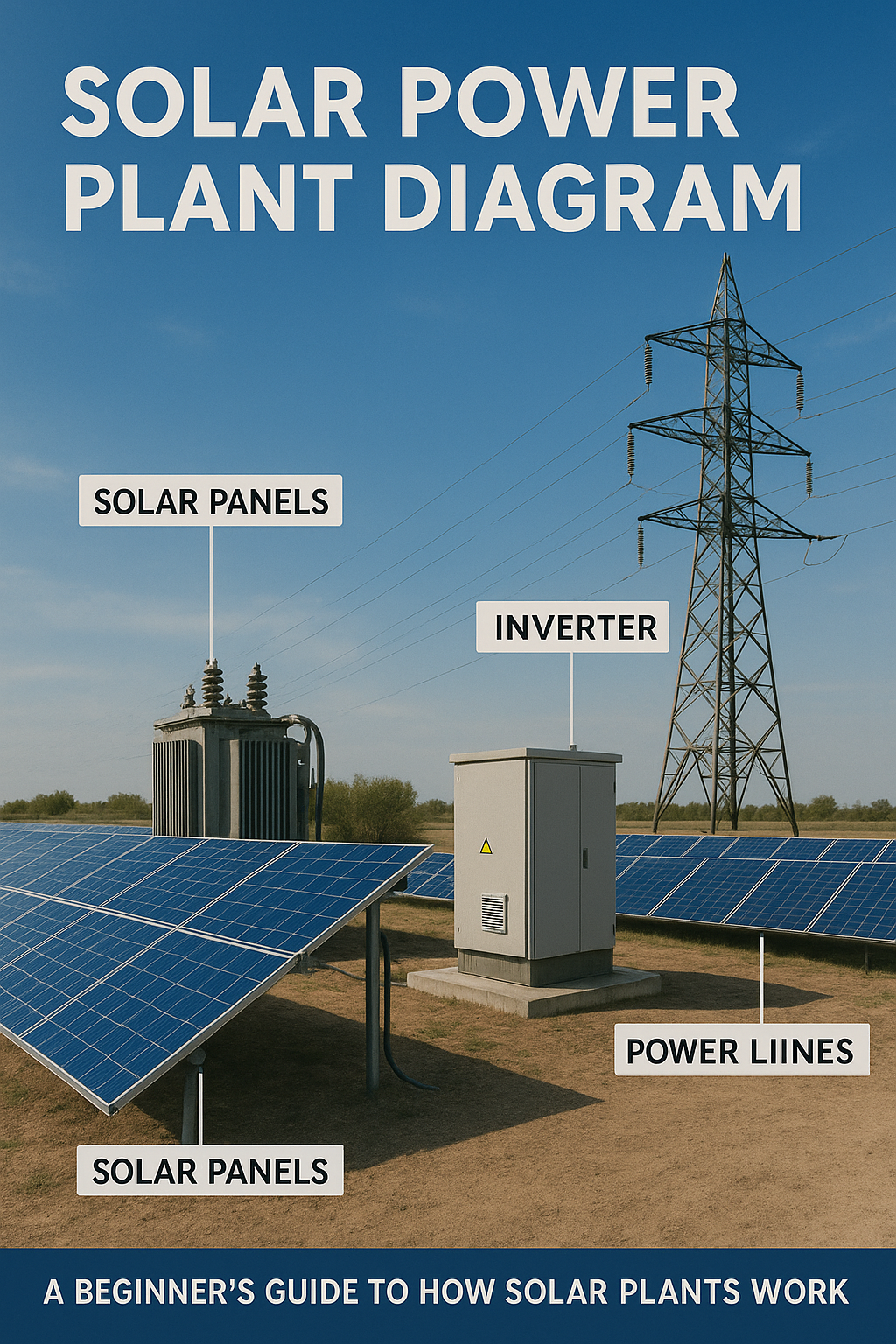
Solar Power Plant Diagram

Solar Power Plant Diagram
Solar Power Plant Diagrams Matter

Understanding how a solar power plant works is essential for anyone interested in clean energy—whether you’re a homeowner, student, engineer, or policymaker. A clear solar power plant diagram helps explain the structure and function of each component that makes up a solar energy system. In this blog, we’ll walk through the working principle of a solar power plant, break down its core parts, and explain how electricity flows from the sun to your socket.

A Beginner’s Guide to How Solar Plants Work

A solar power plant is a large-scale energy facility designed to convert sunlight into usable electricity. It uses two primary technologies: photovoltaic (PV) systems and concentrated solar power (CSP) systems. These plants are engineered to serve a range of power demands, from small-scale community needs to utility-scale grid contributions.

Solar power plants harness the sun’s energy, a renewable and sustainable resource, making them vital to the global clean energy transition. They are silent, emission-free, and operate efficiently for decades with minimal maintenance. Unlike conventional fossil-fuel-based plants, solar facilities do not rely on combustible materials, reducing air pollution, carbon dioxide emissions, and reliance on imported fuels.

Depending on design and capacity, solar plants may be installed on rooftops, open land, deserts, or floating platforms over water bodies. The electricity produced can either be consumed locally, stored in battery systems, or distributed across the grid to support broader energy infrastructure.

Two Main Types of Solar Power Plants:

  • Photovoltaic (PV) Systems: These convert sunlight directly into electricity using semiconductor-based solar panels. They are modular, scalable, and suitable for a variety of climates.
  • Concentrated Solar Power (CSP): These use mirrors or lenses to concentrate a large area of sunlight onto a receiver. The heat generated is then used to produce steam that drives a turbine connected to an electrical generator. CSP systems are best suited for large-scale utility projects in high-irradiance areas.

In this guide, we primarily focus on PV solar power plant diagram, which are the most widely implemented and rapidly growing form of solar technology today.

A solar power plant is a facility that captures sunlight and converts it into usable electricity using photovoltaic (PV) systems or concentrated solar power (CSP). The most common and scalable technology today is PV solar, which converts solar radiation directly into electrical energy through semiconductor materials.

Solar Plant Working Principle

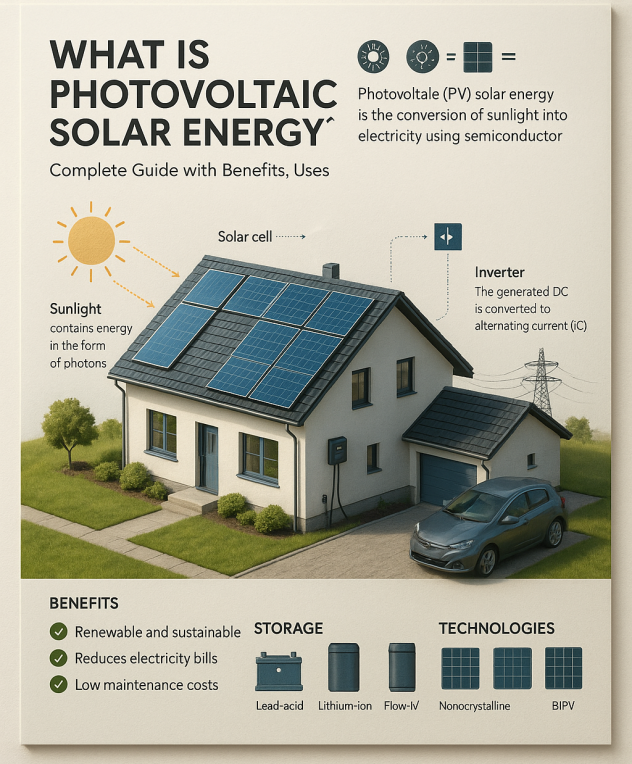
The working principle of a solar power plant is based on the photovoltaic effect—the process by which sunlight is converted directly into electricity using semiconducting materials. The operation can be explained in a series of systematic steps that ensure the capture, conversion, transmission, and use of solar energy:

  1. Solar Radiation Capture: Photons from sunlight strike the surface of solar panels, exciting electrons in the photovoltaic cells and creating a flow of direct current (DC) electricity.
  2. Current Aggregation: Electricity from multiple panels is routed through combiner boxes, which consolidate the DC power output into a single stream and ensure safety via integrated fuses or breakers.
  3. Conversion to AC: The DC power is delivered to inverters, which convert it to alternating current (AC)—the standard form of electricity used in homes, industries, and the grid.
  4. Voltage Adjustment: The AC output is passed through a transformer, which steps up the voltage to match grid requirements and ensures efficient transmission over long distances.
  5. Distribution or Storage: The electricity is either consumed onsite, sent to the grid, or stored in battery energy storage systems (BESS) for use during periods of high demand or grid outages.
  6. Monitoring and Regulation: Smart control systems continuously monitor power generation, optimize energy distribution, and detect faults to ensure safe, efficient, and reliable operation.

This principle allows solar power plants to operate autonomously and sustainably, providing clean, renewable power to a wide variety of end users.

Solar System Layout

A solar system layout refers to the physical arrangement of components in a solar power installation. Proper layout planning is essential for maximizing energy production, ensuring safety, and optimizing system efficiency. Whether for a rooftop, ground-mounted, or utility-scale system, the layout influences the system’s performance, shading, maintenance access, and electrical losses.

  1. Panel Orientation and Tilt

Solar panels are arranged to face the optimal direction—typically true south in the northern hemisphere or true north in the southern hemisphere—with a tilt angle that corresponds to the local latitude. This setup ensures maximum sunlight exposure throughout the year.

  1. Row Spacing and Shading Considerations

Ground-mounted systems require adequate spacing between rows to prevent one row from shading another, especially during winter when the sun is lower in the sky. Row spacing is calculated based on panel height, tilt angle, and geographic location.

  1. Inverter Placement

Inverters are typically located near the solar arrays to minimize DC line losses. In larger installations, centralized inverter pads are used, while in smaller setups, string inverters may be mounted on walls or back of panels.

  1. Battery Storage Location

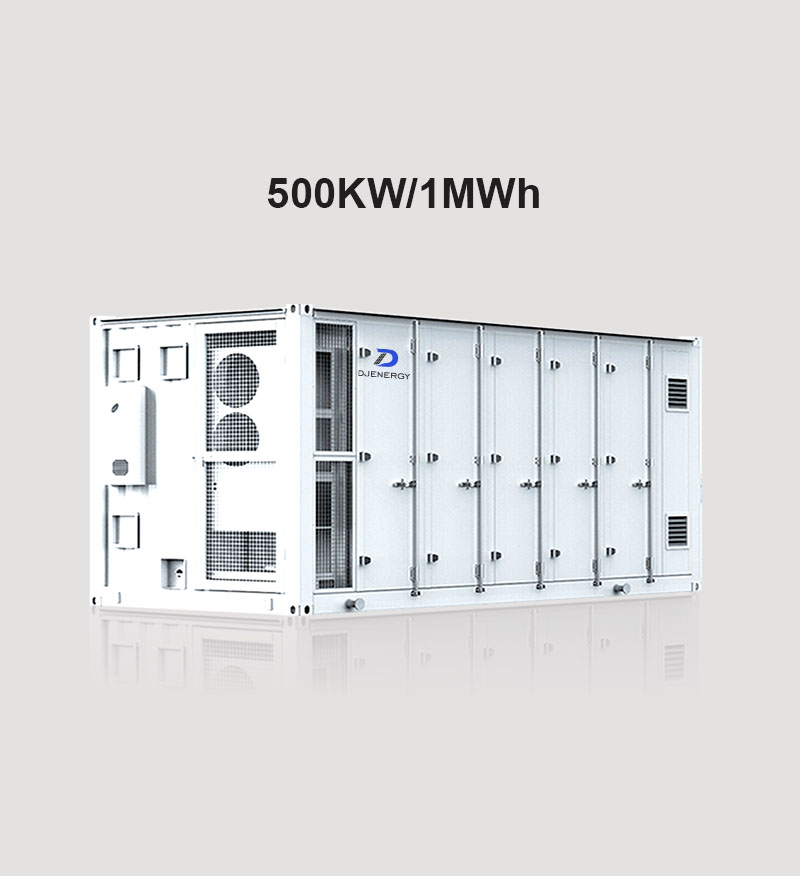
Battery enclosures should be housed in shaded or climate-controlled areas to maintain thermal stability and prolong battery life. In utility-scale plants, battery banks are often installed in containerized units near inverter stations.

  1. Wiring and Conduit Paths

Electrical conduits and wiring should follow the most direct path while complying with local electrical codes. Efficient cable routing reduces resistance and voltage drop across the system.

  1. Monitoring and Control Units

System monitoring hardware is placed in easily accessible locations for maintenance and performance checks. These may be installed inside buildings, control rooms, or adjacent weatherproof enclosures.

  1. Safety Clearances and Access Lanes

Access lanes are included in large solar farms to facilitate maintenance and firefighting. Adequate spacing is also maintained between arrays, inverter stations, and boundary fencing to meet safety standards.

A well-thought-out solar system layout not only boosts energy yield but also ensures long-term reliability, easier maintenance, and regulatory compliance.

Solar Power Plant Diagram Overview
A solar power plant diagram is a visual representation that outlines the key components and energy flow within a solar energy system. This type of diagram is essential for understanding how solar panels, inverters, and other elements work together to produce and distribute electricity. Below is a breakdown of the typical elements found in such a diagram, highlighting their individual functions and how they connect:

  1. Solar Panels (PV Modules) – These are the primary components that capture sunlight and convert it into direct current (DC) electricity using the photovoltaic effect. Panels are arranged in large arrays for maximum energy capture.
  2. Combiner Box – This electrical device collects the output from multiple solar panels and combines it into a single, manageable output line. It helps reduce wiring complexity and includes protective features like circuit breakers or fuses.
  3. Inverter – Converts the DC electricity from the panels into alternating current (AC), which is the standard electricity used in homes and by the grid. Inverters can be string inverters, central inverters, or microinverters, depending on the size and design of the plant.
  4. Transformer – After conversion to AC, a transformer steps up the voltage for efficient transmission over long distances. It ensures that the electricity is suitable for delivery to the public grid.
  5. Energy Meter – Tracks the amount of energy generated by the plant and, in some systems, the energy sent back to the grid. This is essential for performance monitoring and billing in net metering or feed-in tariff arrangements.
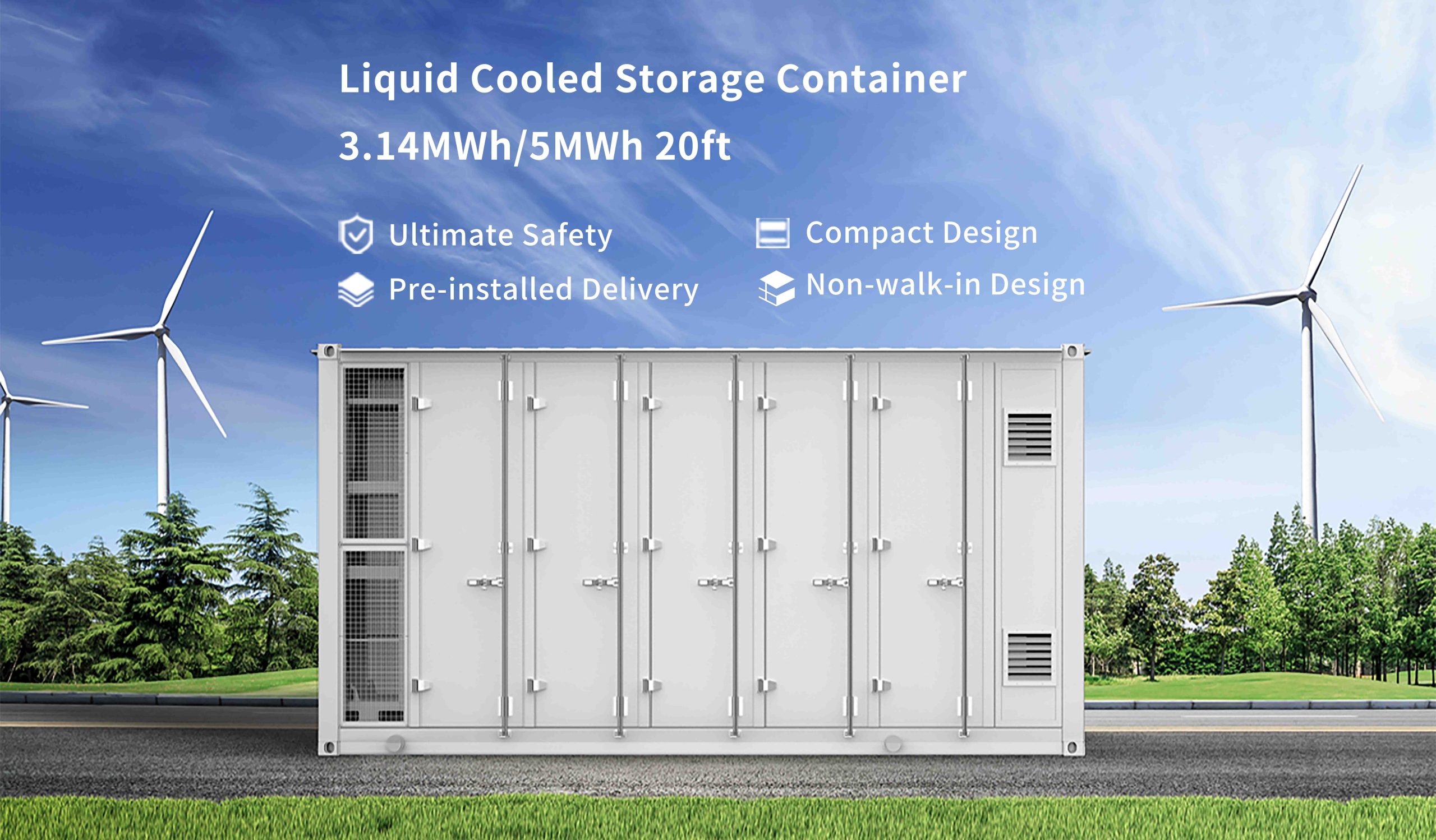
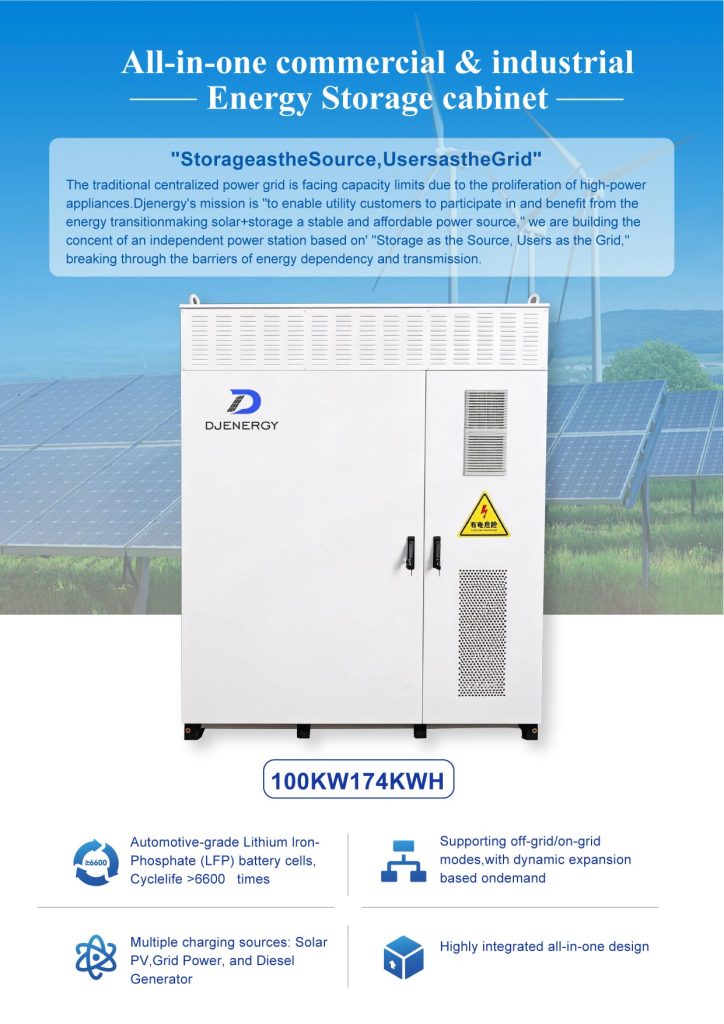
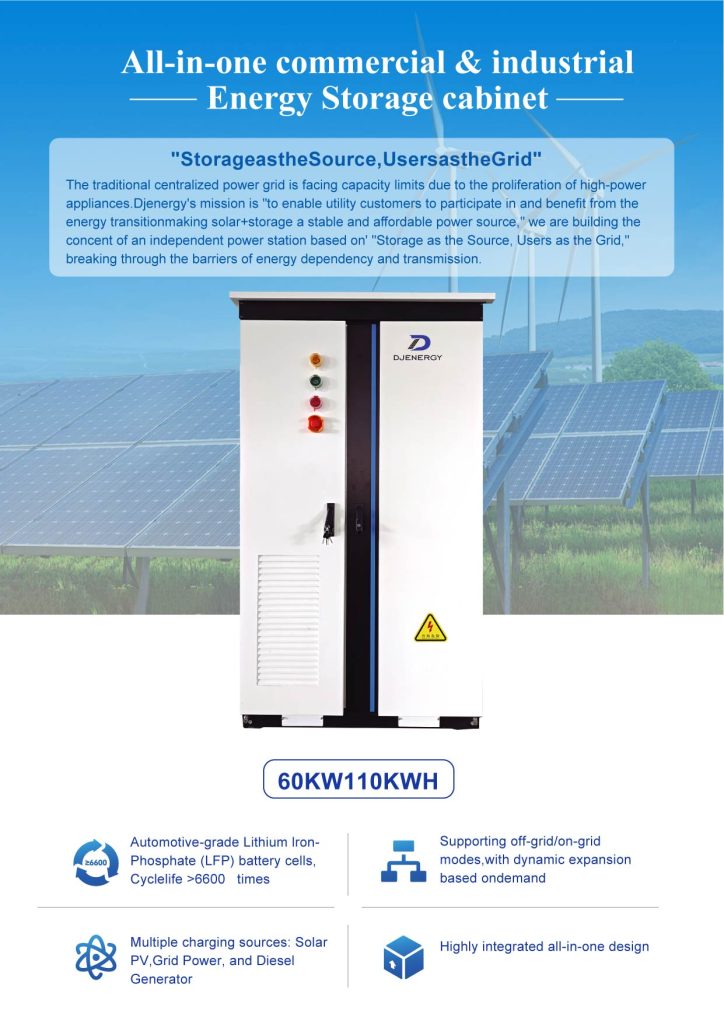
  6. Battery Storage System (Optional) – In hybrid or off-grid setups, batteries store excess electricity generated during the day for use during nighttime or emergencies. Battery storage improves energy resilience and supports load management.
  7. Grid Connection – This is where the solar system interfaces with the broader utility grid, feeding electricity to homes, businesses, or utility customers. Advanced systems may include bidirectional meters and safety disconnects.

Solar Energy Components

Solar energy systems—whether residential, commercial, or utility-scale—rely on a range of components to function efficiently and safely. These components work together to harvest sunlight, convert it into electricity, and deliver it to end users or the grid. Here’s a breakdown of the most essential solar energy components:

  1. Solar Panels (Photovoltaic Modules)

The heart of any solar power system, solar panels are made of photovoltaic (PV) cells that convert sunlight into direct current (DC) electricity. Common panel types include monocrystalline, polycrystalline, and thin-film technologies, each with varying levels of efficiency, durability, and cost.

  1. Inverters

Inverters convert DC electricity from the panels into alternating current (AC), which is used by most electrical appliances and the utility grid. Types include string inverters, microinverters, and central inverters, each suited for different system sizes and configurations.

  1. Mounting Structures

Mounting systems support and secure solar panels in place. They can be roof-mounted, ground-mounted, or installed as carports or canopy structures. Some are fixed-tilt while others are tracking systems that follow the sun to maximize energy capture.

  1. Battery Storage

Optional but increasingly common, battery systems store excess solar electricity for use at night or during grid outages. Lithium-ion and lithium iron phosphate (LiFePO4) batteries are popular choices for both commercial and utility-scale solar.

  1. Charge Controller (in Off-Grid Systems)

Used in off-grid and hybrid setups, charge controllers regulate the voltage and current flowing from the solar panels to the batteries to prevent overcharging or deep discharge.

  1. Monitoring and Control Systems

These software and hardware solutions allow operators to track energy generation, system performance, and environmental conditions. They provide alerts for maintenance and enable remote diagnostics.

  1. Electrical Safety Devices

Fuses, circuit breakers, surge protectors, and grounding equipment are used throughout the system to protect against electrical faults and ensure compliance with safety regulations.

  1. Transformer and Grid Interface

For large-scale systems, a transformer increases voltage for transmission, while grid-tie equipment ensures the solar system operates in harmony with utility infrastructure.

Together, these components form a robust system that can power homes, businesses, or entire communities with clean, renewable solar energy.

Core Components of a Solar Power Plant

Component

Description

Solar Panels

Capture solar energy and convert it into electricity (DC).

Inverter

Converts DC electricity into AC for compatibility with grid and appliances.

Combiner Box

Aggregates outputs from multiple panels into a single flow.

Transformer

Steps up voltage for grid transmission.

Battery Storage

Optional; stores unused solar energy for backup.

Monitoring

Software that provides real-time data and performance analytics.

Grid Interface

Distributes the generated power to homes and industries.

Types of Solar Plant Configurations

Understanding the different solar power plant configurations is essential to determine the best setup for various energy needs. Each configuration type has unique features, advantages, and use cases:

  1. Grid-Tied Systems

Grid-tied solar systems are the most widely deployed configuration, especially in urban and industrial areas. These systems are connected directly to the public electricity grid, allowing solar energy to be consumed onsite while any excess is fed back to the grid. Net metering policies often allow users to earn credits for this exported electricity, reducing energy bills.

Advantages:

  • Cost-effective due to the absence of batteries
  • Eligible for net metering programs
  • Reduced dependence on fossil fuels during daylight hours

Limitations:

  • No power supply during grid outages unless paired with energy storage
  1. Off-Grid Systems

Off-grid systems are independent from the utility grid and are commonly used in remote or rural areas where grid access is unavailable or unreliable. These systems rely on solar panels and battery storage to meet all energy needs. Some also include backup generators to provide power during extended cloudy periods.

Advantages:

  • Complete energy independence
  • Ideal for remote homes, agricultural sites, or mobile setups like boats and RVs

Limitations:

  • Higher upfront costs due to batteries and backup systems
  • Requires careful energy load planning
  1. Hybrid Systems

Hybrid solar systems combine the best of both grid-tied and off-grid solutions. These setups use solar panels and batteries, but also remain connected to the utility grid for added reliability. This ensures continuous power even when solar production is low and battery reserves are depleted.

Advantages:

  • Backup power during outages
  • Reduced grid dependency
  • Greater control over energy usage and costs

Limitations:

  • More complex and costly than basic grid-tied systems

Each configuration suits different energy goals and infrastructure realities, from maximizing savings in cities to powering off-grid communities or ensuring backup for critical infrastructure.

Solar Power Plant Diagram (Visual)
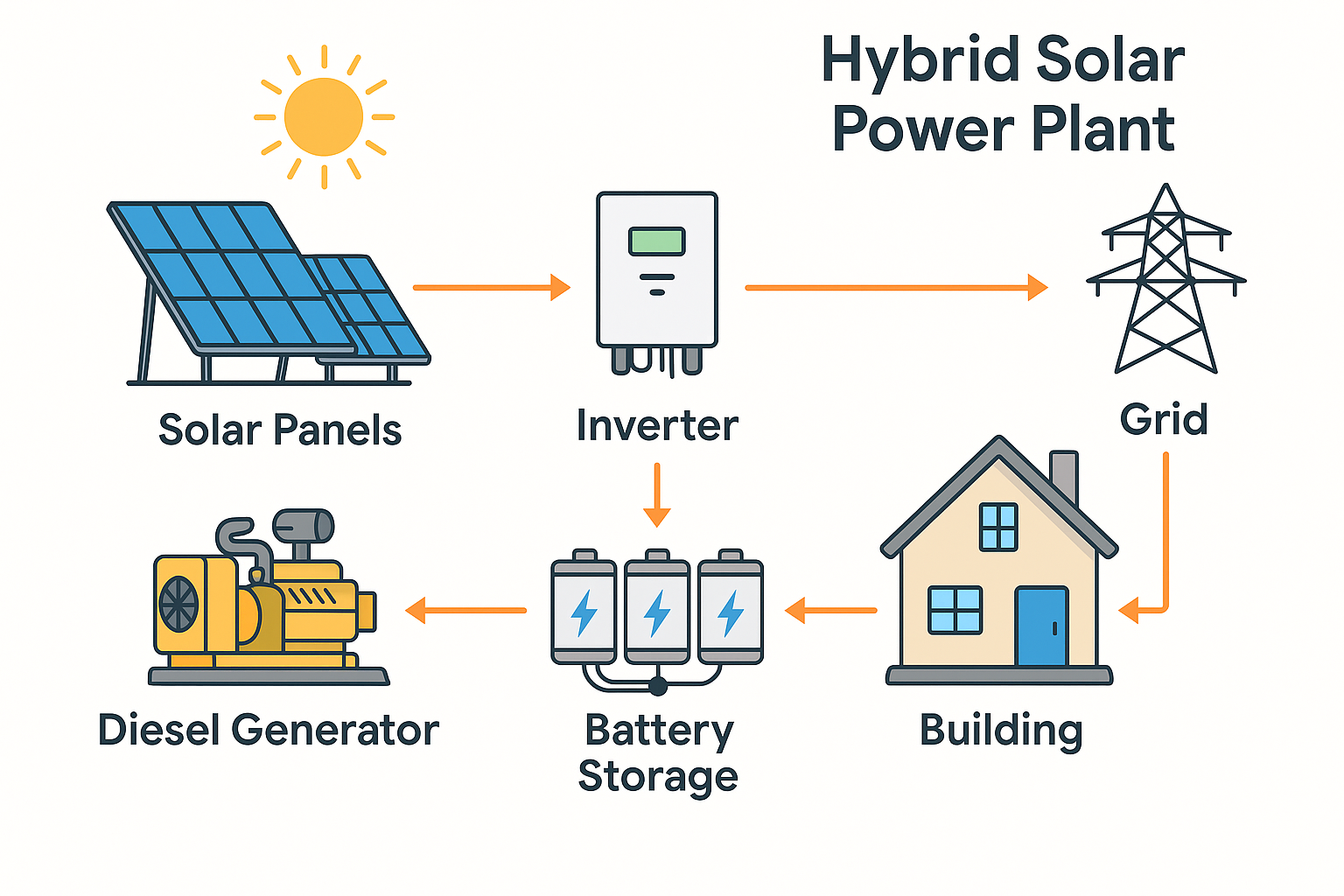
Below is a hybrid solar power plant diagram featuring a grid connection, inverter, transformer, and battery bank. This setup offers resilience, reduced energy bills, and blackout protection.

Solar Power Plant Diagram
Advantages of Solar Power Plant

  1. Clean and Renewable Energy

Solar energy is harnessed directly from the sun, making it a truly renewable and inexhaustible resource. Unlike fossil fuels, it produces no air or water pollution, making it one of the cleanest forms of electricity generation. By transitioning to solar, communities can significantly reduce their carbon footprint and environmental impact.

  1. Lower Operating and Maintenance Costs

Once installed, solar power systems have low ongoing operational costs. Solar panels require minimal maintenance—mainly periodic cleaning and occasional inspections. There are no moving parts in photovoltaic systems, reducing the chance of mechanical failure. Compared to fossil fuel plants, which require constant fuel input and intensive maintenance, solar plants offer a long-term cost advantage.

  1. Energy Independence and Security

Generating electricity on-site with solar reduces dependence on external energy suppliers and insulates users from fuel price volatility. This is particularly beneficial in regions with unstable energy markets or limited fuel access. Large-scale solar installations can also contribute to national energy security by diversifying energy supply sources.

  1. Scalability and Flexibility

Solar systems can be deployed in a wide range of sizes and locations—from residential rooftops and commercial buildings to large utility-scale farms. This scalability makes solar suitable for various applications and allows incremental investment as demand grows. Additionally, systems can be expanded with battery storage or integrated into hybrid configurations.

  1. Economic Growth and Job Creation

The solar industry is a significant source of employment, offering jobs in manufacturing, engineering, installation, and system maintenance. As more countries invest in renewable energy, solar power continues to drive economic development and create new opportunities in both urban and rural areas.

  1. Grid Resilience and Peak Shaving

Solar installations can reduce strain on the power grid during peak demand hours, helping stabilize energy supply. When paired with battery storage, they can supply critical power during outages and reduce the need for costly grid infrastructure upgrades.

Use Cases for Solar Power Plants

Solar power plants are highly adaptable and can be tailored to meet the energy needs of various sectors. Their applications range from large-scale utility deployment to localized use in agriculture, education, and beyond. Here are some expanded examples of where solar plants make a difference:

  • Utility-Scale Solar Farms: These are massive ground-mounted installations, often spanning hundreds of acres, that feed electricity directly into the national grid. They help power entire towns and cities and support national renewable energy targets.
  • Commercial and Industrial Facilities: Large buildings like warehouses, factories, and data centers benefit from on-site solar to offset energy costs, enhance sustainability, and maintain operations during outages when paired with storage.
  • Agricultural Solar Systems: Farms and agribusinesses use solar for powering irrigation pumps, livestock operations, refrigeration units, and automated systems. It reduces reliance on diesel and helps stabilize costs in remote locations.
  • Community Solar Projects: These allow multiple users—often renters, small businesses, or those without suitable rooftops—to subscribe to a shared solar array. It’s an equitable way to provide solar access without the need for individual installations.
  • Educational and Government Facilities: Schools, universities, and municipal buildings use solar to reduce long-term utility expenses, contribute to sustainability goals, and serve as teaching tools for renewable energy awareness.
  • Healthcare Facilities and Hospitals: These critical infrastructure sites use solar combined with battery storage to ensure continuous energy supply, particularly important during grid failures or natural disasters.
  • Remote and Island Communities: Off-grid solar plants serve areas with limited or no access to traditional utilities, providing consistent, clean power to homes, clinics, and schools while replacing diesel generators.

Why Solar Power Plant Diagram Are Essential
A well-structured solar power plant diagram is a valuable tool for anyone looking to understand how solar energy works. Whether you’re planning a commercial solar installation, studying for an engineering exam, or looking to invest in renewable energy, understanding the layout and functions of each component helps you make informed decisions.

As more businesses, governments, and individuals embrace solar technology, diagrams like this one make it easier to visualize the path toward a cleaner, more sustainable energy future.
How to

How Does a Solar Power Plant Work?

A solar power plant operates through a series of carefully coordinated steps that convert sunlight into usable electricity. Here’s a detailed look at each phase:

Step 1: Light Absorption

Solar panels consist of photovoltaic (PV) cells made from semiconducting materials like silicon. When sunlight strikes these cells, it excites electrons, generating direct current (DC) electricity. These panels are arranged in large arrays and are either mounted on the ground or rooftops, depending on the design of the solar plant.

Step 2: Power Collection and DC Consolidation

Multiple solar panels connect to a combiner box, which merges the DC output into a single channel. This consolidation simplifies the routing of electricity and improves system efficiency while also incorporating safety features like fuses and surge protection.

Step 3: DC to AC Conversion

The consolidated DC power is then sent to an inverter, a crucial device that converts DC into alternating current (AC). AC electricity is the standard form used in homes, businesses, and by the power grid. High-efficiency string or central inverters are typically used in utility-scale solar projects.

Step 4: Voltage Step-Up for Transmission

After conversion, the AC power passes through a transformer to increase voltage levels—typically up to 11kV or more—so electricity can be transmitted efficiently over long distances via the utility grid infrastructure.

Step 5: Energy Use, Storage, or Grid Integration

The generated electricity is either consumed on-site, fed into the public electricity grid, or stored in battery energy storage systems (BESS) for later use. BESS is especially useful for peak demand periods, night-time usage, or during power outages, adding reliability and flexibility to solar systems.

Step 6: Monitoring and Optimization

Modern solar plants are equipped with smart monitoring systems that track real-time energy production, detect faults, optimize output, and ensure performance remains within expected parameters. This data helps operators maintain high efficiency and resolve any issues proactively. Each of these steps contributes to a streamlined, low-emission energy cycle that supports everything from industrial operations to residential consumption.

1 Comment

  • Understanding each component’s role in a solar power plant is key, especially as more people consider energy independence. Looking forward to a deeper dive into the actual diagram and how everything connects.

Comments are closed.