What Are BESS Projects and How to Develop

What Are BESS Projects and How to Develop

: The Rise of BESS Projects

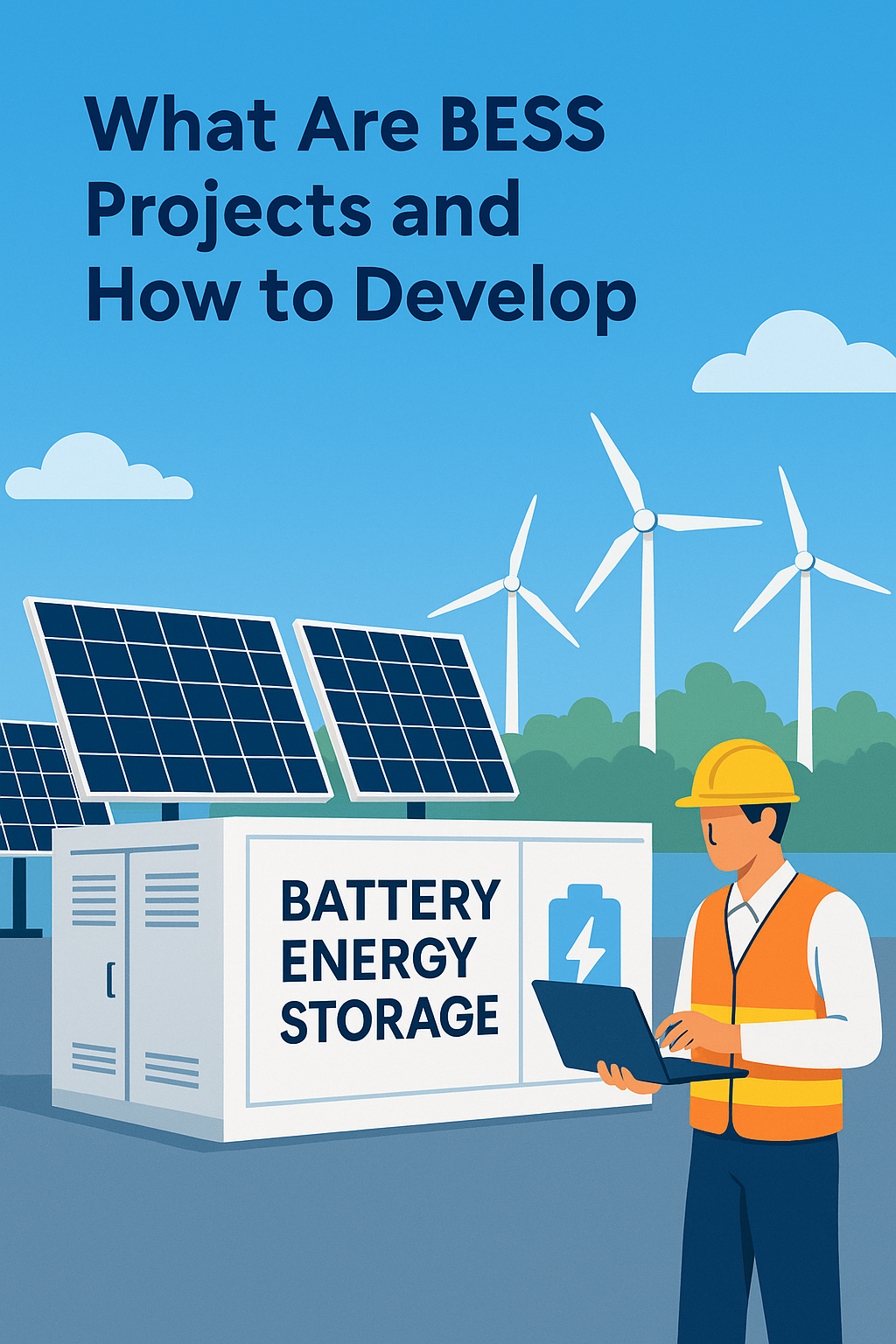
As the world shifts to renewable energy, a critical need has emerged: reliable, scalable, and efficient energy storage. Battery Energy Storage System (BESS) projects answer that need. Across the globe, utilities, businesses, and communities are investing heavily in BESS projects to store renewable energy and strengthen their energy resilience. But what exactly are BESS projects? What makes them successful? Let’s break it down

“BESS projects involve the design, construction

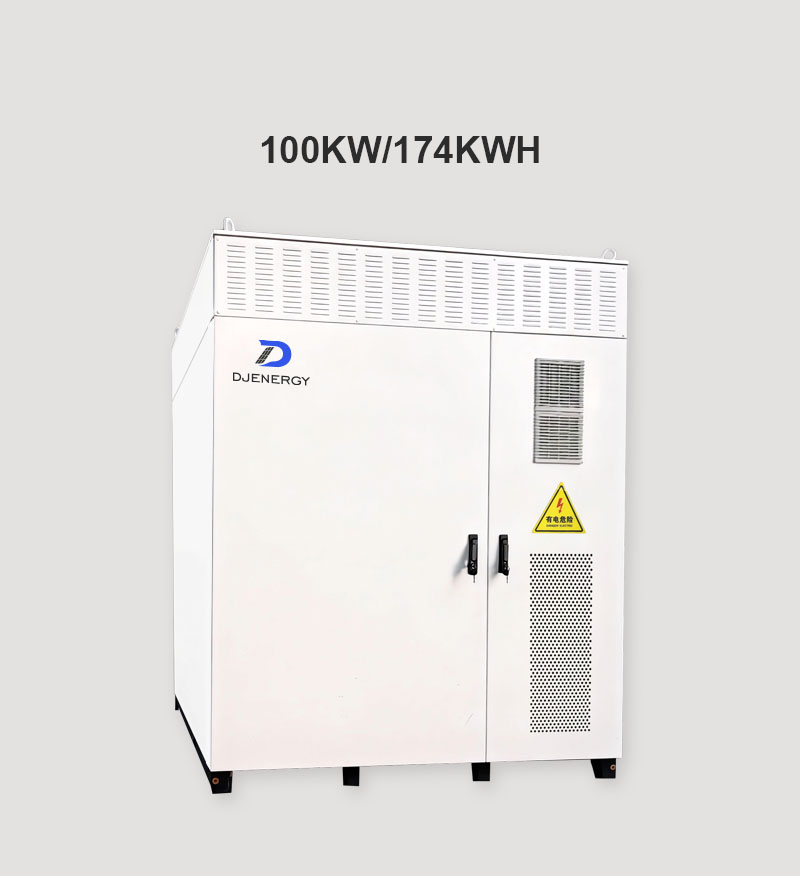
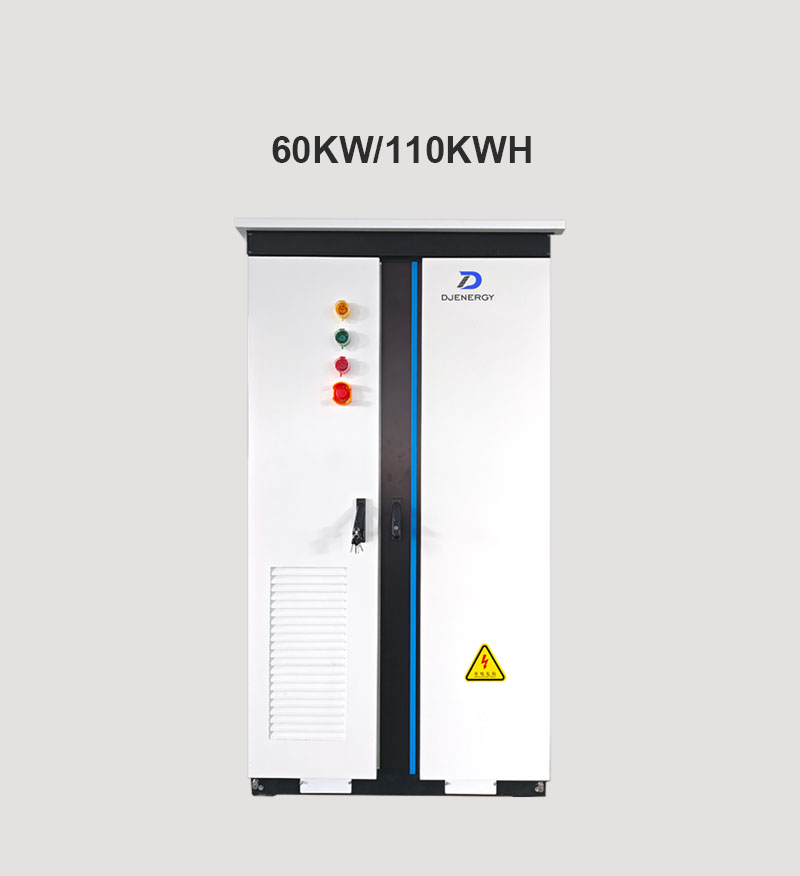
and operation of large-scale battery storage systems. These projects can range from small community installations to massive grid-scale facilities capable of powering entire cities during peak demand or outages. Their primary goal is simple: store excess energy and release it when needed.

BESS facilities act as an energy reservoir, providing load shifting, peak shaving, and frequency regulation. As the integration of variable renewable energy sources like wind and solar increases, the flexibility provided by BESS becomes more essential for ensuring grid stability.

Key Elements of BESS Projects

  • Site Selection: Choosing a location with easy grid access, low land costs, and minimal environmental impact.
  • Battery Technology: Selecting the right chemistry (lithium-ion, flow batteries, solid-state batteries) based on performance, safety, and cost targets.
  • Inverters and Power Control Systems: Managing the seamless conversion and intelligent delivery of stored energy.
  • Cooling and Safety Systems: Maintaining optimal battery temperatures and preventing thermal runaway.
  • Energy Management Software: Utilizing AI-powered systems to optimize storage schedules, predict demand, and enhance efficiency.

Top Qualities of Successful BESS Projects

  1. High Storage Capacity

The best BESS projects are designed with enough energy storage capacity to meet operational objectives. This allows for greater energy autonomy, higher renewable penetration, and enhanced energy arbitrage opportunities.

  1. Fast Response Time

One of BESS’s biggest advantages is its incredible speed. Effective projects deliver energy within milliseconds, ensuring immediate support during frequency deviations, blackouts, and demand surges.

  1. Modular Scalability

Future-proof design matters. Successful BESS installations are modular, allowing system operators to add new battery racks or containers as energy demand grows or market opportunities evolve.

  1. Long Lifecycle and Reliability

Maximizing project value depends on system longevity. Premium battery chemistries and advanced BMS (Battery Management Systems) ensure thousands of deep discharge cycles with minimal performance degradation.

  1. High Round-Trip Efficiency

High-efficiency energy storage reduces waste and maximizes ROI. Top BESS projects achieve round-trip efficiencies above 90%, lowering operational costs and improving overall system economics.

  1. Robust Safety Measures

Risk mitigation is built into every level of successful projects: from containerized fire suppression systems to automated fault detection software and remote shutdown capabilities.

  1. Economic Viability

Financial sustainability is crucial. Viable BESS projects model multiple revenue streams, including energy arbitrage, frequency regulation, capacity markets, and ancillary services.

  1. Environmental Sustainability

Eco-conscious projects prioritize minimizing their carbon footprint, sourcing responsibly mined materials, and investing in end-of-life battery recycling initiatives.

  1. Advanced Grid Integration

Superior BESS projects seamlessly interact with grid networks through smart grid solutions and dynamic voltage and frequency control.

Different Types of BESS Projects

  1. Utility Scale Projects

Utility-scale projects, in the context of energy storage, refer to the specific development, construction, and operation of large energy storage installations designed primarily to support the electricity grid. These projects are undertaken by utilities, independent power producers, or specialized developers. They involve significant investment, complex planning and permitting processes, grid interconnection studies, and long-term operational strategies to deliver grid services, integrate large amounts of renewable energy, or enhance overall grid reliability and efficiency.

  1. Commercial and Industrial (C&I) Projects

Enterprises deploy behind-the-meter BESS systems to lower peak demand charges, enhance energy resilience, and unlock new revenue by participating in demand response programs.

  1. Microgrid Projects

Localized, resilient energy systems combining renewables, diesel generators, and BESS to deliver continuous power in remote or disaster-prone areas.

  1. Residential Projects

Homeowners use systems like the Tesla Powerwall or LG Chem RESU to store solar power, reduce utility bills, and maintain backup power during outages.

  1. EV Charging Infrastructure Projects

BESS enables ultra-fast EV charging stations by mitigating grid stress, reducing demand charges, and supporting sustainable transport growth.

6. Energy Storage Project

An energy storage project refers to the complete process and undertaking involved in deploying an energy storage system. This encompasses all phases from initial conception and feasibility studies, through site selection, technology evaluation and procurement, engineering design, financing, permitting, construction, commissioning, interconnection, and finally, ongoing operation and maintenance. Such projects can vary vastly in scale, technology type (batteries, PHS, etc.), and application (residential, commercial, utility, microgrid).

Challenges Facing BESS Projects

  • High Upfront Costs: Despite falling battery prices, installation and integration expenses remain barriers.
  • Regulatory Uncertainty: Storage classification (generation, transmission, or distribution) impacts project approval processes and market participation.
  • Material Sourcing and Recycling: Ethical sourcing of cobalt and lithium and scaling battery recycling infrastructure are urgent priorities.
  • Technical Complexity: Interfacing with legacy grid systems and achieving optimal dispatch algorithms require advanced engineering.
  • Project Financing: Securing bankable offtake agreements and mitigating technology risk are critical to unlocking investment.

BESS Project Lifecycle

  1. Planning and Feasibility Studies: Including grid impact assessments, financial modeling, and environmental analysis.
  2. Permitting and Approvals: Navigating zoning laws, interconnection requirements, and community engagement.
  3. Engineering and Design: Selecting components, designing fire safety systems, and integrating control software.
  4. Procurement and Construction: Leveraging global supply chains and executing civil, electrical, and commissioning work.
  5. Commissioning and Testing: Verifying performance, safety systems, and regulatory compliance.
  6. Operations and Maintenance: Utilizing remote monitoring, predictive maintenance, and continuous software updates.
  7. End-of-Life Management: Repurposing used batteries for second-life applications or recycling critical minerals.


Hybrid Renewable + Storage Projects

Renewable Energy Storage


    Renewable energy storage addresses the inherent variability of sources like solar and wind power. By capturing excess energy generated during peak production times (e.g., sunny or windy periods), these storage systems allow that clean energy to be dispatched later, during times of low production or high demand. This capability is crucial for increasing the penetration of renewables onto the grid, enhancing grid stability, reducing reliance on fossil fuel peaker plants, and ensuring a more consistent and reliable supply of clean energy.
Utility-Scale Battery Storage

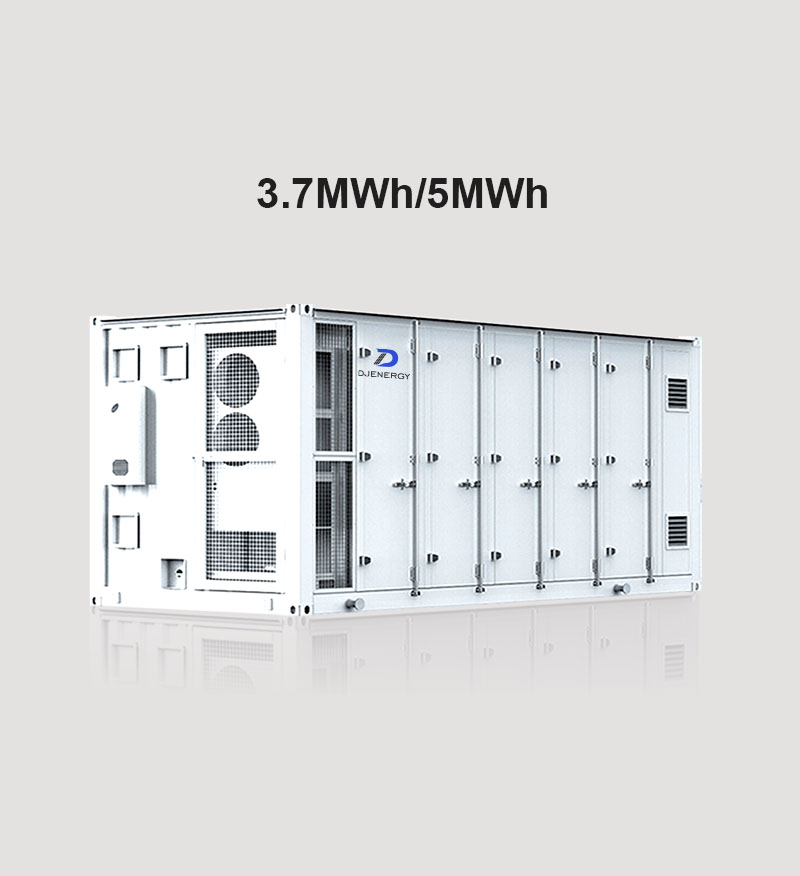
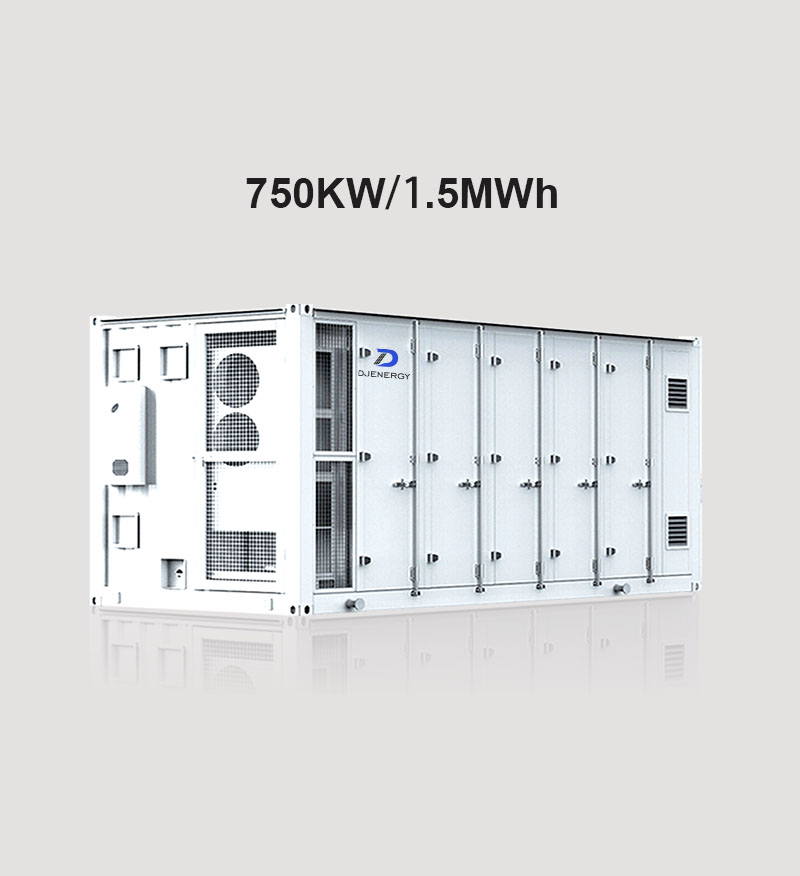
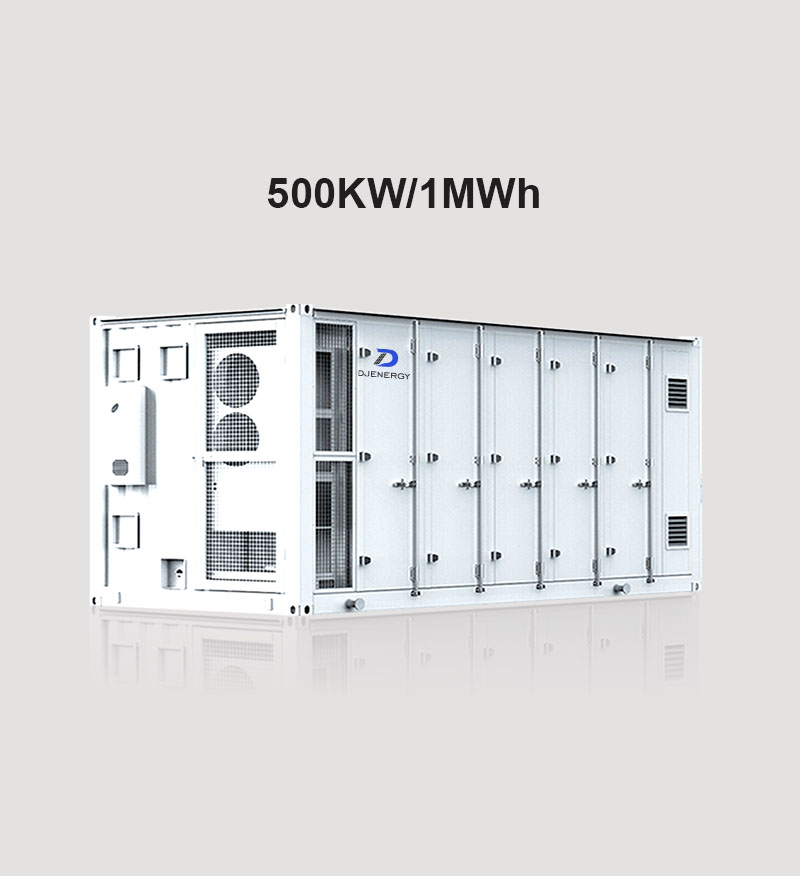
    Utility-scale battery storage refers to large, high-capacity battery systems, typically connected to the electricity transmission or distribution grid. Measured in megawatts (MW) of power capacity and megawatt-hours (MWh) of energy capacity, these installations provide essential grid services such as frequency regulation, voltage support, peak shaving (reducing demand during expensive peak hours), capacity firming (making intermittent renewables more predictable), and deferring costly grid infrastructure upgrades. They act as large reservoirs of electrical energy managed directly by or for grid operators.
Smart Grid Energy Storage

    Smart grid energy storage involves the integration of energy storage systems with advanced grid monitoring, control, and communication technologies that define a “smart grid.” This integration allows for more sophisticated and automated management of energy flows. Storage assets within a smart grid can respond dynamically to grid conditions, participate in demand response programs, optimize the use of distributed energy resources (like rooftop solar and EVs), and improve overall grid efficiency, resilience, and reliability by enabling two-way communication and power flow.
Battery Energy Storage Solution (BESS)

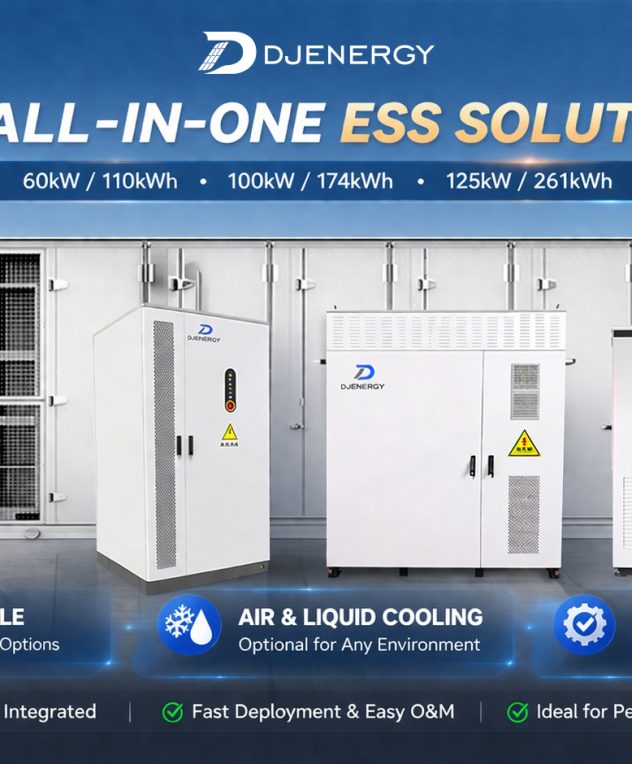
    A Battery Energy Storage Solution (BESS) is a complete, integrated system designed to store electrical energy using rechargeable batteries and release it when needed. A typical BESS includes the battery modules themselves, a battery management system (BMS) to monitor and control performance, power conversion systems (PCS) like inverters to convert DC to AC power, and control software. BESS can range in size from small residential units to large utility-scale installations, providing benefits like backup power, energy cost savings, and grid services.
Large Scale Energy Storage

    Large-scale energy storage encompasses technologies and projects designed to store significant quantities of energy, often measured in hundreds of megawatt-hours (MWh) or even gigawatt-hours (GWh). While often associated with utility-scale batteries, this category also includes other mature technologies like pumped hydro storage (PHS) and compressed air energy storage (CAES), as well as emerging technologies like thermal energy storage or flow batteries. The primary purpose is bulk energy shifting (storing energy for many hours or days) and providing long-duration grid stability and capacity.
Microgrid BESS

    A Microgrid BESS is a battery energy storage solution specifically designed and integrated within a microgrid – a localized group of electricity sources and loads that can function autonomously (islanded) from the main utility grid or connect to it. Within a microgrid, the BESS plays a critical role in maintaining power quality and stability, enabling the seamless transition to island mode during grid outages (enhancing resilience), maximizing the use of local renewable generation, and managing energy flows within the microgrid boundaries.
Sustainable Energy Storage

    • Sustainable energy storage focuses on minimizing the environmental and social impacts associated with the entire lifecycle of energy storage technologies. This includes responsible sourcing of raw materials (like lithium, cobalt, nickel), reducing energy and resource consumption during manufacturing, ensuring high operational efficiency, maximizing lifespan, and developing effective end-of-life management strategies such as recycling or repurposing. The goal is to ensure that the solutions used to enable renewable energy are themselves sustainable and contribute positively to environmental goals.

Emerging Trends in BESS Projects

  • Advanced Battery Chemistries: Growth of lithium iron phosphate (LFP) and sodium-ion batteries promises safer and more cost-effective options.
  • Hybrid Renewable + Storage Projects: Co-locating BESS with wind, solar, and green hydrogen for maximum system value.
  • AI and Machine Learning: Enhanced forecasting, asset management, and optimized dispatch strategies.
  • Community Energy Storage: Decentralized, locally owned BESS projects empowering consumers and boosting energy democracy.
  • Incentive Programs and Tax Credits: Expanded government initiatives driving broader market adoption

BESS Projects are Building the Future of Energy

Battery Energy Storage System projects are transforming the global energy landscape. By enabling higher renewable energy integration, enhancing grid flexibility, and providing critical backup services, BESS is foundational to achieving a low-carbon, resilient energy future. The best BESS projects prioritize scalability, efficiency, safety, and sustainability — setting new benchmarks for how the world powers itself.

BESS Projects

How to Develop a Successful BESS Project

Developing a successful Battery Energy Storage System (BESS) project requires a strategic, step-by-step approach. First, clearly define the project's goals — whether it's to provide backup power, perform energy arbitrage, or stabilize the grid. Conduct a thorough site and market analysis to find a location with favorable grid access and economic viability. Next, select the right technology, choosing battery chemistries and components suited to your operational needs and environment. Early engagement with regulatory agencies is essential to secure permits and smooth the approval process. Building a solid financial model with detailed risk assessments will make the project attractive to investors. The design and engineering phase demands collaboration with experienced EPC firms to ensure the system is both efficient and safe. Procuring high-quality components, followed by careful construction and commissioning, lays the foundation for long-term success. Once operational, proactive maintenance, remote monitoring, and optimization strategies are key to maximizing uptime and return on investment. Finally, planning for end-of-life management through recycling and second-life applications ensures the project's environmental sustainability and regulatory compliance. By following these steps, developers can deliver resilient, scalable, and economically viable BESS projects.

Define Objectives

Clearly identify the project’s goals — whether it’s energy arbitrage, backup power, grid stabilization, or renewable integration

Conduct Site and Market Analysis

Lorem ipsum dolor sit amet, consectetur adipiscing elit. Mauris tempus nisl vitae magna pulvinar laoreet. Nullam erat ipsum, mattis nec mollis ac, accumsan a enim. Nunc at euismod arcu. Aliquam ullamcorper eros justo, vel mollis neque facilisis vel.

Choose the Right Technology

Lorem ipsum dolor sit amet, consectetur adipiscing elit. Mauris tempus nisl vitae magna pulvinar laoreet. Nullam erat ipsum, mattis nec mollis ac, accumsan a enim. Nunc at euismod arcu. Aliquam ullamcorper eros justo, vel mollis neque facilisis vel.

Secure Permits and Approvals

Engage with regulatory agencies early to streamline permitting, comply with environmental assessments, and gain community support.

Model Financials and Risk Mitigation

Develop detailed financial models including CAPEX, OPEX, potential revenue streams, and contingency plans to attract investors.

Design and Engineer the System

Collaborate with experienced EPC (Engineering, Procurement, and Construction) firms to design a robust, efficient, and safe BESS facility

Design and Engineer the System

Collaborate with experienced EPC (Engineering, Procurement, and Construction) firms to design a robust, efficient, and safe BESS facility

Procure Quality Components

Source batteries, inverters, containers, and software from trusted manufacturers to ensure system performance and durability

Construct and Commission

Follow best practices for site construction, battery installation, integration, and thorough testing before commercial operation

Operate, Maintain, and Optimize

Implement proactive monitoring, predictive maintenance, and regular software updates to maximize uptime, efficiency, and ROI

Plan for End-of-Life Management

Develop strategies for second-life use, recycling programs, and safe system decommissioning to minimize environmental impact.

1 Comment

  • It’s fascinating how BESS projects are becoming a cornerstone in the renewable energy landscape. As more utilities and communities invest in these systems, we’re likely to see a huge shift in how energy is stored and distributed, making renewables more viable long-term.

Comments are closed.