What Is a Megawatt Solar

What Is a Megawatt Solar

Understanding the Scale of  Megawatt Solar

As the world shifts toward cleaner energy sources, solar power continues to dominate the renewable energy landscape. One of the most commonly referenced metrics in solar energy is the megawatt (MW). But what exactly does it mean when a solar farm is said to produce 1 MW of solar power? How many homes can it supply? What does it take to build or operate MW solar?

This guide answers all these questions in easy terms and offers insights into the role MW solar power plays in utility-scale projects, commercial installations, and the future of green energy.

Easy Guide to MW Solar Power and Its Real-World Impact

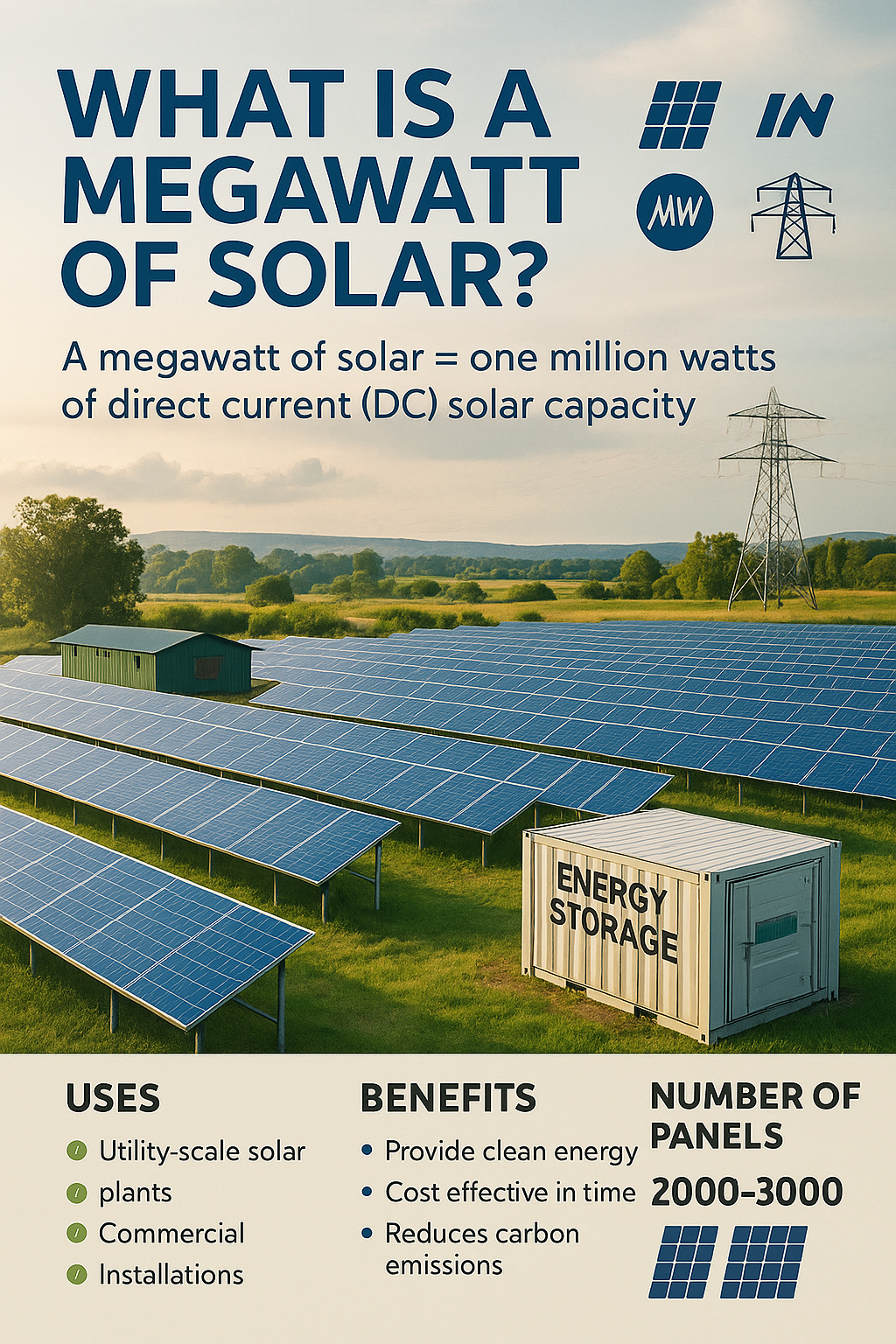
A megawatt solar is a unit of power equal to one million watts or 1,000 kilowatts (kW). In solar energy, 1 MW refers to the maximum potential output of a solar installation under ideal conditions. When someone says they have a 1 MW solar plant, it means that under peak sunlight, that plant can produce 1 MW of power at a given moment.

It’s important to note that solar panels don’t generate maximum power continuously throughout the day. Output varies based on sunlight, weather, and location. For this reason, solar energy output is often measured in megawatt-hours (MWh) over time.

How Much Energy Does 1 MW of Solar Produce?

On average, a 1 MW solar system can generate around 1,500 to 1,700 MWh of electricity per year, depending on location. That’s enough to power approximately 150 to 200 homes annually.

Energy production depends on:

  • Sunlight hours per day
  • Angle and orientation of panels
  • Temperature and climate conditions
  • Efficiency of the solar technology used

Benefits of MW Solar Power

  1. Clean and Renewable Energy

MW-scale solar installations harness the sun’s abundant energy to generate electricity without releasing carbon emissions or pollutants. Unlike fossil fuel power plants, which emit CO₂ and other harmful byproducts, solar systems offer a sustainable alternative that combats climate change and helps meet global emission reduction targets.

  1. Cost Efficiency at Scale

As solar projects scale up in size, the cost per watt of installation and operation decreases due to bulk purchasing, streamlined construction processes, and shared infrastructure. This makes MW solar power a financially attractive solution for utilities, businesses, and investors seeking strong returns and long-term energy savings.

  1. Grid Stability and Support

Large-scale solar farms can help stabilize the power grid by supplying electricity during peak demand periods. When paired with battery storage, MW solar systems can provide frequency regulation, load balancing, and voltage support. These capabilities are crucial for integrating more renewables into the energy mix while maintaining grid reliability.

  1. Economic Development

MW solar projects stimulate local economies by creating jobs in construction, engineering, and long-term operations and maintenance. They often bring infrastructure upgrades to rural areas and can provide landowners with stable income through lease agreements. Additionally, they contribute to local tax revenue and energy security, especially in underserved regions.

How Large Is a 1 MW Solar Farm?

A 1 MW solar farm typically requires around 4–6 acres of land, depending on panel type and spacing. It usually involves:

  • 3,000 to 4,000 solar panels
  • Ground-mounted or fixed-tilt systems
  • Inverters and transformers
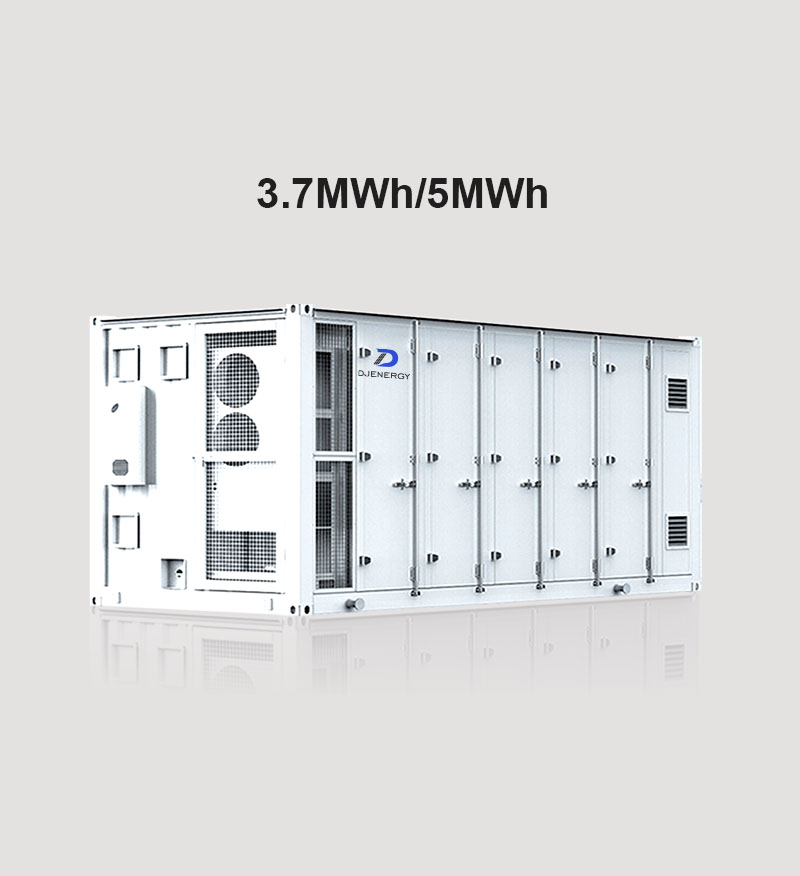
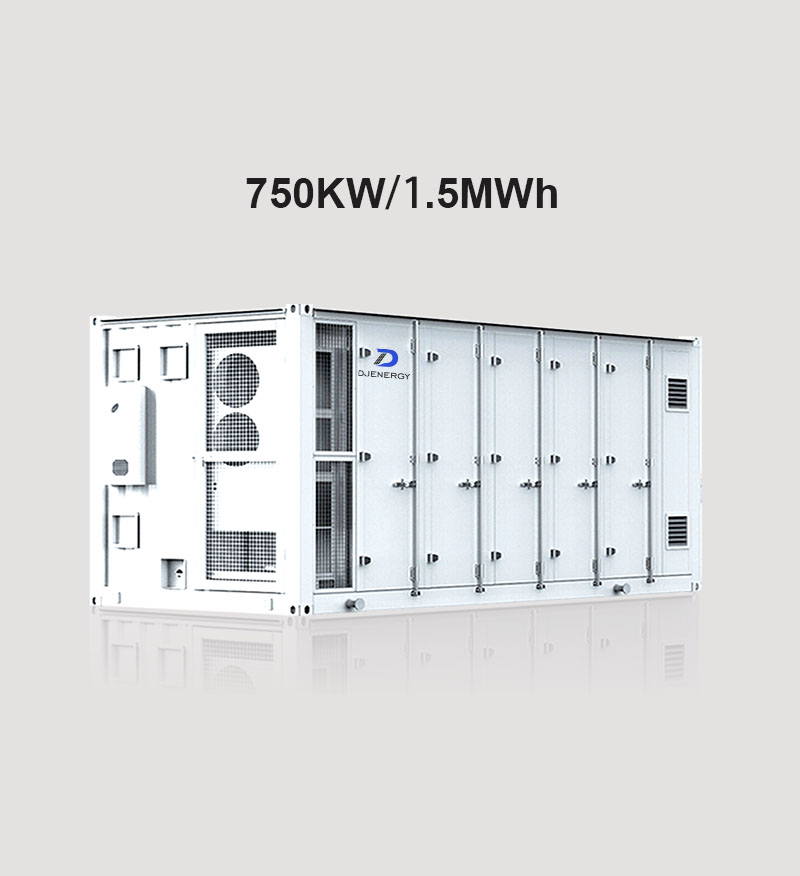
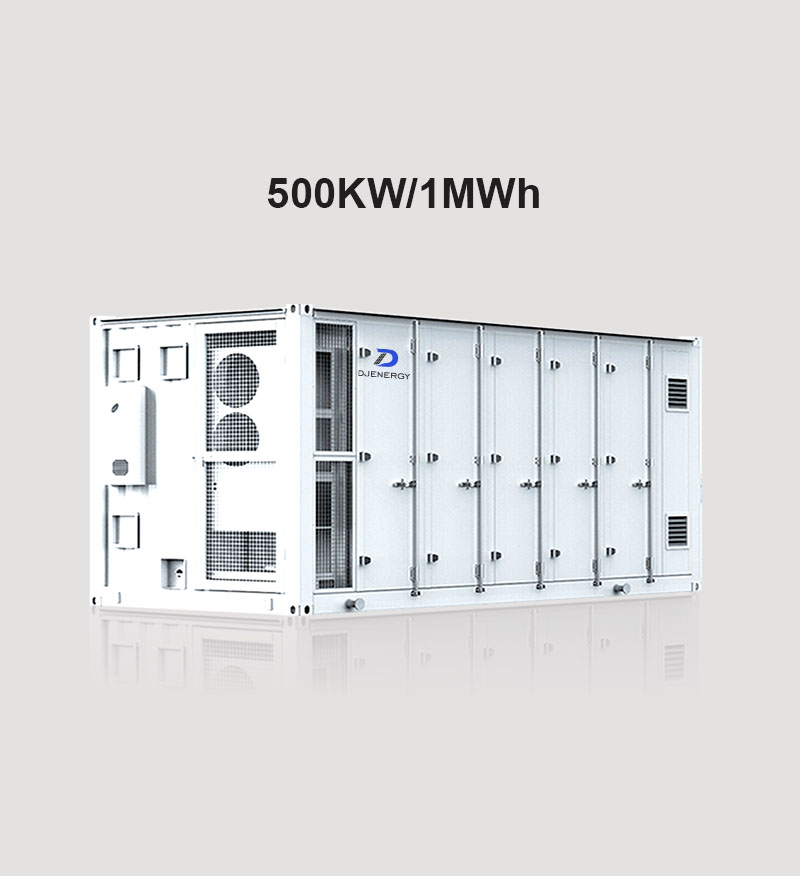
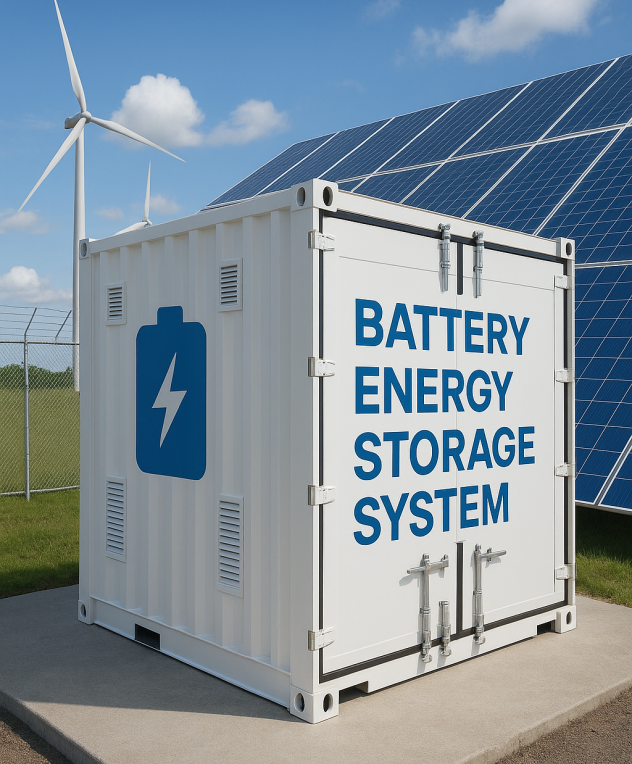
  • Optional battery storage systems

This scale is ideal for:

  • Small utility companies
  • Agricultural operations
  • Business parks
  • Community solar projects

Types of MW Solar Projects

MW solar power projects vary in scale, purpose, and structure. Each type is tailored to a specific user group, financial model, and energy goal. Understanding the differences helps developers, businesses, and policymakers make strategic decisions. 

  1. Utility-Scale Solar Farms

These are large solar power plants—typically several megawatts to hundreds of megawatts in capacity—that feed electricity directly into the utility grid. They are developed by energy companies and deliver power under long-term contracts such as Power Purchase Agreements (PPAs) to utilities, governments, or major corporations. These farms support regional energy demands and contribute significantly to national renewable energy targets.

Key Features:

  • Built on hundreds of acres
  • Ground-mounted tracking systems
  • Require grid interconnection and permitting
  • Often include battery storage for peak demand support
  1. Commercial and Industrial (C&I) Installations

Businesses such as factories, warehouses, and data centers install MW-scale solar to offset energy costs and reduce carbon footprints. These systems are typically mounted on rooftops or nearby land, sized to match a company’s peak usage.

Key Features:

  • 500 kW to several MW in size
  • Behind-the-meter configuration
  • May include demand response capabilities
  • Qualify for tax credits and depreciation benefits
  1. Community Solar Projects

Community solar allows multiple subscribers—often homeowners or renters—to share the benefits of a single MW-scale solar installation without needing rooftop access. Participants receive credits on their electric bills based on their share of the system’s output.

Key Features:

  • Hosted off-site but shared locally
  • Ideal for multifamily housing or renters
  • Increases solar access and equity
  • Managed by cooperatives or third-party providers
  1. Agricultural and Rural MW Projects

Farmers and rural cooperatives are increasingly installing MW-scale solar projects to power irrigation systems, processing facilities, and electric farm equipment. These setups can also generate revenue by selling excess electricity back to the grid.

Key Features:

  • Deployed on unused or marginal farmland
  • Designed to coexist with livestock or crops (agrivoltaics)
  • Reduces reliance on diesel generators
  • Provides a new income stream

Each of these MW solar project types serves different energy needs, economic structures, and environmental goals—but collectively, they form the foundation of a scalable, resilient clean energy future.

Cost of Building a 1 MW Solar Project

The cost of constructing a 1 MW solar power system typically ranges from $700,000 to $1.3 million. Several factors influence the final cost, including technology choices, site conditions, and financial incentives. Here’s a deeper look at the variables involved:

  1. Panel and Inverter Technology

High-efficiency monocrystalline panels cost more upfront but produce more electricity over time, potentially lowering levelized cost of energy (LCOE). Inverter choices also matter—central inverters are typically used for MW-scale installations, but string inverters or hybrid inverters may be used in certain configurations.

  1. Mounting System and Site Preparation

Fixed-tilt systems are more cost-effective but yield slightly less energy than single-axis tracking systems, which follow the sun’s path. Installation on flat land requires less grading and trenching, reducing construction expenses. Rocky or sloped terrain may increase both labor and material costs.

  1. Labor and Location-Specific Costs

Labor costs vary widely by region and labor market. Areas with strong solar industries may have lower installation costs due to competition and experience. Additionally, permitting, grid interconnection, and engineering fees can differ based on local regulations and utility requirements.

  1. Battery Storage Integration

Adding battery storage to a 1 MW system can significantly increase the initial cost but offers additional benefits like grid independence, peak shaving, and demand response capabilities. Depending on storage size and technology, batteries can add $300,000–$600,000 or more to the total project cost.

  1. Incentives and Tax Credits

Government programs and financial incentives can reduce the total cost by 20–30%. In the U.S., the Investment Tax Credit (ITC) currently provides a 30% deduction on solar installation costs. Additional local and state incentives, grants, or Renewable Energy Certificates (RECs) can further lower net expenses.

  1. Operation and Maintenance (O&M) Costs

Ongoing maintenance expenses for a 1 MW solar system generally range from $15 to $25 per kilowatt per year. These costs cover inspections, cleaning, inverter servicing, and monitoring software subscriptions. Proper O&M ensures high performance and protects long-term investment.

In conclusion, while the upfront investment for a 1 MW solar project can be substantial, long-term savings, energy independence, and environmental benefits make it an attractive choice for utilities, businesses, and developers.

As of recent estimates, building a 1 MW solar power system can cost between $700,000 to $1.3 million, depending on:

Panel technology and inverter types

Mounting system (fixed vs. tracking)

Location and labor rates

Inclusion of battery storage

Incentives and renewable energy credits can reduce net costs by 20–30% or more.

  1. Sample ROI and Payback Period

A well-designed 1 MW solar installation can save approximately $120,000 to $200,000 annually in electricity costs, depending on energy rates and system output. With incentives and optimized performance, the payback period for such a system typically falls between 5 to 8 years. Over its 25–30 year lifespan, the project could generate more than $3 million in energy savings, making it an attractive long-term investment for businesses, utilities, and developers.

The cost of constructing a 1 MW solar power system typically ranges from $700,000 to $1.3 million. Several factors influence the final cost, including technology choices, site conditions, and financial incentives. Here’s a deeper look at the variables involved:

Why MW Solar Power Matters

MW solar power represents a critical scale in the clean energy transition. It’s large enough to make a significant impact, yet manageable for businesses, communities, and utility programs. As technology improves and costs decline, MW-level solar projects are becoming more accessible and essential.

Whether you’re planning your own solar development or simply curious about how MW solar supports energy independence, understanding this unit of power helps put the future of renewables into perspective.


MW Solar

How-To: Develop a 1 MW Solar Power Project

Developing a 1 MW solar power project requires careful planning, technical precision, regulatory awareness, and financial insight. Below is a step-by-step overview expanded with key considerations, challenges, and recommendations

Step 1: Site Selection

Identify land with good solar exposure—ideally south-facing and free from obstructions like buildings or trees. Soil quality and topography should allow for cost-effective construction and minimal grading. Proximity to transmission infrastructure is essential to avoid high interconnection costs.

Step 2: Feasibility Study

Conduct a detailed feasibility analysis including: • Solar irradiance data (Global Horizontal Irradiance/GHI) • Utility interconnection options and capacity • Local zoning laws and land use permits • Environmental and wildlife impact assessments • Cost-benefit and ROI modeling Engage with local stakeholders early in the process to secure community support and smooth permitting.

Step 3: Design and Engineering

Collaborate with experienced solar engineers to: • Design the optimal system layout • Choose between fixed-tilt or single-axis tracking systems • Select high-efficiency panels and inverters • Calculate the system’s expected performance ratio (PR) and capacity factor Detailed engineering drawings and performance modeling tools like PVSyst should be used to validate output and identify potential losses.

Step 4: Financing and Incentives

Secure funding through a mix of: • Private equity or debt financing • Federal investment tax credits (ITC) • Renewable Energy Certificates (RECs) • Local grants or green loan programs • Power Purchase Agreements (PPAs) with utilities or corporations Financial models must include capital expenditure (CAPEX), operational expenditure (OPEX), and levelized cost of energy (LCOE) to ensure profitability.

Step 5: Installation and Commissioning

Select a certified EPC (engineering, procurement, construction) firm. Installation phases typically include: • Site preparation and fencing • Mounting structure installation • Panel and inverter placement • Electrical connections and grid tie-in Post-installation testing includes insulation resistance, string testing, performance validation, and commissioning with local utility authorities.

Step 6: Operation and Maintenance (O&M)

After commissioning, ensure ongoing performance by: • Cleaning panels quarterly or as needed • Performing routine inverter and transformer checks • Monitoring output with real-time analytics • Addressing system alerts and faults promptly Implementing a predictive maintenance plan can reduce downtime, extend system life, and maximize annual energy yield. A well-executed 1 MW project can generate clean energy for over 25 years, offer strong returns, and contribute meaningfully to climate and sustainability goals.

What permits are required for a 1 MW solar project?

Permitting requirements vary by location but typically include zoning approval, building permits, electrical permits, and environmental impact assessments. Developers may also need approval from local utility providers and interconnection agreements to feed energy into the grid. In some regions, special use permits and community outreach are required, especially for larger or utility-scale installations. Consulting local regulatory authorities early in the process can help avoid costly delays.

Can MW solar systems include tracking technology?

Yes, many MW-scale solar installations incorporate tracking systems to maximize energy production. Single-axis trackers follow the sun from east to west, increasing output by 15–25%, while dual-axis systems adjust both tilt and rotation for even greater gains. Although more expensive upfront and requiring more maintenance than fixed-tilt systems, tracking technology can significantly improve return on investment in high-sunlight areas.

How many homes can a 1 MW solar plant power?

A 1 MW solar installation can typically power between 150 and 200 average U.S. homes annually. This range depends on location-specific solar irradiance and average household consumption. In sunnier regions like California or Arizona, output will be higher than in cloudier areas. Energy-efficient homes may require less than 5,000 kWh per year, increasing the number of homes one MW system can support.

What is the difference between MW and MWh?

MW (megawatt) is a unit of power, representing capacity or the rate of energy production or usage at a specific moment. MWh (megawatt-hour), on the other hand, is a unit of energy and measures the total amount of electricity produced or consumed over time. For instance, if a 1 MW solar array operates at full capacity for 1 hour, it produces 1 MWh of energy.

Can MW solar be used off-grid?

Yes, MW-scale solar can be deployed off-grid, though it requires robust battery storage and possibly diesel backup generators to ensure uninterrupted power. These setups are particularly beneficial for remote villages, military bases, mining operations, and island communities. Careful planning of storage and load management is essential to balance energy production with consumption throughout the day and night.

Is MW solar viable for small businesses?

While 1 MW may exceed the needs of a single small business, many participate in shared MW systems or community solar projects. Alternatively, some mid-sized manufacturing or commercial facilities with high energy demands install their own MW-scale systems to reduce electricity costs, meet sustainability goals, and gain energy independence. Tailored financing options like leasing or PPAs can make such projects feasible even for smaller entities.

How long does a 1 MW solar system last?

A typical MW-scale solar system has a lifespan of 25 to 30 years. Over time, panel efficiency may degrade at a rate of 0.3% to 0.8% per year. However, inverters and batteries (if included) may need replacement after 10–15 years. With regular cleaning, inspections, and firmware updates, many systems continue to perform effectively and can be upgraded to extend operational life.

1 Comment

  • Understanding MW capacity really helps put the scale of solar farms into perspective. More content like this can really help bridge the gap between technical concepts and how they apply to everyday energy use.

Comments are closed.