

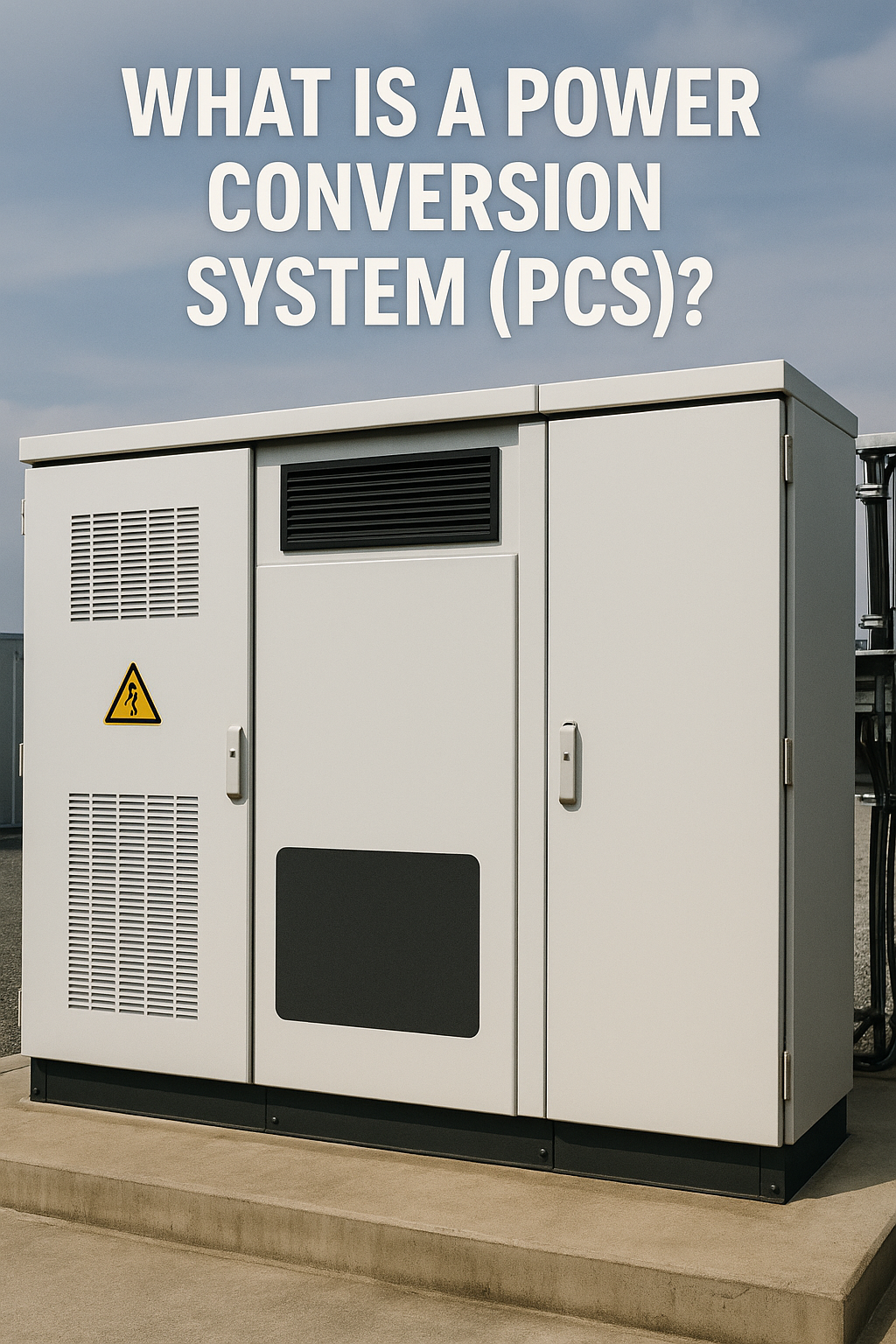
What Is a Power Conversion System
Why Power Conversion System PCS Matter
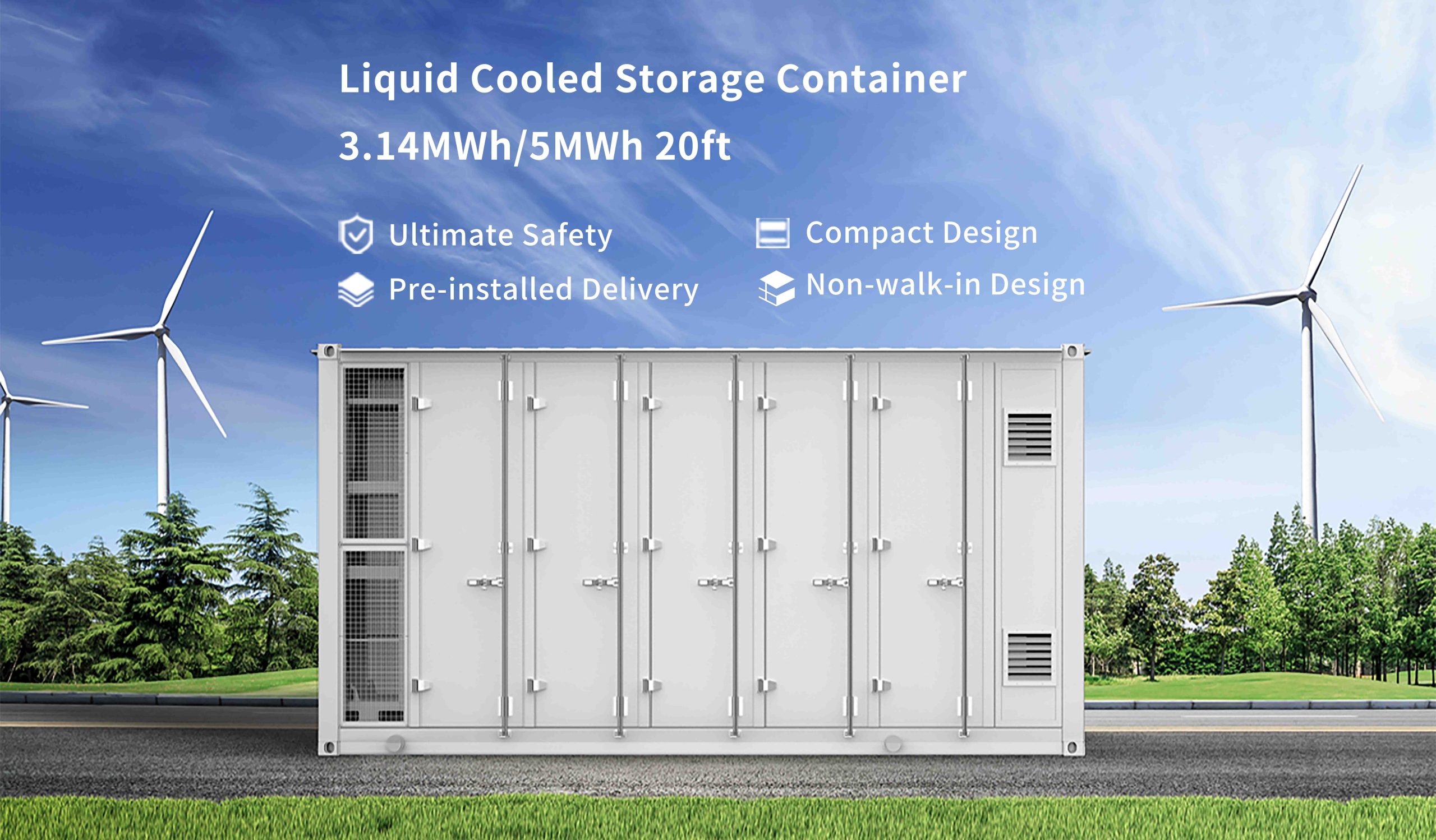
In today’s world of smart energy infrastructure, integrating renewable energy sources like solar and wind with energy storage and grid systems requires reliable and flexible technology. That’s where a Power Conversion System (PCS) comes in. Often used in battery energy storage systems (BESS), electric vehicle infrastructure, and microgrids, PCS units are critical for converting and controlling electrical energy efficiently.
In this blog, we’ll explain what a PCS is, how it works, its main features, and why it’s essential for modern energy systems.
“A Simple Guide for Energy Applications“
What Is a Power Conversion System (PCS)?
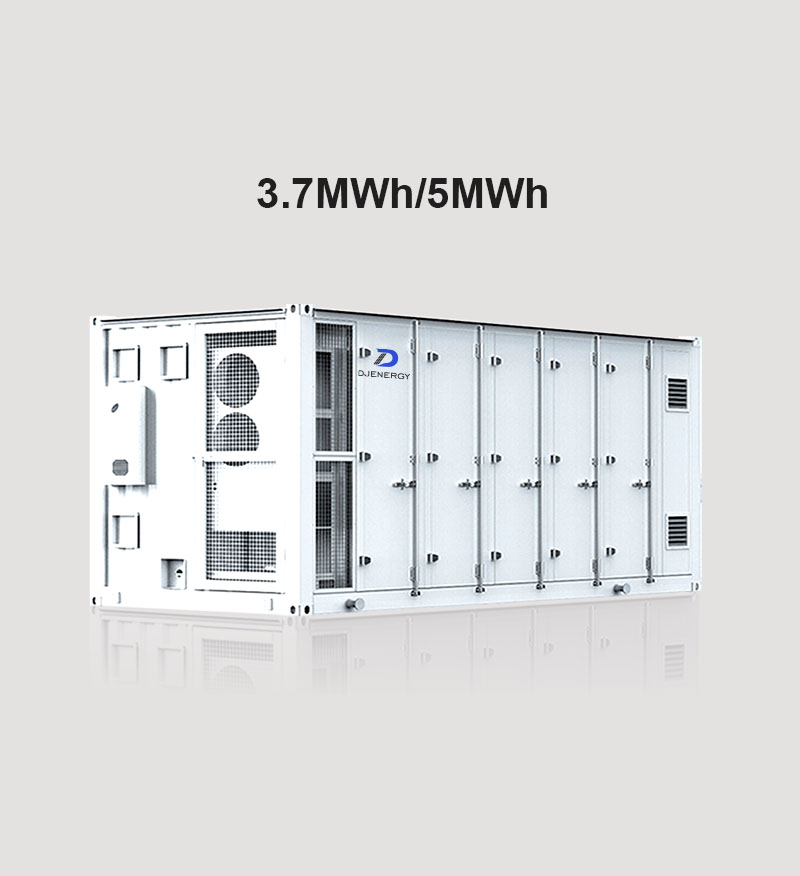
A Power Conversion System (PCS) is an advanced device or system that transforms electrical energy from one form to another to ensure compatibility across various parts of an energy network. At its core, PCS serves as a two-way energy bridge between DC (direct current) and AC (alternating current) systems. It is a key enabler of hybrid power solutions, particularly in renewable energy applications such as solar PV, wind turbines, and battery energy storage systems (BESS).
The core function of a PCS is bi-directional power conversion:
- From DC to AC (inversion) so that solar-generated power or battery-stored energy can be fed into the grid or used by AC loads.
- From AC to DC (rectification) to allow grid or generator power to charge battery banks or supply DC infrastructure.
But a PCS goes far beyond simple energy transformation. It integrates intelligent control algorithms, protective relay systems, and real-time communication protocols, enabling it to manage power quality, frequency, voltage, load balancing, and emergency shutdown procedures.
As an integral part of modern energy systems, PCS technology supports:
- Seamless energy integration between renewable sources and utility grids.
- Advanced load management in commercial and industrial (C&I) power setups.
- Rapid energy dispatch and black-start capabilities during grid outages.
PCS units are found across diverse sectors including smart cities, off-grid systems, EV charging networks, and critical infrastructure where energy resilience and flexibility are essential.
A Power Conversion System (PCS) is an integrated hardware and software system that converts electrical energy from one form to another—typically from direct current (DC) to alternating current (AC) and vice versa. This makes it a crucial component in hybrid energy systems where battery storage, solar panels, and the utility grid must work together.
PCS systems manage:
- DC to AC conversion (inversion)
- AC to DC conversion (rectification)
- Voltage control and frequency regulation
- Bi-directional power flow
They are found in applications such as:
- Grid-tied battery storage systems
- Hybrid solar + storage solutions
- Wind and solar farms
- EV fast charging stations
- Microgrids and backup power setups
Key Features of a Power Conversion System
A well-designed Power Conversion System (PCS) offers a robust suite of features that enhance energy flexibility, operational efficiency, and grid compatibility. Here’s a breakdown of the core functionalities:
- Bi-directional Power Conversion: Supports both DC to AC (inversion) and AC to DC (rectification), enabling seamless two-way energy flow for charging and discharging batteries or supplying loads.
- High Efficiency Ratings: Most PCS units deliver conversion efficiencies exceeding 96%, which reduces energy loss and boosts overall system performance. This is especially important for renewable applications where every watt counts.
- Advanced Communication Protocols: Compatible with industry-standard interfaces such as Modbus, CANbus, Ethernet, and RS485 for integration with Energy Management Systems (EMS), Battery Management Systems (BMS), and SCADA platforms.
- Grid Support Functions: Delivers functions like reactive power compensation, voltage and frequency stabilization, anti-islanding, and active power curtailment—essential for utility-scale deployment and grid stability.
- Real-Time Monitoring and Diagnostics: PCS platforms come equipped with embedded software that tracks live power flow, fault alerts, temperature control, and system logs. Web portals and mobile apps provide remote monitoring and control.
- Black-Start and Islanding Capability: Some PCS models enable systems to restart independently after a blackout (black-start) and maintain off-grid operation (islanding) for critical loads.
- Multi-Mode Operation: Automatically switches between grid-tied, off-grid, and backup power modes depending on system requirements, enhancing energy security.
Types of PCS Configurations
Below is a quick comparison table to help visualize the strengths and best-fit scenarios for each PCS configuration type:
Configuration Type | Description | Key Benefits | Best For |
Centralized PCS | A single large unit managing site-wide conversion | Simplified control, lower upfront cost for large projects | Utility-scale solar farms, large BESS deployments |
Modular PCS | Multiple smaller units working in parallel | Redundancy, scalability, easy maintenance | Commercial buildings, EV charging hubs, distributed energy systems |
Hybrid PCS | Integrates solar, battery, and grid into one platform | Multi-source control, energy independence, backup support | Microgrids, off-grid systems, rural electrification, remote telecom |
This table can be used as a reference when designing or scaling an energy system, offering clarity on the role each PCS configuration can play depending on the application context.
Selecting the right PCS configuration depends on system design, scale, energy source diversity, and performance goals. Here are the main types explained in detail:
- Centralized PCS
A single, large PCS unit is used to manage power conversion for an entire site. These systems are:
- Best for utility-scale projects where space and system simplicity are top priorities.
- Cost-effective per watt in large capacities due to economies of scale.
- Easier to monitor and control from a central interface. However, centralized systems have limited redundancy—if the PCS fails, the whole system is impacted.
- Modular PCS
Modular systems consist of several smaller PCS units operating in parallel. These offer:
- High redundancy and fault tolerance—if one module fails, others keep working.
- Flexible scaling, ideal for growing C&I sites.
- Simpler maintenance, as individual modules can be serviced or replaced independently. They’re suited for commercial buildings, EV charging stations, and distributed energy resources (DERs).
- Hybrid PCS
Hybrid PCS units combine multiple power functions, including solar PV, battery storage, and grid-tied operations in one system:
- Ideal for off-grid and microgrid environments.
- Capable of source prioritization, like using solar during the day and batteries at night.
- Supports multiple energy flows simultaneously, optimizing system responsiveness and energy security. These systems enable energy independence in rural, island, or emergency backup applications.
PCS vs Inverter: What’s the Difference?
While often used interchangeably, a PCS is more comprehensive than a basic inverter:
Feature | PCS | Inverter |
Converts AC ↔ DC | Yes (bi-directional) | Usually one-way (DC to AC) |
Battery Integration | Built-in control and communication | May require external components |
Grid Functions | Advanced support (voltage, freq) | Basic synchronization |
Applications | BESS, EV charging, microgrids | Solar PV systems |
Applications of Power Conversion Systems
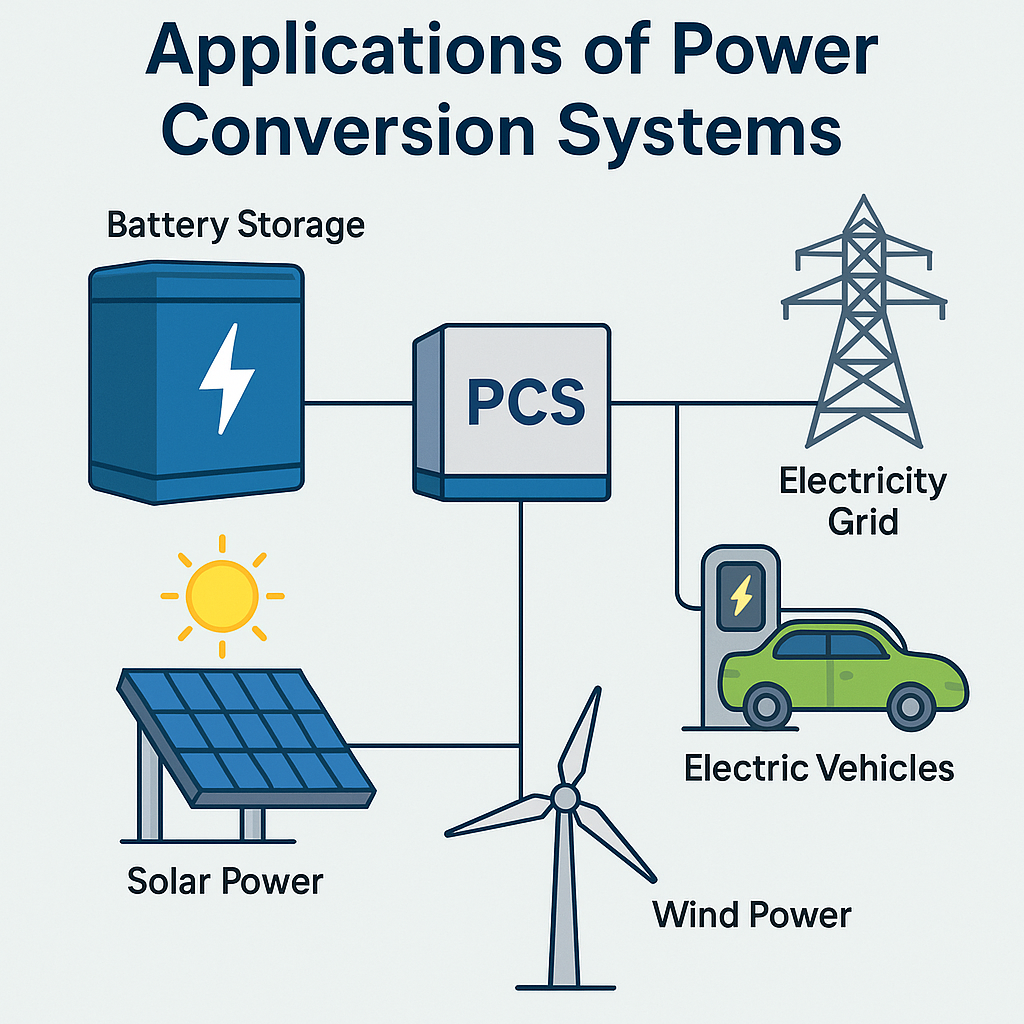
Power Conversion Systems (PCS) play a foundational role in managing and optimizing power flow across various energy technologies. Their versatility makes them valuable in both grid-connected and off-grid scenarios. Here’s a closer look at where PCS technology is most impactful:
- Battery Energy Storage Systems (BESS): In grid-scale and commercial BESS deployments, PCS units manage charge and discharge cycles, regulate voltage and frequency, and enable grid services like frequency response, peak shaving, and load balancing.
- Solar + Storage Systems: In residential, commercial, and utility-scale solar energy systems, PCS ensures seamless energy conversion between DC solar panels, AC grid supplies, and battery storage, facilitating time-of-use optimization and energy independence.
- Electric Vehicle (EV) Charging Infrastructure: High-powered EV charging stations use PCS to convert grid AC power into DC for fast charging. They also support bi-directional vehicle-to-grid (V2G) operations in smart charging networks.
- Wind Power Systems: PCS converts the variable AC output from wind turbines into grid-stable power and can coordinate energy flow with storage systems in hybrid wind + battery setups.
- Industrial Power Conditioning: PCS helps stabilize voltage and reduce harmonic distortion in power-sensitive environments like manufacturing plants, semiconductor facilities, and data centers.
- Off-Grid and Remote Microgrids: In isolated or rural communities, PCS enables smart coordination between diesel generators, solar arrays, battery banks, and loads, delivering reliable power with reduced fuel consumption.
- Telecom and Emergency Backup Systems: PCS ensures uptime by maintaining consistent voltage output and supporting uninterruptible power supply (UPS) modes in critical applications.
Benefits of Power Conversion Systems
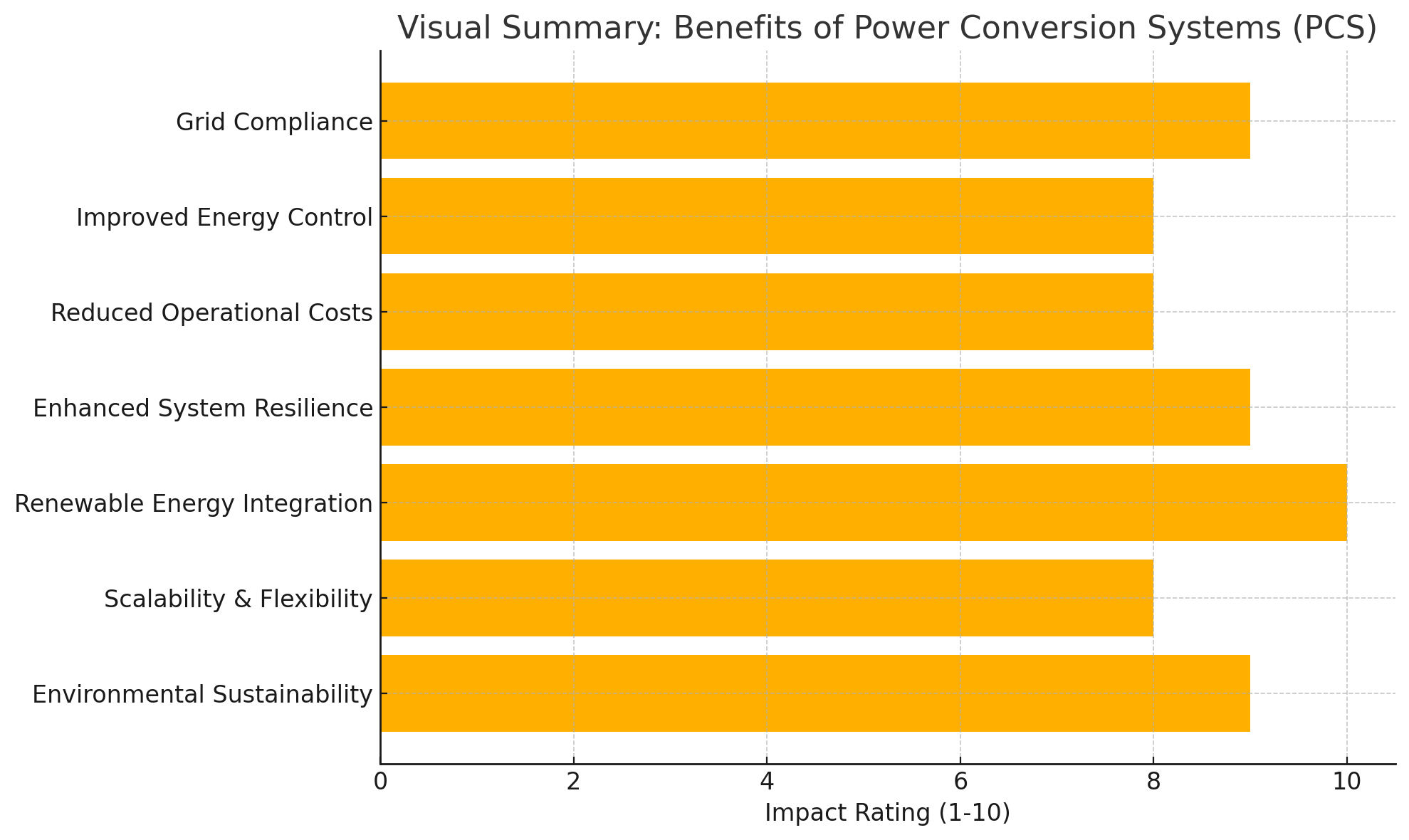
Power Conversion Systems (PCS) offer significant operational and strategic benefits across various energy environments. Their role extends beyond power conversion to improving system resilience, efficiency, and long-term return on investment. Here’s a more detailed look at the benefits:
- Grid Compliance: PCS enables systems to meet stringent grid interconnection requirements, including voltage regulation, anti-islanding, and frequency control. This ensures smooth operation within national or regional utility frameworks.
- Improved Energy Control: PCS systems allow dynamic energy management. Users can prioritize loads, perform time-of-use shifting, and enable demand-side response. This is particularly beneficial in commercial and industrial setups aiming to reduce demand charges.
- Reduced Operational Costs: By minimizing energy losses during conversion and enabling smarter load management, PCS contributes to significant energy savings over time. It also reduces reliance on diesel generators in off-grid systems.
- Enhanced System Resilience: PCS enhances resilience through features like islanding, black-start capabilities, and automatic load shedding. These functionalities are critical during power outages or in microgrid scenarios where consistent uptime is essential.
- Renewable Energy Integration: PCS serves as the interface between variable renewable energy sources (like solar and wind) and the stable grid. It manages variability, ensures consistent output, and facilitates hybrid configurations involving batteries or diesel generators.
- Scalability and Flexibility: Modular PCS designs enable phased system expansion and simple adaptation to changing energy needs. This is ideal for facilities with fluctuating energy profiles or evolving grid interaction goals.
- Environmental Sustainability: By enabling cleaner energy integration and minimizing energy waste, PCS supports sustainability targets and contributes to carbon reduction efforts, making it a vital tool for ESG-conscious businesses and public institutions.
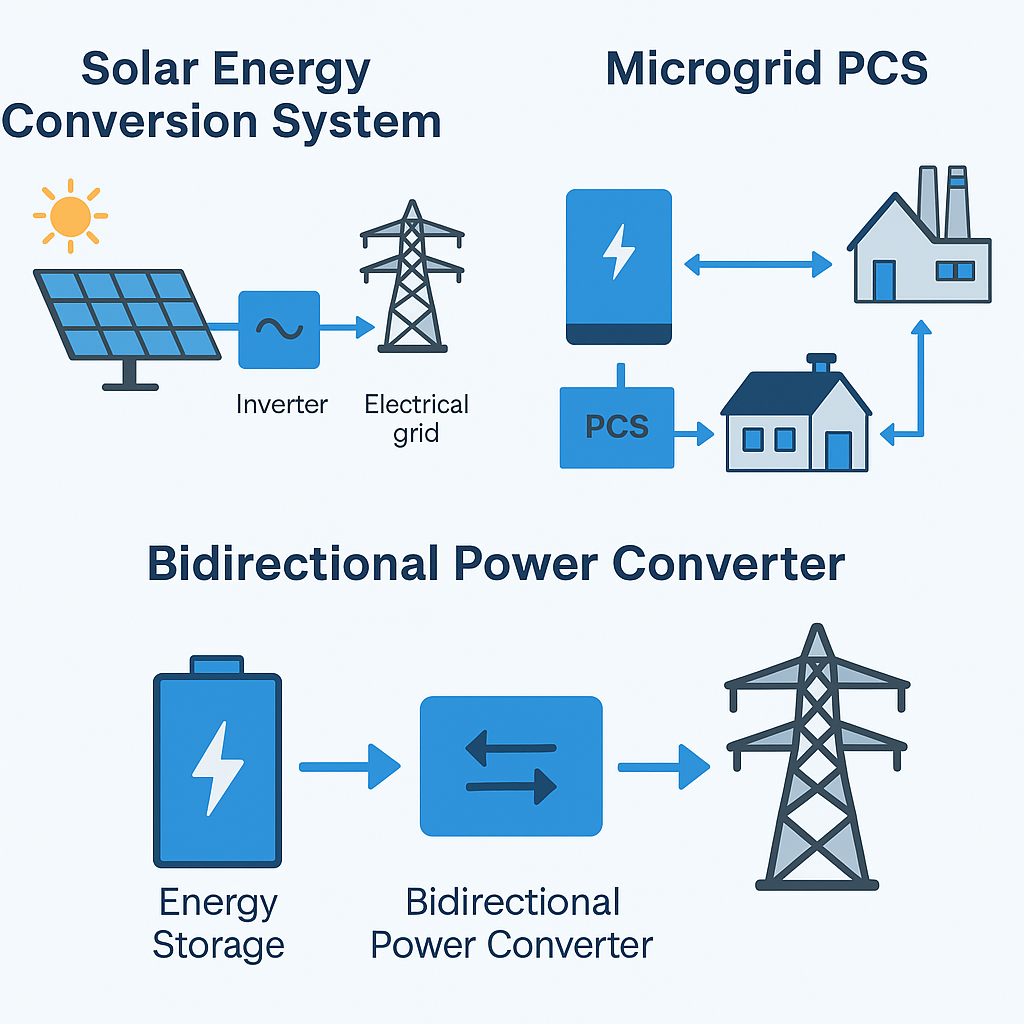
Solar Energy Conversion System
A solar energy conversion system integrates solar panels, batteries, inverters, and a Power Conversion System (PCS) to manage the flow and format of electricity. Solar panels generate DC power, which is then regulated and inverted by the PCS to feed AC loads or the grid. Advanced PCS solutions also manage hybrid inputs like solar + grid, ensuring consistent power delivery and efficient energy use. These systems are crucial in commercial solar plants, off-grid solar applications, and energy-as-a-service models.
Microgrid PCS
A microgrid PCS is designed to manage power flow within localized energy systems that operate both with and independently of the main grid. It handles energy inputs from solar, batteries, wind, diesel generators, or the grid itself. Microgrid PCS units provide seamless transition during outages (islanding), load balancing, and prioritization of renewable sources. They’re often used in campuses, military bases, island communities, and disaster-prone regions to maintain uninterrupted power.
Bidirectional Power Converter
A bidirectional power converter is a fundamental feature of PCS, enabling electricity to flow in both directions. In energy storage systems, this allows charging batteries from the grid or renewables and discharging stored energy back into the grid or load. Bidirectional converters enhance grid flexibility, support vehicle-to-grid (V2G) operations, and enable demand charge reduction in commercial setups. Their role is critical for dynamic energy systems that must adapt to fluctuating demand and generation.
Why PCS Is Critical to Modern Energy Systems
As the world shifts to decentralized and renewable energy, the Power Conversion System (PCS) acts as the brain and backbone of many clean energy technologies. It bridges gaps between AC and DC power, the grid and off-grid environments, and storage and demand.
For businesses, utilities, and communities aiming for smart energy independence, investing in high-quality PCS technology means greater efficiency, stability, and return on energy investments.
Power Conversion System (PCS): Step-by-Step Guide
Understanding how to operate or integrate a Power Conversion System (PCS) effectively is key to maximizing system efficiency and reliability. Below is a practical how-to approach:
Step 1: Identify Energy Sources and Loads
Begin by mapping out your energy sources—such as solar PV, grid supply, or wind—and your energy storage (e.g., lithium-ion battery) or load devices. This informs how your PCS should be configured.
Step 2: Install the PCS in the Correct Configuration
Depending on the application, choose between: • Centralized PCS for large-scale systems • Modular PCS for commercial flexibility • Hybrid PCS for handling multiple inputs like solar + battery + grid Ensure proper ventilation, secure mounting, and access for maintenance.
Step 3: Configure System Settings
Use the manufacturer’s software or web interface to: • Set voltage and frequency thresholds • Enable grid synchronization settings • Define charge/discharge cycles for batteries • Activate safety protocols and alarms
Step 4: Connect Inputs and Outputs
Connect the DC input terminals (from solar panels or batteries) and AC output terminals (to the grid or local loads). Use appropriate fuses, disconnect switches, and grounding per local electrical codes.
Step 5: Commission the PCS
Power on the system and run a full diagnostic. Check: • Input/output voltage levels • Communication with external controllers (EMS or BMS) • Real-time monitoring interface
Step 6: Monitor and Optimize
Once operational, use PCS monitoring tools to track: • Energy conversion efficiency • Grid services (if applicable) • Battery health and usage patterns Regularly update firmware and run periodic diagnostics to ensure optimal performance and system longevity. This hands-on approach helps ensure your PCS integrates smoothly with your energy infrastructure—whether you're stabilizing a microgrid or managing a commercial solar + storage system
Related Posts
1 Comment
Comments are closed.


Learn German
Great breakdown of why Power Conversion Systems (PCS) are essential in today’s renewable energy landscape. It’s easy to overlook the role PCS plays in bridging the gap between variable energy sources and stable power delivery—this post helped clarify that. I’d be curious to hear more about how PCS efficiency impacts overall system performance in long-term storage scenarios.