

What Is C&I Solar Commercial
As energy prices rise and sustainability becomes a top priority, businesses across the globe are turning to C&I solar solutions to cut costs and reduce their carbon footprint. But what exactly is C&I solar? Short for commercial and industrial solar, it refers to solar energy systems designed specifically for non-residential properties like factories, warehouses, offices, schools, shopping centers, and hospitals.
In this post, we’ll break down what C&I solar means, how it works, and why it’s one of the fastest-growing sectors in the renewable energy market.
“A Beginner’s Guide to Commercial and Industrial Solar Solutions“
What Is C&I Solar?
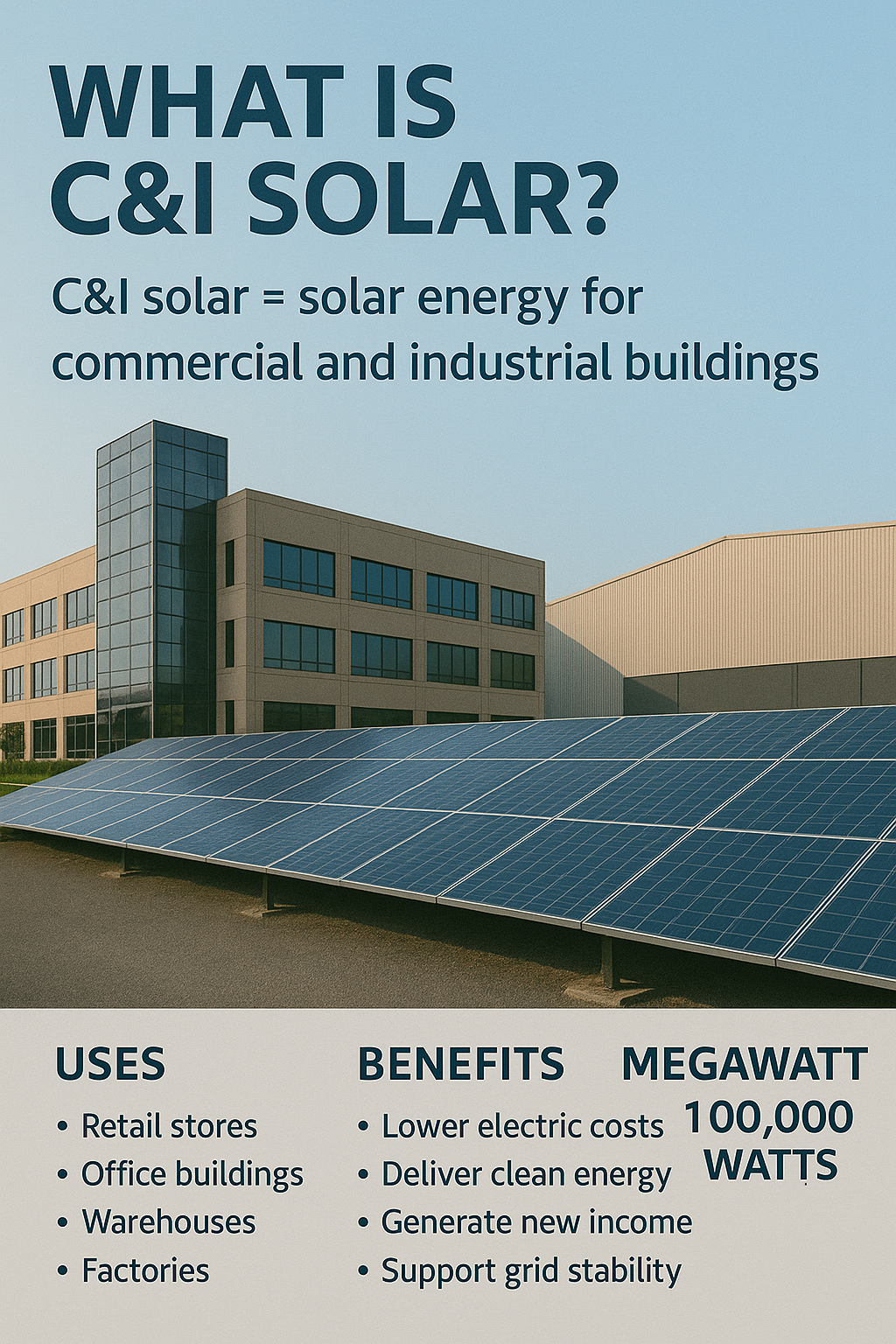
C&I solar stands for commercial and industrial solar energy systems. These systems are specifically designed to meet the higher electricity demands of businesses, institutions, and industrial operations. Unlike residential systems, which are generally sized to offset a single household’s energy usage, C&I systems are engineered to serve facilities with significantly larger power needs—ranging from tens of kilowatts to several megawatts (MW).
C&I solar installations can take many forms depending on available space and energy consumption patterns. Common configurations include:
- Rooftop Solar: Large, flat rooftops of warehouses, schools, or commercial buildings provide ideal surfaces for solar panel installations.
- Ground-Mounted Systems: Industrial parks, campuses, and farms often use adjacent land to deploy extensive ground-mounted PV systems.
- Solar Carports and Canopies: Parking structures offer dual functionality—providing shelter for vehicles and generating clean electricity simultaneously.
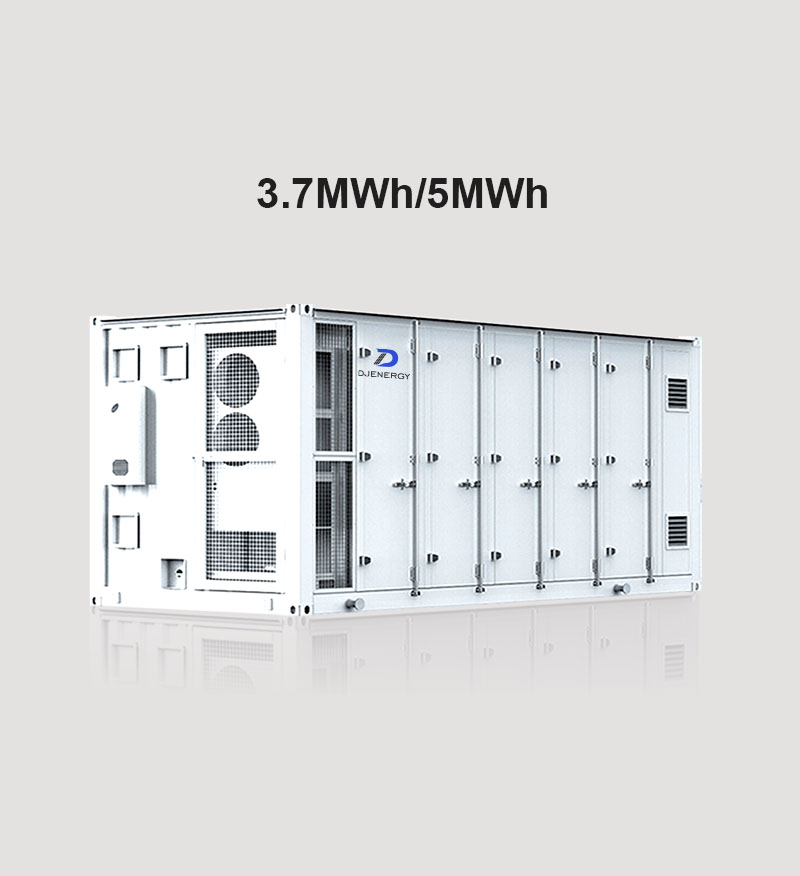
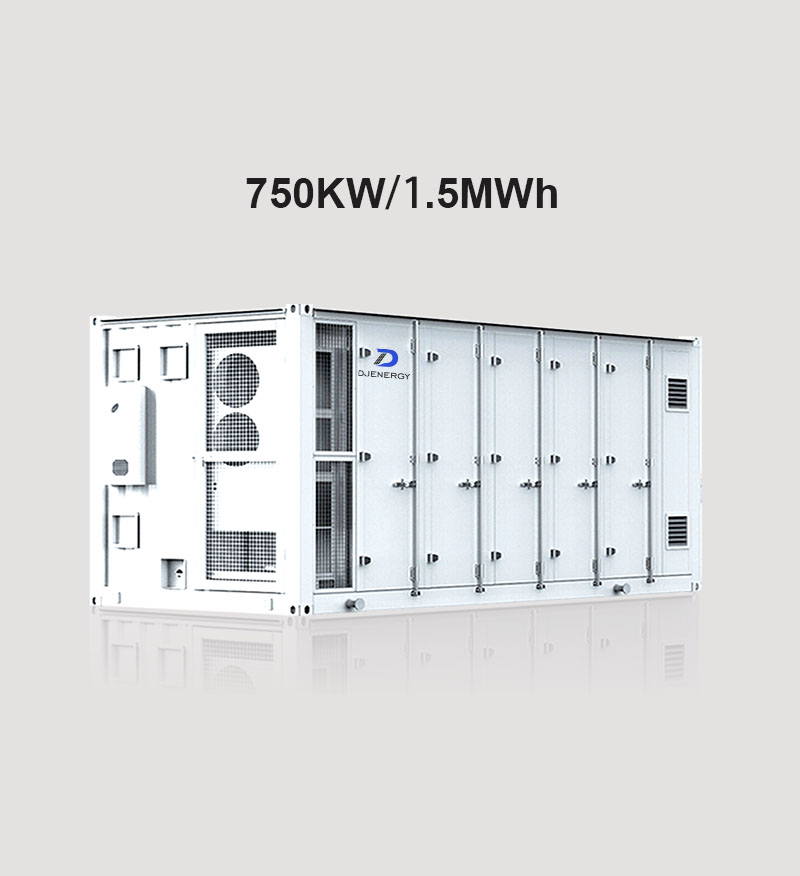
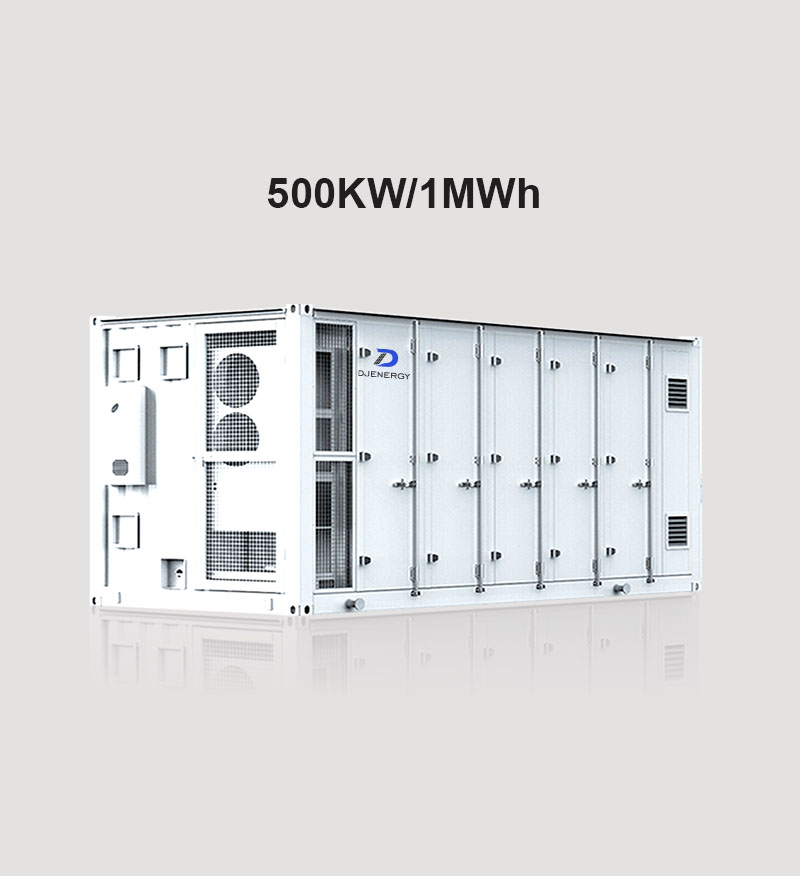
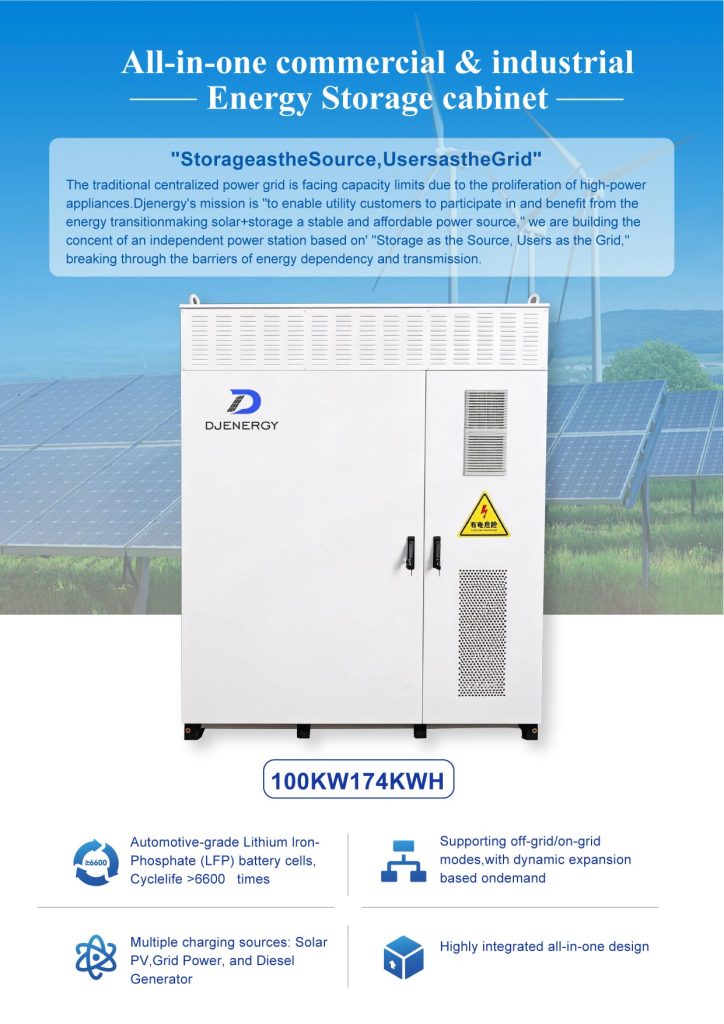
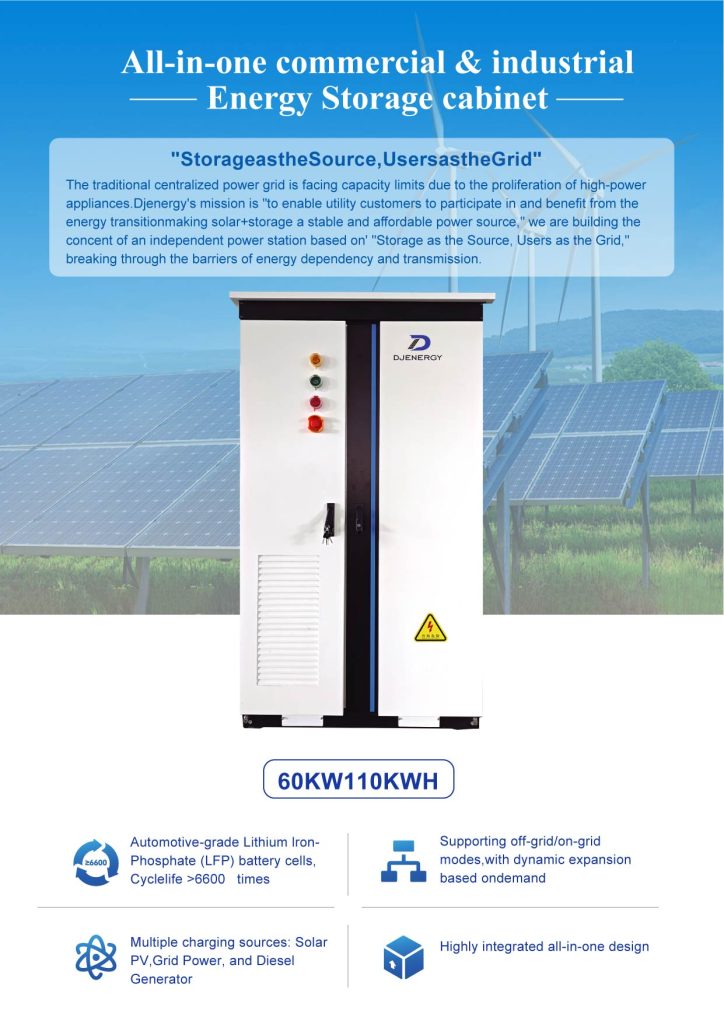
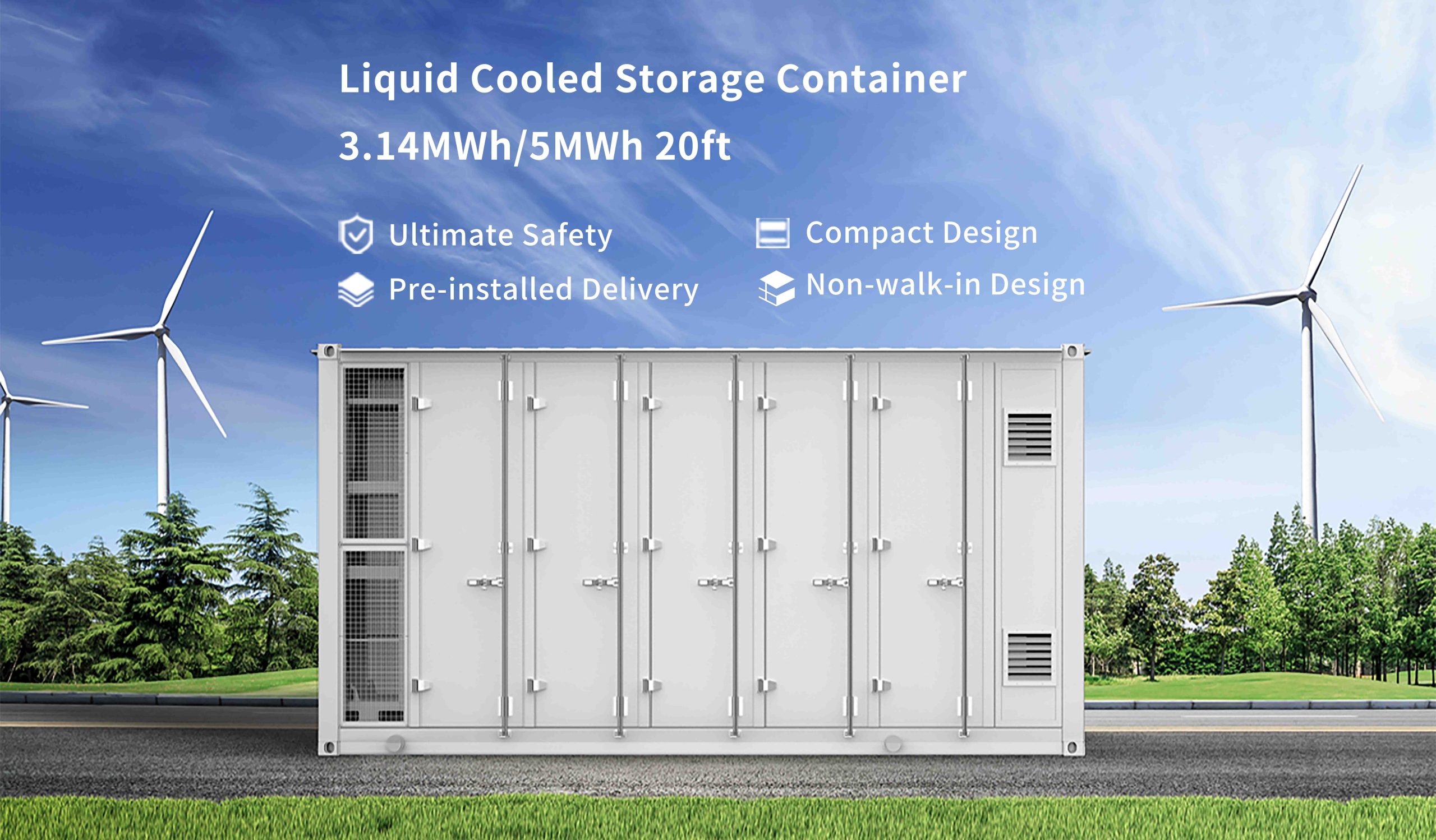
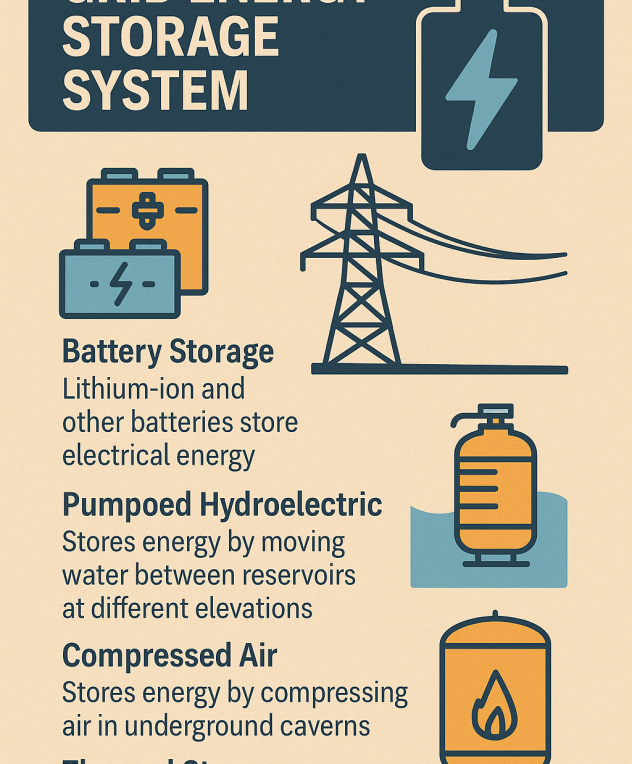
C&I solar projects are frequently integrated with the grid (grid-tied systems) but may also feature battery energy storage systems (BESS) for peak shaving, backup power, and enhanced energy management. These solutions help businesses reduce electricity costs, meet sustainability goals, and improve operational resilience.
Additionally, C&I solar systems can be part of microgrids or hybrid energy setups, combining solar with other renewable or backup energy sources to maximize reliability and control. As a scalable, high-impact solution, C&I solar is transforming how businesses and industries approach energy consumption and climate responsibility.
Key Benefits of C&I Solar Systems
- Lower Electricity Bills
With a properly sized solar installation, businesses can significantly reduce or even eliminate their monthly energy costs. Solar energy offsets electricity pulled from the grid, which is especially valuable during peak demand hours when utility rates are highest. Over time, this translates into thousands or even millions of dollars in savings for larger enterprises.
- Strong Return on Investment (ROI)
C&I solar systems provide a high ROI, often achieving full payback in just 3 to 7 years. With equipment warranties typically lasting 25 years or more, businesses can enjoy two decades of low-cost or free energy. The savings increase further when companies sell excess electricity back to the grid under net metering agreements.
- Tax Incentives and Rebates
Governments around the world support C&I solar adoption with financial incentives. In the U.S., the Investment Tax Credit (ITC) allows businesses to deduct 30% of the installation cost. Coupled with bonus depreciation and local rebates, these incentives significantly reduce upfront costs, improving project affordability and profitability.
- Sustainability Goals
Using solar power helps companies reduce their carbon footprint and meet environmental targets. This supports ESG (Environmental, Social, and Governance) reporting, enhances corporate reputation, and may attract environmentally conscious clients and investors. Many businesses use solar energy to meet LEED certification and sustainability standards.
- Energy Security and Independence
By producing their own electricity, businesses reduce reliance on unpredictable utility prices and grid disruptions. When paired with commercial battery storage, C&I solar systems provide backup power during outages, keeping operations running smoothly even during emergencies or peak grid failures.
- Long-Term Asset Value
C&I solar installations add tangible value to properties by reducing operating expenses and improving energy efficiency. This can increase the appeal of commercial properties to tenants and investors, making solar a strategic real estate enhancement in competitive markets.
Common Applications for C&I Solar
C&I solar systems are highly versatile and scalable, making them ideal for a wide range of non-residential properties and industries. These systems can be custom-engineered to meet specific energy demands, operational needs, and sustainability goals.
- Manufacturing Facilities: With large, flat rooftops and high daytime energy use, manufacturing plants are prime candidates for solar. These systems reduce utility bills, support 24/7 production schedules, and help meet carbon reduction goals.
- Retail Centers: Solar power reduces operational costs for malls, big-box stores, and strip centers. Solar carports and canopies provide shade and dual-use energy generation while enhancing customer appeal.
- Corporate Campuses: Large office complexes can lower overhead energy costs and demonstrate environmental leadership with rooftop solar, parking lot arrays, and integrated battery storage.
- Schools and Universities: Educational institutions benefit from long-term savings and educational opportunities through solar energy systems installed on rooftops, sports complexes, and parking lots.
- Agribusinesses: Farms and agricultural operations use solar to power water pumps, greenhouse lighting, refrigeration, and processing lines. Solar helps reduce fuel dependency and supports sustainable farming practices.
- Hospitals and Medical Centers: Solar installations ensure reliable backup power for life-saving equipment, emergency lighting, and HVAC systems. Solar plus storage boosts resiliency and lowers operating expenses.
- Warehouses and Distribution Centers: These facilities typically have large rooftop space and high power loads, making solar ideal for cutting energy costs and supporting logistics operations.
- Hotels and Resorts: Hospitality businesses use solar to offset energy use from HVAC, lighting, and amenities, often enhancing their green image and appeal to eco-conscious guests.
Each of these sectors can benefit from tailored C&I solar solutions that align with their unique energy profiles and business objectives.
C&I Solar vs Residential Solar
Feature | C&I Solar | Residential Solar |
System Size | 50 kW – 5+ MW | 3 kW – 20 kW |
Installation Area | Commercial rooftops, lots | Home rooftops |
Financing Options | PPAs, leases, direct purchase | Loans, leases, PPAs |
Utility Integration | Grid-tied, hybrid, off-grid | Grid-tied mostly |
Maintenance Needs | Professional O&M required | Low to moderate |
How Does a C&I Solar System Work?
A commercial and industrial C&I solar system functions by converting sunlight into usable electricity to meet the energy demands of a business or industrial facility. Here’s a step-by-step look at how these systems operate:
- Solar panels, usually installed on rooftops, carports, or ground arrays, capture sunlight and convert it into direct current (DC) electricity through the photovoltaic effect.
- An inverter (or multiple inverters in larger systems) then converts this DC electricity into alternating current (AC), which is compatible with standard electrical infrastructure used in commercial and industrial settings.
- The converted AC electricity is routed through the building’s electrical system and used to power machinery, HVAC systems, lighting, and office equipment—reducing the facility’s reliance on electricity from the utility grid.
- If the solar system generates more electricity than the building consumes at that moment, the excess energy is either exported back to the utility grid (in grid-tied systems) or stored in commercial battery energy storage systems (BESS) for use during peak demand or power outages.
Advanced C&I systems often include energy management software, which allows businesses to:
- Monitor solar production in real time
- Analyze usage patterns and optimize energy loads
- Minimize peak demand charges
- Improve overall system efficiency and maintenance scheduling
Some systems may also integrate with other renewable sources or backup generators to form hybrid energy systems or microgrids, enhancing energy resilience and cost control for mission-critical operations.
Commercial Solar Installation Process
Installing a commercial solar system involves several critical stages designed to ensure optimal energy performance, safety, and regulatory compliance. Here’s an overview of how the commercial solar installation process typically unfolds:
- Site Assessment and Feasibility Study
Engineers and solar consultants evaluate the property to assess roof condition, shading, orientation, available space, and electrical infrastructure. They also analyze historical energy usage and determine how much of the electricity bill can be offset with solar.
- System Design and Engineering
Solar experts design a tailored PV system using modeling software to forecast energy production. System sizing, panel layout, inverter placement, and wiring schematics are finalized. At this stage, developers also determine whether to include battery storage or EV charging integration.
- Permitting and Utility Approvals
Project teams prepare and submit all necessary applications for local building permits, fire code compliance, and interconnection agreements with utility providers. Regulatory timelines vary by region and utility.
- Procurement and Equipment Delivery
After approvals, the required materials—solar panels, inverters, racking systems, electrical gear, and optional batteries—are ordered and delivered to the site. Timely procurement is essential to stay on schedule.
- Installation and Electrical Work
Certified installers mount panels on rooftops, ground structures, or carports, connect wiring, install inverters, and tie the system into the building’s electrical system. All work is performed according to national electrical codes and safety standards.
- Inspection and Commissioning
The completed system undergoes inspection by local authorities and utility representatives. Once it passes, the system is energized (commissioned), and begins generating solar power for the facility.
- Monitoring and Maintenance Setup
Ongoing performance monitoring tools are activated, allowing for real-time visibility into system output and health. Routine maintenance plans ensure long-term reliability and efficiency.
This structured process ensures that each commercial solar installation meets the highest standards for safety, performance, and return on investment.
Top Technologies in C&I Solar Projects
Modern C&I solar systems are powered by advanced technologies that improve efficiency, reliability, and long-term performance. Below are the core technologies and innovations commonly integrated into today’s commercial and industrial solar projects:
- Monocrystalline Solar Panels: Known for their high efficiency and sleek appearance, these panels are ideal for maximizing power output per square foot. They are well-suited for businesses with limited rooftop or ground space.
- String and Central Inverters: Inverters convert DC electricity from solar panels into AC power. String inverters are used for small to mid-sized systems, while central inverters are preferred for large-scale installations. Both offer monitoring capabilities and can be paired with power optimizers.
- Solar Carports and Canopies: These structures serve dual purposes—providing shaded parking and generating clean electricity. They’re especially popular in retail centers, corporate campuses, and airports where roof space is limited.
- Battery Energy Storage Systems (BESS): Batteries store excess solar energy for use during periods of low generation or peak demand. This reduces reliance on the grid, cuts energy costs, and enhances backup power capacity.
- Monitoring & Analytics Platforms: Cloud-based platforms allow facility managers to track real-time performance, identify underperforming panels, predict maintenance needs, and optimize load management.
- Smart Energy Management Systems: These integrate data from solar, storage, and facility loads to reduce demand charges, automate energy use, and improve ROI.
- EV Charging Integration: Many C&I solar systems now include electric vehicle charging stations powered by onsite solar, supporting workplace sustainability initiatives.
Solar Energy for Commercial Buildings
Solar energy for commercial buildings is transforming the way organizations generate and manage electricity. These systems are designed to meet the unique needs of retail stores, office buildings, warehouses, medical facilities, and more—helping businesses take control of energy costs and sustainability goals.
- Building-Integrated Solar Solutions
Commercial properties benefit from a range of installation types, including rooftop arrays, solar facades, carports, and even building-integrated photovoltaics (BIPV) that double as structural materials. These solar designs not only reduce energy bills but also enhance property aesthetics and environmental performance.
- Operational Efficiency and Cost Savings
By generating electricity on-site, commercial buildings can reduce grid reliance, avoid peak-time energy charges, and manage overall consumption more efficiently. This is particularly impactful in facilities that operate during daylight hours, such as offices and retail spaces.
- Custom System Sizing and Load Matching
Each solar system is tailored based on building size, roof structure, energy usage patterns, and business goals. System size may range from 30 kW to multiple megawatts (MW), with added options like battery storage and EV charging depending on the site.
- Grid Connection and Net Metering
Most commercial solar installations are grid-tied, allowing buildings to feed excess energy back into the grid for credits—often through net metering programs. This offsets nighttime or cloudy-day consumption, further lowering energy costs.
- Increased Property Value and Market Appeal
Solar-equipped commercial buildings are increasingly attractive to tenants, investors, and sustainability-minded customers. Solar systems reduce operating expenses and can significantly raise the resale or lease value of a commercial asset.
Incorporating solar energy into a commercial building is not only a financial investment—it’s a long-term strategy for stability, compliance, and green leadership.
Battery Storage for Businesses
As energy demand fluctuates and grid instability becomes more common, many businesses are turning to battery energy storage systems (BESS) to maximize the value of their solar investment. When paired with commercial solar, battery storage offers operational, financial, and sustainability benefits.
- Peak Demand Reduction
Battery storage helps reduce utility costs by discharging stored energy during peak demand periods, when electricity rates are highest. This process—known as peak shaving—lowers demand charges and overall energy bills.
- Backup Power During Outages
BESS can provide uninterrupted power during blackouts or extreme weather events. This is particularly critical for data centers, hospitals, cold storage facilities, and other businesses that rely on consistent energy access.
- Enhanced Energy Independence
By storing excess solar energy onsite, businesses can reduce reliance on the utility grid and use their solar power even when the sun isn’t shining. This supports energy resilience and long-term savings.
- Grid Services and Incentives
In some markets, commercial batteries can participate in grid services programs like demand response or frequency regulation—generating new revenue streams. Additionally, battery storage may qualify for federal and state-level tax incentives.
- Environmental and Strategic Value
Storing clean energy aligns with sustainability goals and ESG reporting. It also prepares businesses for a future where time-of-use pricing and carbon accountability are more prevalent.
Battery storage for business is not just an add-on—it’s a strategic asset for energy optimization, reliability, and resilience.
How to Finance a C&I Solar System
C&I solar projects can be financed through:
- Power Purchase Agreements (PPAs): No upfront cost; pay only for electricity used.
- Solar Leases: Fixed monthly payments in exchange for system access.
- Loans and Bonds: Use borrowed capital to own the system and retain all benefits.
- On-Bill Financing: Pay via your utility bill over time.
- Direct Purchase: Pay upfront to own the system and claim all incentives.
Each model has different benefits depending on a company’s cash flow, tax profile, and long-term energy goals.
Is C&I Solar Right for Your Business?
Determining whether a C&I solar system fits your organization depends on a variety of operational, financial, and strategic factors. Here’s a more comprehensive way to assess suitability:
Facility Characteristics
- Do you have large, flat rooftops, open land, or expansive parking areas?
- Are your facilities owned rather than leased, or do you have long-term leases in place?
- Is your business in a region with strong solar irradiance?
Energy Consumption Profile
- Are your electricity bills consistently high due to heavy equipment or HVAC usage?
- Do your operations run during daylight hours when solar generation is highest?
- Are you subject to demand charges or time-of-use pricing?
Financial Readiness and Incentives
- Do you qualify for solar tax credits, rebates, or accelerated depreciation (like MACRS)?
- Are you interested in financing options such as PPAs or solar leases?
- Can your organization benefit from long-term energy cost stability?
Sustainability and Strategic Goals
- Are you pursuing ESG reporting, green certifications, or net-zero goals?
- Do you want to improve brand image by showcasing a commitment to clean energy?
- Are power outages a concern that could be addressed with solar + storage?
If you answered “yes” to most of the above, your business is likely a strong candidate for C&I solar. An energy audit and consultation with a qualified solar provider can offer more specific insights into system design, ROI, and implementation timeline.
Why C&I Solar Is the Future of Commercial Energy
With rising energy costs, growing environmental concerns, and strong financial incentives, C&I solar is no longer a luxury—it’s a competitive advantage. From reducing operational costs to achieving sustainability goals, commercial and industrial solar systems help businesses build a more resilient, eco-friendly future.
Whether you’re a small business or a global enterprise, embracing C&I solar power is a smart move toward energy independence and long-term savings.
What’s the difference between C&I solar and residential solar?
C&I solar refers to systems designed for businesses and industrial users, typically ranging from 50 kW to several megawatts. These systems support larger energy loads, often span rooftops, parking lots, or ground arrays, and may include storage, smart software, or EV charging integration. Residential solar is smaller, usually 3–20 kW, and serves individual homes.
How long does it take to install a C&I solar system?
Installation timelines vary by project size and complexity. For a mid-sized commercial system (100–500 kW), expect 3 to 6 months from initial site assessment to full commissioning. Larger or multi-site projects may take longer due to permitting, procurement, or utility interconnection processes.
Can C&I solar work during a power outage?
By default, grid-tied C&I solar systems shut down during outages to protect utility workers. However, when paired with battery storage or integrated into a microgrid, solar power can continue to operate critical systems during blackouts, improving energy security and operational continuity.
What financing options are best for commercial solar projects?
Popular options include Power Purchase Agreements (PPAs), solar leases, direct ownership, and commercial green loans. The best choice depends on a business’s tax appetite, cash flow, and long-term energy goals. Many companies opt for PPAs to avoid upfront costs while securing immediate savings.
Do solar panels require a lot of maintenance?
C&I solar systems are low-maintenance, with no moving parts. Routine cleaning, performance monitoring, and annual inspections are usually sufficient. Some businesses opt for professional operations and maintenance (O&M) contracts to ensure optimal system health and uptime.
Related Posts
1 Comment
Comments are closed.
Learn German
It’s interesting to see how C&I solar is not just about cutting energy costs, but also about companies making a broader commitment to sustainability. With rising energy prices, it seems like a smart investment for many businesses.