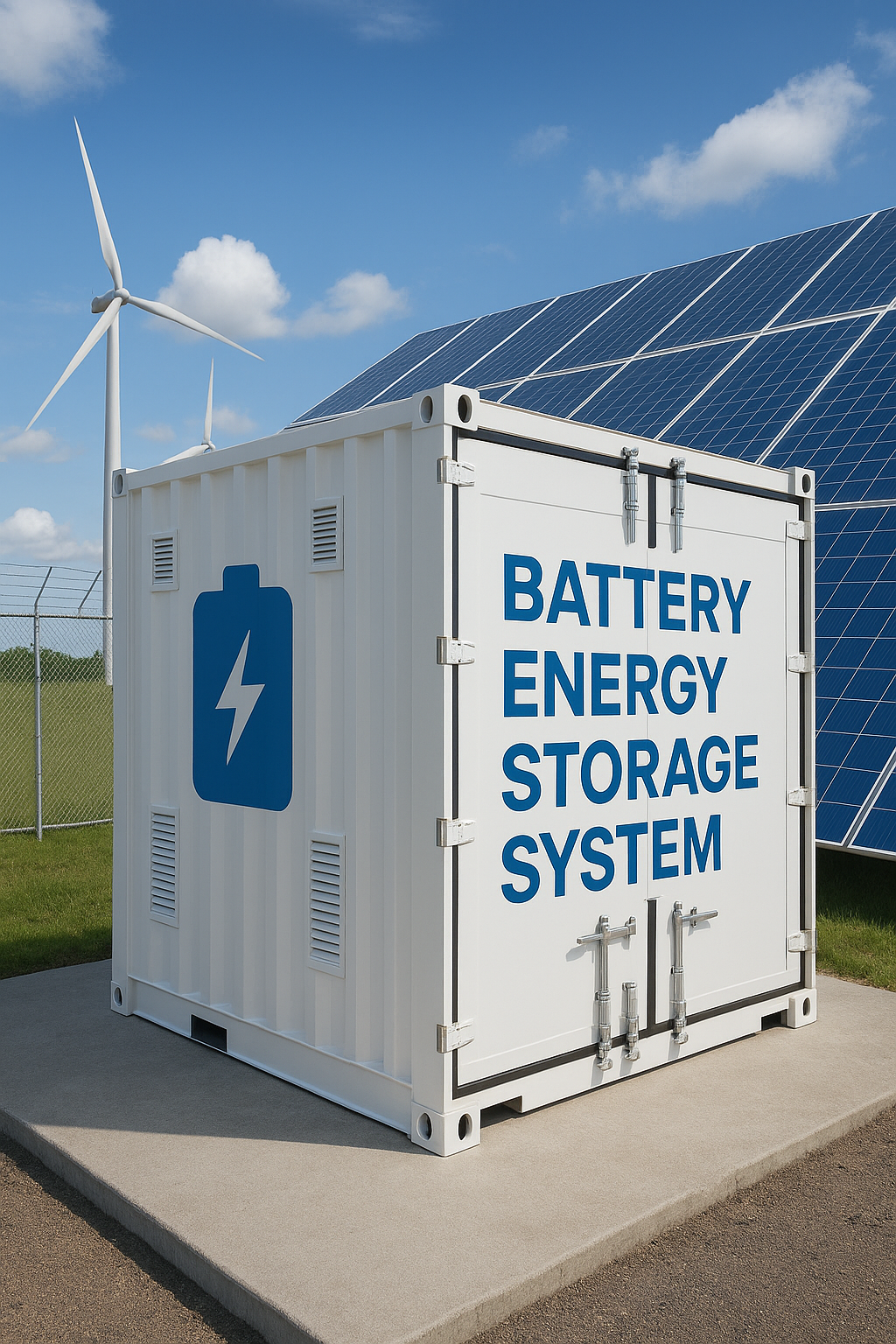
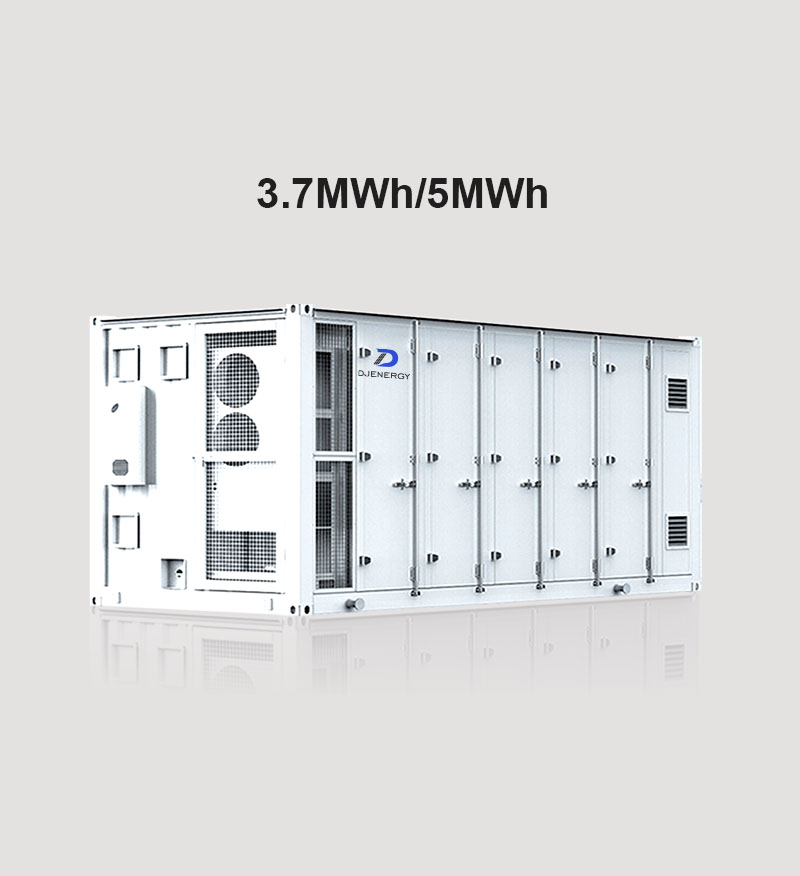
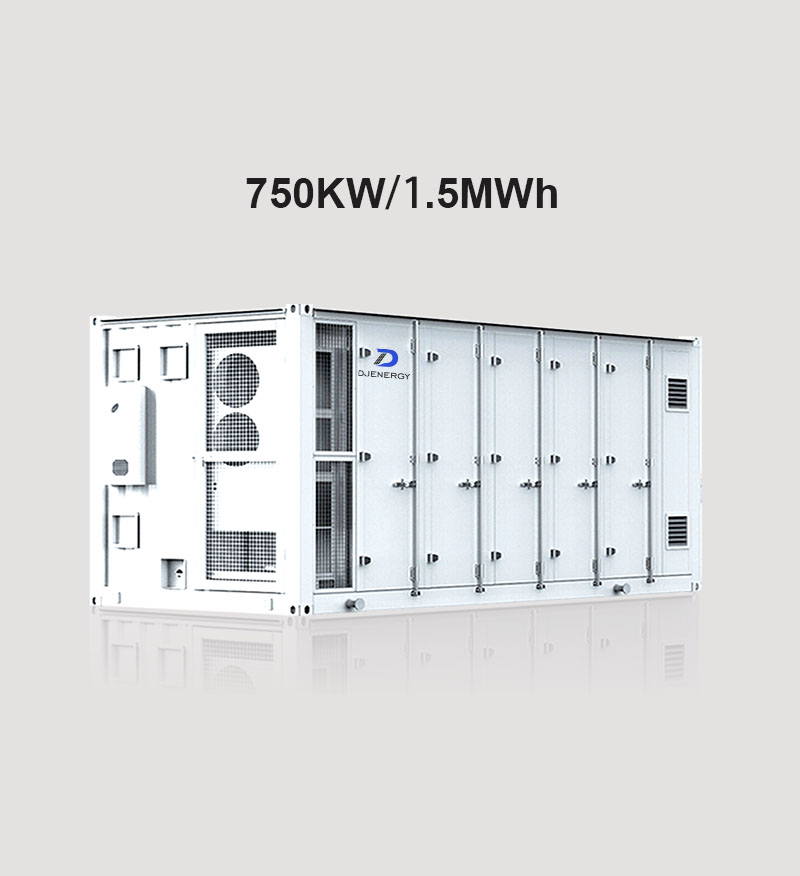
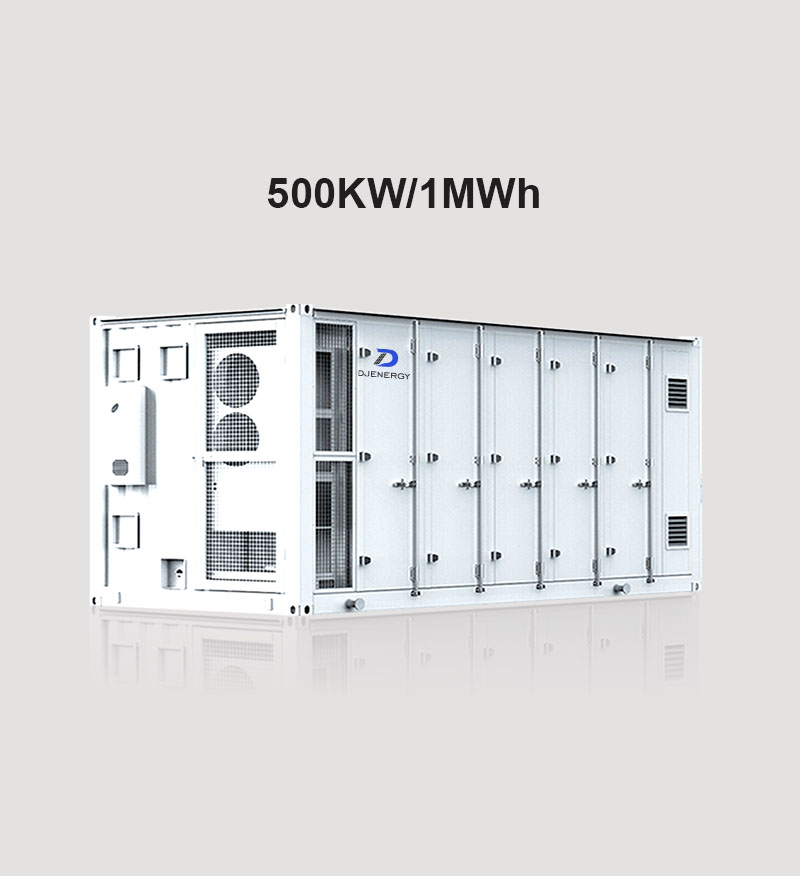
battery energy storage system bess

What’s the Battery Energy Storage System BESS

Introduction: Why BESS Matters Today

The world is moving toward clean energy faster than ever. But one big question remains: how do we store that energy for when we need it? That’s where BESS — Battery Energy Storage System — come in. If you’ve heard the term but aren’t quite sure what it means, or why it’s becoming such a hot topic, you’re in the right place. In this article, we’ll break down what BESS is, what makes it special, and why it’s crucial for the future of energy.

“BESS stands for Battery Energy Storage System

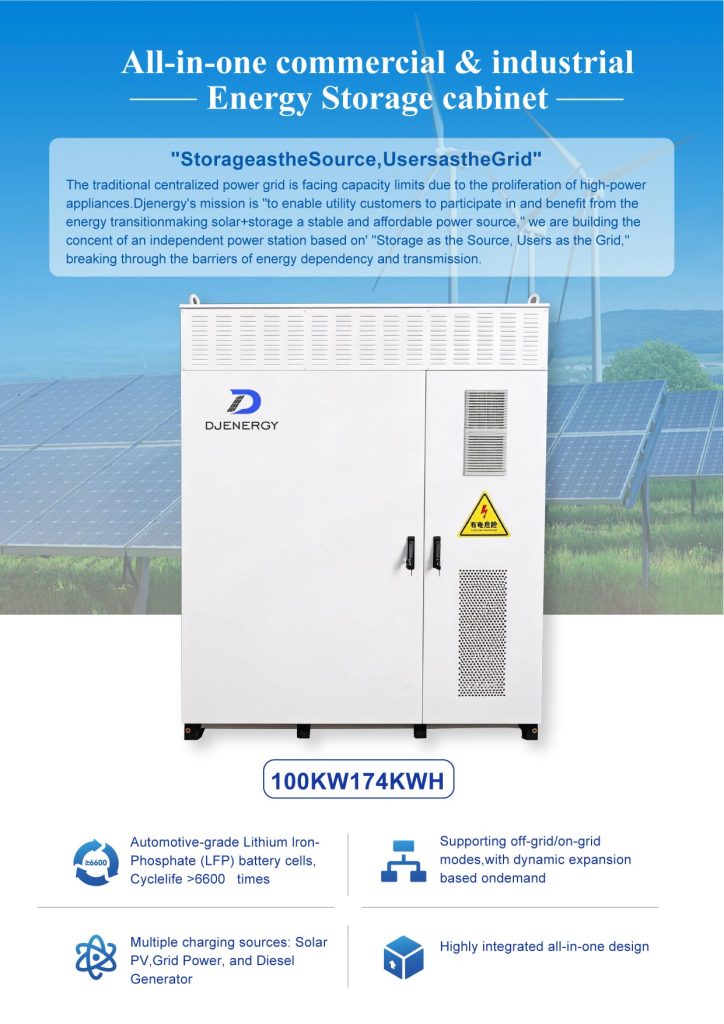
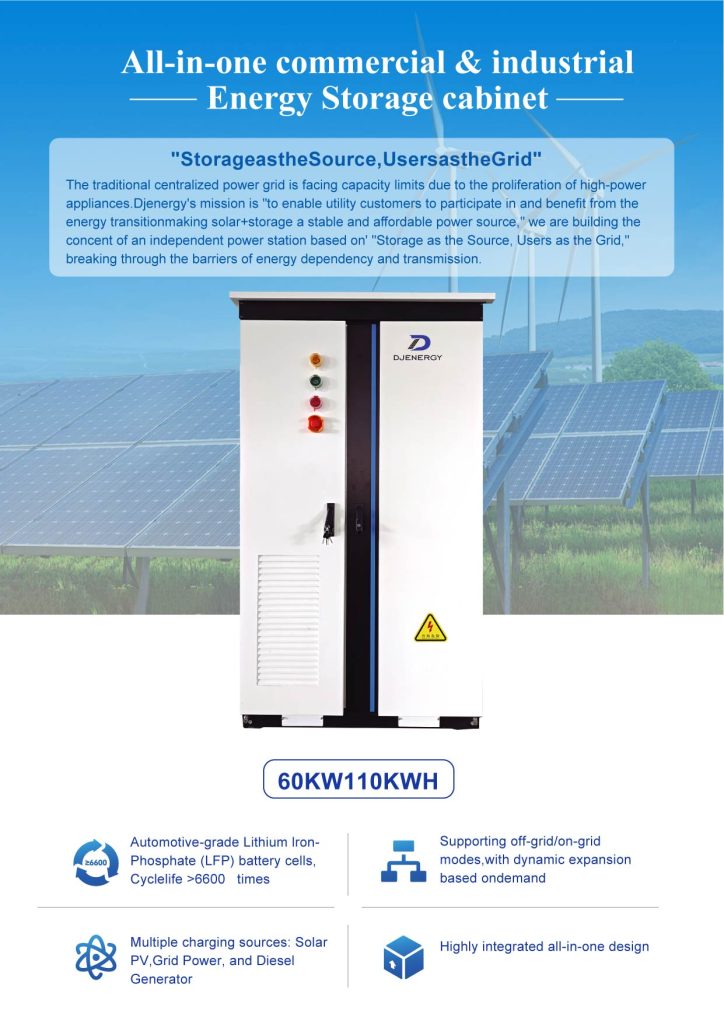
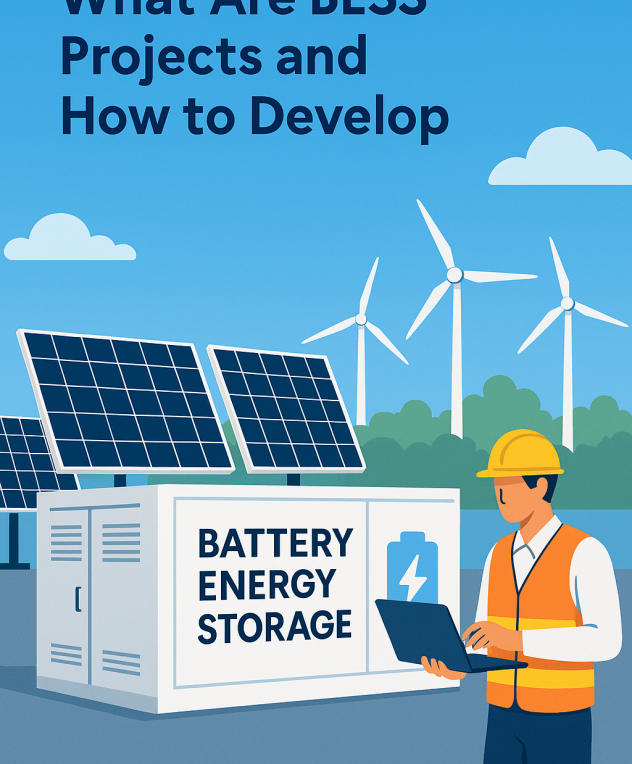
BESS stands for Battery Energy Storage System. It’s exactly what it sounds like: a system that stores energy in batteries for later use. Think of it like a giant power bank, but instead of charging your phone, it’s helping power homes, businesses, and even whole cities.

Key Components of BESS

  • Battery Modules: The actual storage units where energy is held.
  • Battery Management System (BMS): Software and hardware that monitor and manage the batteries.
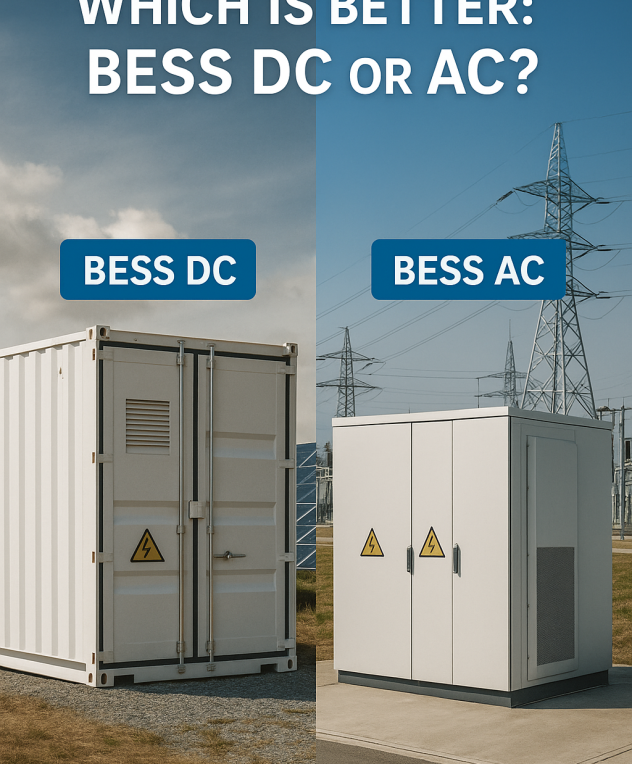
  • Inverters: Devices that convert the battery’s stored DC (direct current) power into AC (alternating current) that homes and businesses can use.
  • Cooling Systems: Keep the batteries at a safe operating temperature.
  • Safety Systems: Protect against overcharging, overheating, and short-circuits.
  • Energy Management System (EMS): Coordinates energy flow, optimizing when to charge, discharge, and balance the load.

Main Qualities of a Good BESS

  1. High Energy Density

Energy density refers to how much energy a battery can store relative to its size or weight. A good BESS needs to pack a lot of power into a small footprint. Lithium-ion batteries, for example, offer high energy density, making them popular for grid storage. Emerging technologies like solid-state batteries promise even higher densities, which will open new possibilities for compact and powerful storage.

  1. Long Cycle Life

Cycle life is the number of times a battery can be charged and discharged before it starts to degrade. High-quality BESS solutions are designed to last thousands of cycles, ensuring years of reliable service. Innovations in battery chemistries, such as lithium iron phosphate (LiFePO4), are enhancing longevity and making BESS even more attractive for long-term investments.

  1. Fast Response Time

One major advantage of battery storage is speed. A well-designed BESS can switch from charging to discharging in milliseconds. This quick response is crucial for balancing the grid, preventing outages, and stabilizing voltage and frequency. Fast response times also allow BESS to participate in frequency regulation markets, providing additional revenue streams.

  1. Grid-Scale Battery Storage

Grid-scale battery storage, powered by Lithium-ion Battery Energy Storage System BESS, is revolutionizing energy management by providing a high-efficiency solution for balancing electricity supply and demand. Lithium-ion BESS store surplus energy from renewable sources like solar and wind during low-demand periods, releasing it during peak usage or when renewables are unavailable, ensuring grid stability and reducing reliance on fossil fuel-based power plants. Known for their high energy density, fast response times, and scalability, Lithium-ion BESS integrate seamlessly with advanced energy management systems to optimize performance, enhance grid resilience, and support the transition to a sustainable, decarbonized energy future.

  1. Safety and Reliability

Safety is non-negotiable. Good BESS solutions have built-in protections against overheating, overcharging, and other risks. Fire suppression systems, ventilation, and regular maintenance protocols add extra layers of security. Safety certifications such as UL 9540A and NFPA 855 ensure that systems meet rigorous standards.

  1. Efficiency

Round-trip efficiency measures how much energy is lost when storing and retrieving power. High-quality BESS systems boast efficiencies above 85-90%, meaning minimal waste and maximum return on investment. Efficiency varies slightly depending on battery chemistry, operating conditions, and system design.

  1. Sustainable Energy Storage

With a focus on green energy, sustainability matters. This means using recyclable materials, ensuring safe disposal, and minimizing the environmental impact of production and operation. Companies are investing heavily in developing closed-loop recycling processes to recover valuable materials like lithium, nickel, and cobalt.

Additional Qualities to Consider

  1. Flexibility in Deployment

BESS can be installed virtually anywhere — from rural microgrids to urban rooftop systems. Their compact size and adaptability make them ideal for a wide range of applications, including off-grid setups, commercial facilities, and even mobile units.

  1. Intelligent Software Integration

Smart software enhances the performance of BESS by forecasting energy demand, optimizing storage cycles, and integrating with renewable energy assets like solar panels and wind turbines. Machine learning algorithms are now helping predict maintenance needs before failures occur, improving uptime.

  1. Smart grid solutions

Smart grid solutions revolutionize energy management by integrating advanced technologies to enhance the efficiency, reliability, and sustainability of electricity distribution. These systems leverage real-time data analytics, IoT-enabled devices, and automated control mechanisms to optimize power flow, reduce outages, and integrate renewable energy sources seamlessly. By enabling two-way communication between utilities and consumers, smart grids empower users to monitor and manage their energy consumption, fostering cost savings and environmental benefits. Additionally, their robust cybersecurity measures ensure the protection of critical infrastructure, making smart grids a cornerstone of modern energy ecosystems.


2.Why BESS is Essential for the Energy Transition

  1. Integrating Renewable Energy

Solar and wind are powerful but inconsistent. The sun doesn’t always shine, and the wind doesn’t always blow. BESS fills the gap by storing surplus energy for times when production dips. This integration enables renewables to become more dependable sources of baseload power.

  1. Reducing Grid Stress

Peak demand periods put enormous strain on the power grid. BESS can discharge during these peaks, easing the burden and preventing blackouts. Demand response programs are leveraging BESS to smooth consumption patterns and lower operational costs.

  1. Battery Storage for Renewable Energy

Battery storage is a cornerstone of the energy transition, enabling the widespread adoption of renewable energy sources like solar and wind by addressing their intermittency. Grid-scale Battery Energy Storage System BESS, often utilizing high-efficiency lithium-ion technology, capture excess renewable energy during periods of high generation and release it during peak demand or low production, ensuring a stable and reliable power supply. This capability reduces dependence on fossil fuels, enhances grid resilience, and supports decarbonization goals. By facilitating the seamless integration of renewables, battery storage accelerates the shift toward a sustainable, low-carbon energy future, driving the global energy transition forward.

  1. Supporting Electric Vehicles (EVs)

As EV adoption grows, so does the need for flexible, fast-charging infrastructure. BESS can support EV charging stations, balancing load and minimizing demand charges. Vehicle-to-grid (V2G) technology will further blend EVs with stationary BESS assets to create dynamic, distributed energy resources.

  1. Enhancing Grid Resilience

Natural disasters, cyberattacks, and equipment failures can knock out power. BESS provides backup energy, making the grid more resilient and communities more secure. Microgrids fortified with BESS can maintain critical services even when the main grid goes down.

Types of BESS Technology

  • Lithium-Ion Batteries: The current market leader. High energy density, long life, but relatively expensive.
  • Flow Batteries: Store energy in liquid electrolytes. Excellent for large-scale, long-duration storage.
  • Lead-Acid Batteries: Older tech, cheaper, but heavier and shorter-lived.
  • Solid-State Batteries: Emerging technology promising even higher energy density and safety.
  • Thermal Storage: Stores energy in the form of heat. Useful in specific industrial applications.
  • Sodium-Ion Batteries: A promising alternative with abundant raw materials and growing performance metrics.

Challenges Facing BESS

  • Cost: Batteries, especially lithium-ion, are expensive. Prices are dropping, but initial investments are still high.
  • Material Supply: Lithium, cobalt, and other essential materials are finite and often mined in ways that raise ethical concerns.
  • Recycling and Disposal: End-of-life management remains a challenge, though recycling technologies are improving.
  • Regulatory Hurdles: Codes, standards, and policies often lag behind technological advances, complicating deployment.
  • Public Perception: Safety incidents have highlighted the need for better communication and education around BESS.

The Future of BESS

Innovation is moving fast. Expect to see:

  • Cheaper and more sustainable battery chemistries.
  • Smarter energy management software.
  • Larger, longer-lasting storage projects.
  • Increased integration with AI and predictive analytics.
  • Policy reforms encouraging greater adoption.
  • Collaborative community storage projects making energy more accessible.

Governments worldwide are investing heavily in energy storage, recognizing it as key to reaching carbon neutrality goals. As technologies mature and costs drop, BESS will only become more central to our everyday energy use.

BESS is Here to Stay

Battery Energy Storage System BESS are more than just big batteries. They are crucial to building a cleaner, more resilient, and more flexible energy future. High energy density, long cycle life, fast response, and scalability are just some of the qualities that make modern BESS essential. Intelligent software, recyclability, and integration with renewables will define the next generation of systems. As the energy landscape continues to evolve, expect BESS to play an even bigger role in powering the world.

What is a Battery Energy Storage System (BESS)?

A Battery Energy Storage System (BESS) is a setup that stores electrical energy using battery technologies—usually lithium-ion, but also others like flow batteries or lead-acid systems. These systems are designed to charge (store energy) when electricity is plentiful or cheap and discharge (release energy) when demand spikes or supply drops. BESS plays a critical role in modern power systems by providing flexibility, reliability, and efficiency. It can be scaled from small residential setups to large utility-scale installations that support entire sections of the electric grid.

How does a BESS work?

A BESS charges by drawing electricity from the grid or directly from renewable sources like solar panels or wind turbines. This energy is stored in chemical form within the batteries. When the system detects a need—such as high demand, a drop in generation, or a power outage—it discharges the stored energy back into the grid or facility it serves. This process is managed by a control system that ensures safe charging/discharging, monitors battery health, and optimizes energy use. The ability to respond instantly makes BESS particularly valuable for balancing sudden fluctuations in power supply or deman

What are the main components of a BESS?

A fully functioning BESS includes several key components:

  • Battery Cells: The core storage units, typically lithium-ion for their high energy density and efficiency.
  • Battery Management System (BMS): This monitors and manages battery conditions—temperature, voltage, state of charge—to ensure safety and optimal performance.
  • Inverters/Converters: These convert DC electricity from the batteries into AC electricity for use on the grid, and vice versa.
  • Thermal Management System: Batteries need to operate within specific temperature ranges; this system regulates heating and cooling.
  • Energy Management System (EMS): Software that oversees the entire operation, determines when to charge/discharge, and communicates with the broader power system or grid.

What are the benefits of using a BESS?

BESS brings several significant advantages to both utilities and private users:

  • Peak Shaving: Reduces high energy costs by discharging during peak demand times.

  • Grid Support: Provides fast frequency and voltage response, helping to stabilize the grid.

  • Backup Power: Offers a reliable power source during outages or emergencies.

  • Renewable Integration: Smooths out variability from solar and wind, making clean energy more practical and reliable.

  • Deferred Infrastructure Upgrades: Reduces strain on transmission and distribution systems, potentially delaying the need for costly upgrades.

Is BESS only used for renewable energy systems?

No, BESS is a versatile solution used in various applications beyond renewables. While it's true that pairing BESS with solar or wind is common—since those sources are intermittent—it’s also used in traditional energy systems to improve reliability, optimize operations, and cut costs. Industrial facilities use BESS to avoid peak charges, data centers use it for uninterrupted power supply (UPS), and utilities deploy it to regulate the grid and manage load. Even in areas without renewable energy, BESS can offer economic and operational benefits.

1 Comment

  • It’s so true that storage is the missing piece in the clean energy puzzle. BESS offers a real solution to balancing supply and demand, especially when renewable sources like solar and wind aren’t producing.

Comments are closed.