Why Is High Voltage Used for the Electricity Grid

Why Is High Voltage Used for the Electricity Grid?

Powering the World with High Voltage

From lighting our homes to powering factories, the modern world runs on electricity. But have you ever wondered why the electricity grid transmits power at such high voltages? This article explores the reasons behind high voltage transmission, its benefits, and how technologies like high voltage batteries, HV battery systems, and LiFePO4 lithium batteries contribute to grid performance, especially in the age of renewable energy and solar power grids.

High voltage lifepo4 lithium battery

The electricity grid is a complex network of power stations, transformers, transmission lines, and substations that deliver electricity from generation points to end-users. Often called the electric power grid, this infrastructure connects homes, businesses, and industries to a consistent power supply. Together, they form the foundation of what we now call the energy grid — the system that distributes and balances power flow to meet national and regional electricity demands.

A core principle of efficient energy transmission is operating at high voltage. But why?

Why High Voltage? The Science Behind It

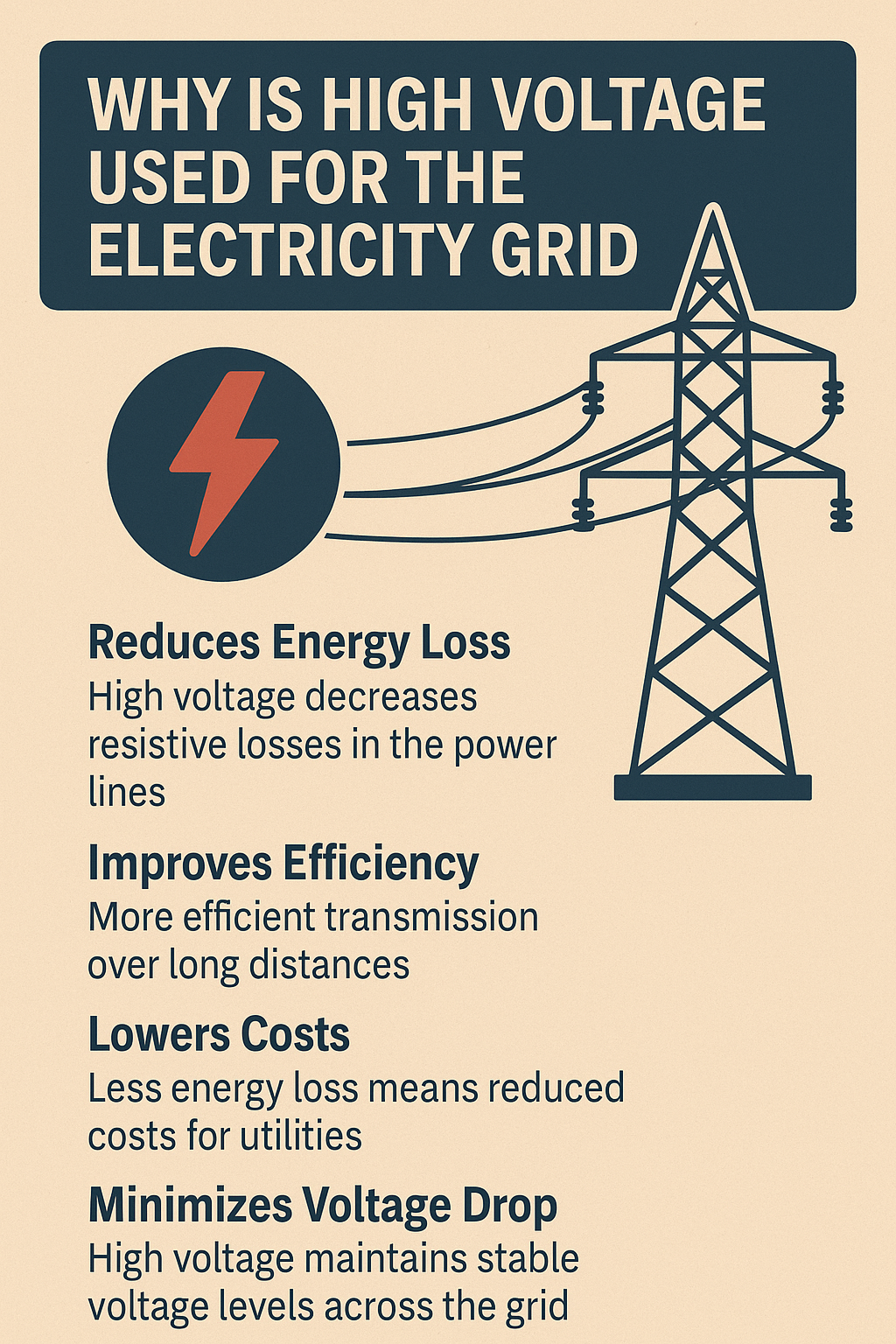
 Reduced Power Loss

One of the main reasons for high voltage electric transmission is to reduce power loss. When electricity travels through wires, it encounters resistance, which generates heat. This causes energy loss. According to Joule’s Law, power loss is proportional to the square of the current:

Power Loss (P) = I² × R

By increasing voltage and reducing current, the grid significantly minimizes energy losses, which is essential for the efficiency of the energy grid.

Smaller Conductors = Lower Cost

Transmitting electricity at high voltages allows the use of thinner and lighter conductors. This reduces the cost of building and maintaining transmission infrastructure. It also lowers the materials required, making the grid more sustainable and scalable.

 Improved Efficiency for Long Distances

High voltage transmission is essential for transporting electricity over long distances. Without high voltage, massive energy losses would occur between power plants and cities. Thanks to this method, energy generated at distant locations — like hydro dams or solar power grids in deserts — can still reach urban centers efficiently.

How High Voltage Fits Into Renewable Energy

Solar Power Grid Integration

As solar power grid installations grow worldwide, high-voltage systems are increasingly necessary to integrate and stabilize variable energy sources. Large-scale solar farms use high voltage electric infrastructure to transmit power to the grid with minimal losses.

 HV Battery and LiFePO4 Technology

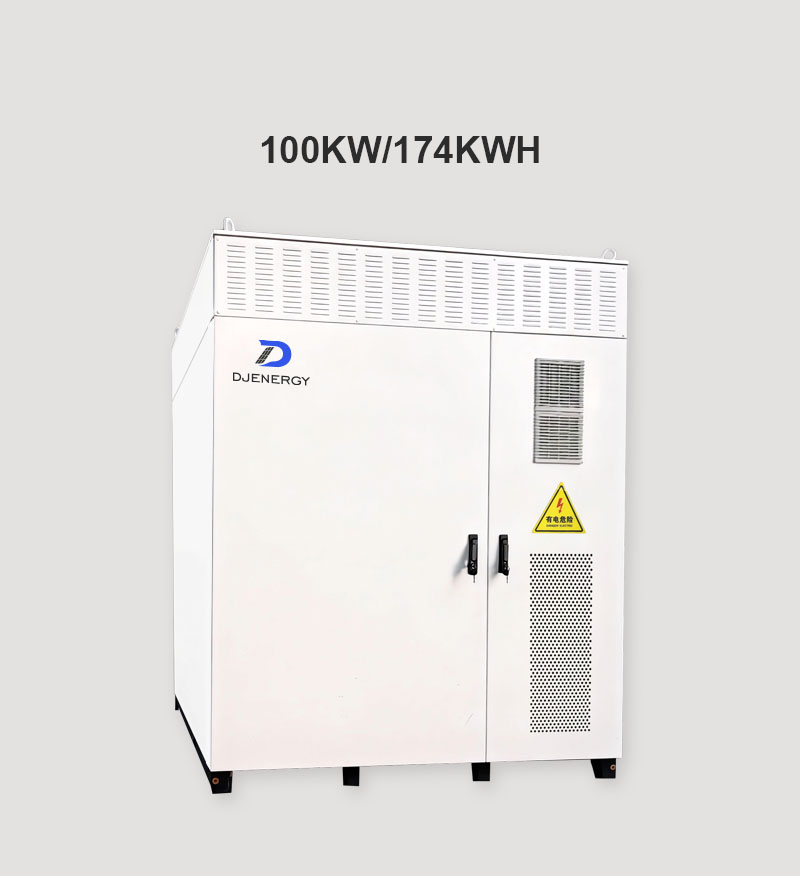
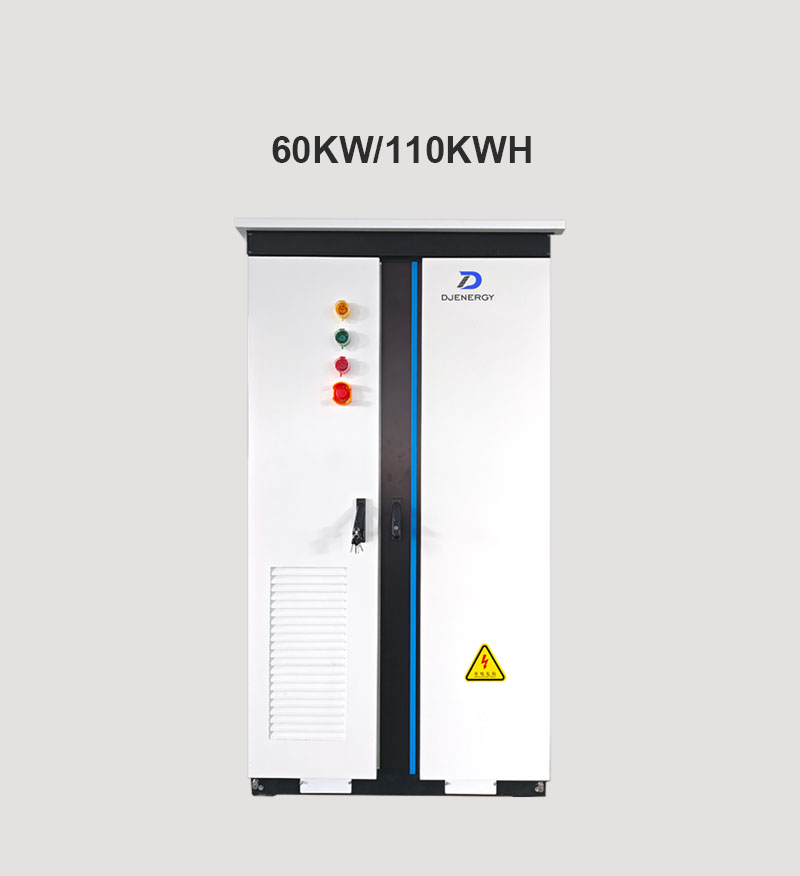
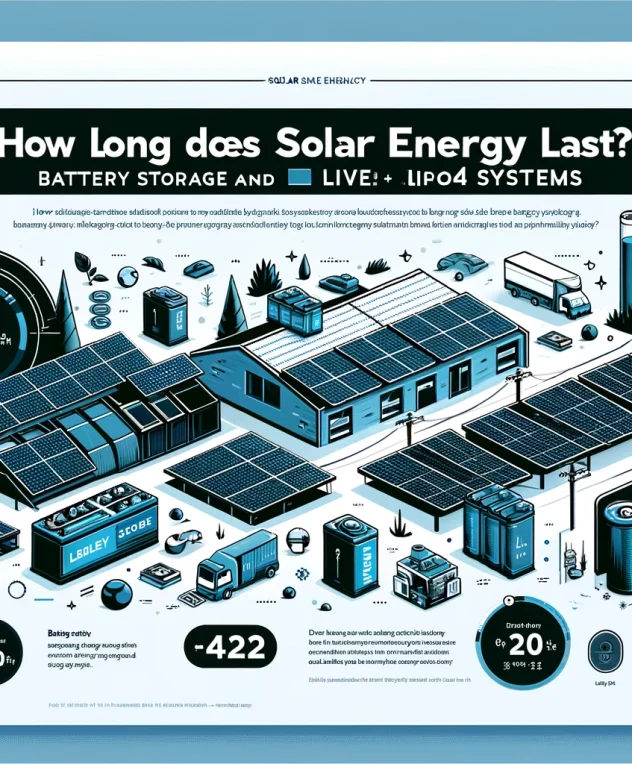
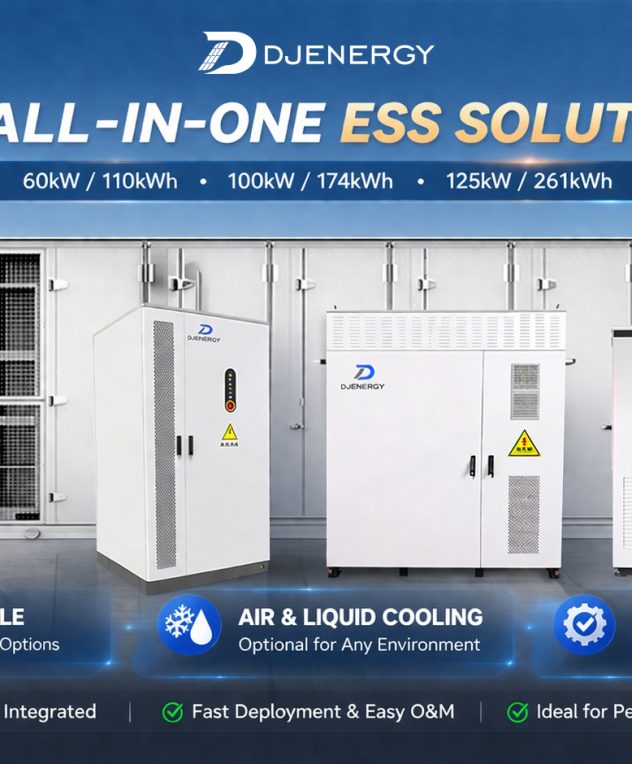
HV batteries and high voltage battery systems store energy efficiently and discharge at voltages compatible with grid-level requirements. Technologies like LiFePO4 lithium battery cells offer safety, long life cycles, and scalability, making them ideal for energy storage at grid level or within a stand alone power system.

Stand Alone Power System (SAPS)

In remote locations or off-grid applications, a stand alone power system combines renewable energy (like solar), high voltage battery storage, and inverters to deliver stable power. These systems also benefit from high voltage electric configurations, reducing transmission losses within the local network.

Applications of High Voltage in the Power Grid

Electric Power Grid Design

The modern electric power grid uses layered voltage levels: high voltage for transmission, medium voltage for regional distribution, and low voltage for residential use. Each level is managed by substations and transformers that step voltages up or down depending on the purpose.

 High Voltage Battery Storage

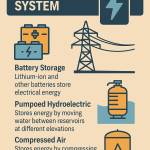
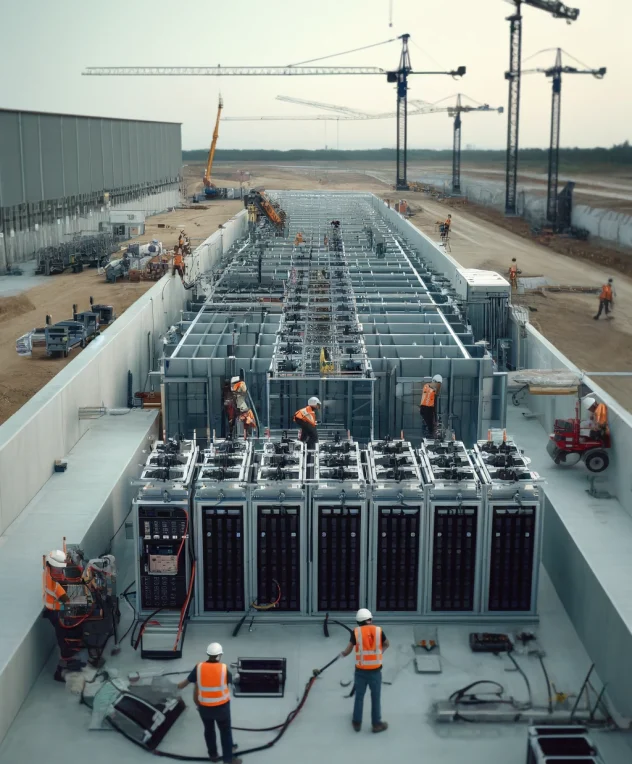
Grid-scale energy storage projects use high voltage batteries to balance supply and demand, manage peak loads, and provide backup during outages. These systems improve grid stability and enhance integration with intermittent sources like solar and wind.

Enhancing Grid Resilience

During extreme weather or emergencies, high-voltage infrastructure enables faster rerouting of electricity, improving resilience. It also supports advanced systems like microgrids and digital automation across the energy grid.


Power Grid Maintenance and Safety

 Importance of Maintenance

Power grid maintenance is essential to ensure reliability and safety. High voltage components require regular inspection, cleaning, and testing to prevent failures that can lead to blackouts or fires.

Safety Protocols for High Voltage Systems

High-voltage systems involve serious risks, requiring trained personnel and specialized equipment. Strict safety standards and automated monitoring systems help reduce human error and detect faults early.

 Role of Smart Monitoring Tools

Advanced sensors and IoT technologies are being deployed across the electricity grid to provide real-time data for predictive maintenance. This reduces downtime and extends the lifespan of infrastructure.

Benefits of High Voltage in the Electricity Grid

Key Advantages for Modern Energy Systems

  • Lower transmission losses: By reducing current, high voltage minimizes energy waste across long distances.
  • Improved cost-efficiency: Smaller conductors and fewer losses lead to lower infrastructure and operational costs.
  • Scalability and future-proofing: High voltage enables larger, more distributed energy grid designs.
  • Renewable energy integration: High-voltage systems are compatible with solar and wind farms, enhancing clean energy penetration.
  • Energy storage compatibility: Works efficiently with HV batteries and LiFePO4 lithium battery systems for grid balancing.
  • Faster power restoration: Supports rapid rerouting and recovery in case of faults or blackouts.
  • Decentralized power solutions: Facilitates modern architectures like stand alone power systems and microgrids.
High Voltage

FAQs About High Voltage and the Grid

Why use high voltage? To send electricity long distances efficiently with less energy loss. Transformers step voltage way up for transmission lines (carried on tall towers) and then down at substations for safe local distribution. High voltage is extremely dangerous; always keep a safe distance from lines and equipment.  

Why is high voltage preferred in transmission systems?

High voltage is preferred because it dramatically reduces energy losses during transmission. By increasing voltage and lowering current, the electricity grid can deliver power over long distances more efficiently, minimizing waste and making the energy grid more sustainable.

What is the role of a high voltage battery in grid storage?

A high voltage battery plays a critical role by storing large amounts of electricity at grid-compatible voltage levels. During times of peak demand or renewable energy fluctuations, HV batteries help maintain stability and ensure the electric power grid remains balanced and reliable.

Are LiFePO4 batteries safe for high voltage applications?

Yes, LiFePO4 lithium battery technology is among the safest options for high-voltage applications. It offers excellent thermal stability, lower risk of fire, longer cycle life, and consistent performance, making it ideal for use in solar power grids and stand alone power systems.

How does a stand alone power system work?

A stand alone power system typically combines solar panels, an HV battery or high voltage battery, and an inverter. It generates, stores, and delivers electricity independently of the main electricity grid, making it ideal for remote locations or areas with unreliable grid access.

What challenges are associated with power grid maintenance?

Power grid maintenance faces challenges such as aging infrastructure, exposure to extreme weather, growing demand for power, and the complexity of maintaining high-voltage systems. Regular inspections, smart monitoring, and proactive upgrades are essential to keeping the energy grid safe and reliable.

Can high voltage systems support renewable energy growth?

Absolutely. High voltage systems are essential for connecting distant renewable energy sources, like large solar power grids and wind farms, to the electricity grid. They ensure that energy can be efficiently transmitted from remote generation sites to urban centers where demand is highest.

How does high voltage transmission impact energy costs?

By minimizing transmission losses and reducing the size and cost of conductors, high voltage transmission helps lower the overall cost of electricity delivery. It makes the energy grid more economical, especially for countries investing heavily in renewable energy and long-distance transmission projects.

What role do smart technologies play in high voltage electric systems?

Smart technologies such as IoT sensors, AI-driven analytics, and automated fault detection tools help monitor the electricity grid in real-time. They enhance power grid maintenance, improve fault response times, optimize energy flow, and extend the lifespan of high voltage electric infrastructure.

1 Comment

  • Great explanation of why high voltage is crucial for grid efficiency. It’s fascinating how increasing voltage reduces current, which in turn minimizes energy loss over long distances. I’d be interested to read more about how modern HV battery systems are adapting to support this kind of infrastructure.

Comments are closed.